
Last updated October 31, 2026
 Architectural shingles
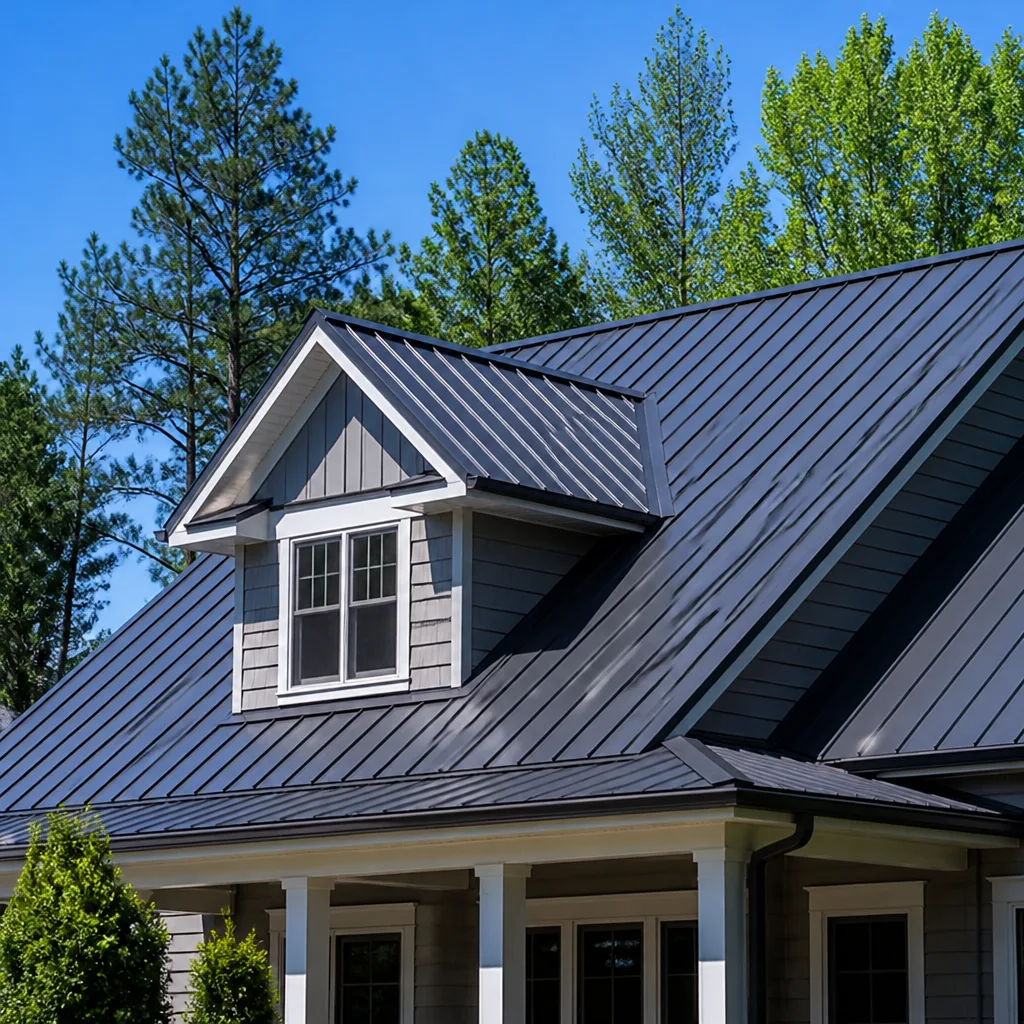 Metal roofing
 Tile roofing
 GAF
 Owens Corning
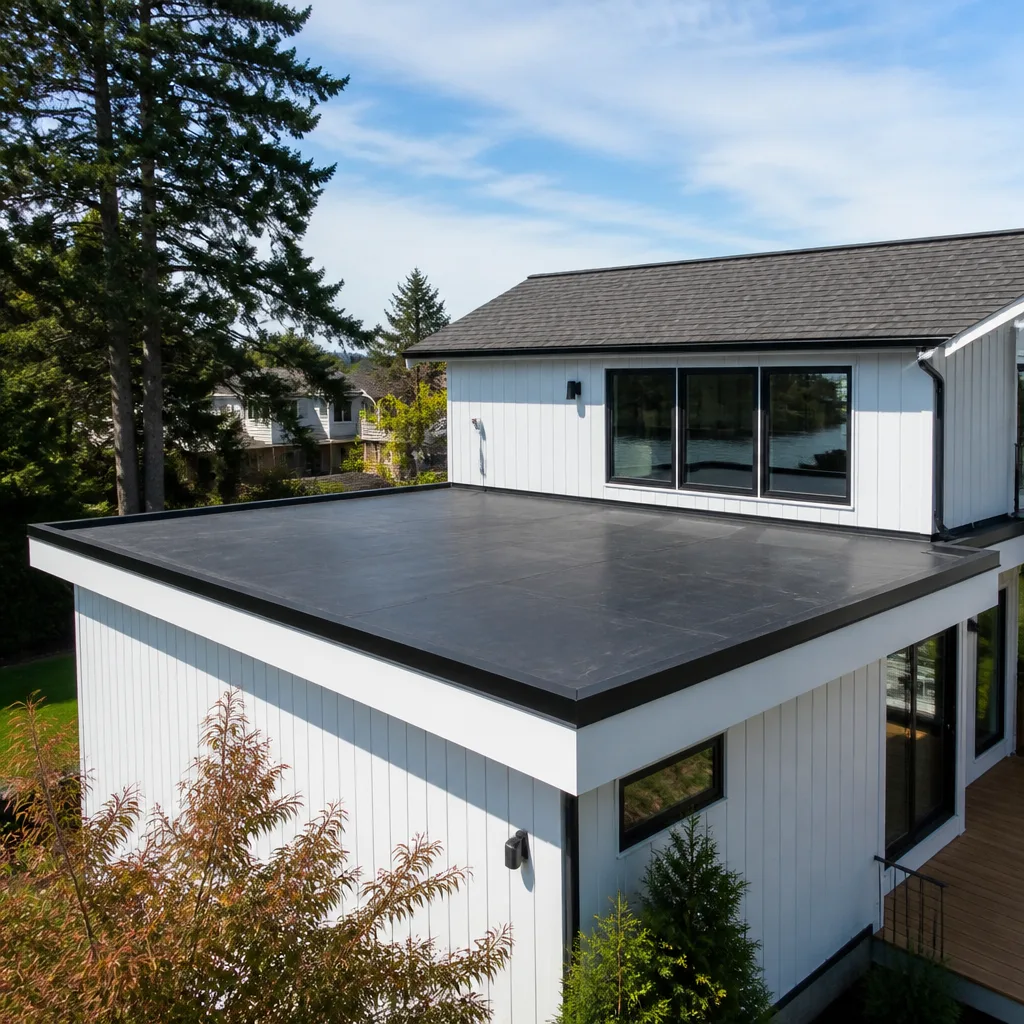 Flat & low-slope
Free roof inspection with deck photos before we talk money - GAF and Owens Corning certified installation
Roof Repair Troubleshooting: Common Problems and How to Fix Them
A water stain on your ceiling is almost never directly below the leak. Water travels along rafters, sheathing, and insulation before it finds a spot to drip, sometimes moving six feet or more from the actual entry point. That single fact explains why so many DIY roof repairs fail: homeowners patch the evidence instead of the cause. This guide is built around cause-and-effect pairs so you can locate the true failure point on your roof, whether you live in Rancho Cucamonga or anywhere with a pitched residential roof.
Styles & brands we work with
Quick Answer
Roof repair troubleshooting means matching what you see inside your home (stains, drips, damp insulation) with what’s actually failing outside (flashing, shingles, sealant, or vent boots). Most roof problems trace back to a handful of specific failure points: flashing around penetrations, worn shingle sealant, or compromised vent boots. Start indoors, map the symptom to the exterior system, then decide whether it’s a monitoring situation or a time to call for Roof Repair services.
Table of Contents
- Interior-to-Exterior Symptom Mapping
- The Three Flashing Failures Behind Most Mystery Leaks
- Granule Loss: Normal Aging or Accelerated Degradation?
- Common Misdiagnoses Contractors Make (and What to Question)
- Shingle Problems: Curling, Cracking, and Blow-Offs
- Ventilation and Attic Moisture Problems
- How Rancho Cucamonga’s Climate Affects Roof Failures
- Common Mistakes to Avoid
- When to Call a Professional
- Frequently Asked Questions
- The Bottom Line
Interior-to-Exterior Symptom Mapping
Here’s the core idea most guides skip: every interior symptom has a corresponding exterior cause, and the pairing matters more than the symptom alone. A brown stain near a wall means something different than a stain in the middle of a ceiling. Sagging drywall means something different than peeling paint. Understanding these pairs is what separates a diagnostic from a guess.
In our experience working on homes across Rancho Cucamonga, we start every diagnosis inside. The attic, if accessible, tells us more in ten minutes than an hour on the roof. Water follows predictable paths, and once you know the paths, the leak source narrows quickly.
Symptom-and-Cause Pairs
- Ceiling stain near an exterior wall: Usually points to step flashing or sidewall flashing failure where the roof meets a vertical wall. Water runs down the wall, hits a failed flashing seam, and travels along the top plate before dripping at the wall-ceiling junction.
- Stain in the center of a ceiling, away from all walls: Most often points to a field shingle failure, a nail pop, or a vent penetration in that general rafter bay. Check for bathroom exhaust vents or plumbing vents in the attic above that spot.
- Damp insulation in the attic with no visible roof hole: Condensation from poor ventilation. The roof deck isn’t leaking; it’s sweating. This is common in Rancho Cucamonga during shoulder seasons when nights are cool and days are warm.
- Water stains around a skylight or chimney: The flashing is the prime suspect, not the skylight or chimney itself. Flashing failures account for the majority of leak calls around penetrations.
- Dripping sounds during rain but no visible stain yet: Water is pooling in insulation or running along a rafter before finding a drip point. The exterior entry point may be far from where you hear the drip.
- Peeling paint or water stains on exterior walls under roof overhangs: Gutter overflow or missing drip edge. Water backs up, wicks under the shingle edge, and runs down the fascia.
The takeaway: don’t assume the stain location is the leak location. Map the interior evidence to the nearest rafter bay, then inspect that bay’s exterior counterpart. If you’re not comfortable climbing into your attic with a flashlight, a professional Roof Inspection in Rancho Cucamonga gives you a documented starting point before you commit to any repair scope.
The Three Flashing Failures Behind Most Mystery Leaks
Flashing is the metal or synthetic material that seals the joints where your roof meets something else: a wall, a chimney, a vent pipe, a skylight. When flashing fails, water gets in. And flashing failures are sneaky because they often occur without any visible shingle damage.
Here are the three flashing failures we see most often, and how to distinguish one from another without climbing onto the roof.
1. Step Flashing Failure (Where Roof Meets Wall)
Step flashing is a series of L-shaped metal pieces that interlock with each course of shingles along a sidewall. Over time, the metal can rust, pull away from the wall, or get pried loose by wind. The telltale interior sign is a stair-step pattern of small water stains running down the wall or along the ceiling near that wall.
What homeowners often mistake this for: a leaky wall seam or a window problem. What’s actually happening: water is entering at each failed step-flashing joint and following the wall down in a staggered pattern.
2. Chimney or Skylight Flashing Failure
Chimney flashing uses two components: base flashing (against the roof) and counterflashing (embedded in the chimney mortar or skylight frame). When the sealant between them degrades or the counterflashing pulls away, water enters the gap. The interior sign is a stain that appears after heavy or wind-driven rain, often starting high on a wall or ceiling and spreading downward.
What homeowners often mistake this for: a leaky chimney flue or a failed skylight seal. What’s actually happening: the flashing joint has failed, not the structure itself. Replacing a skylight when the flashing is the problem is an expensive misdiagnosis. From our Rancho Cucamonga repair files, chimney flashing failures are more common in older homes built before modern flashing standards, especially in established neighborhoods with original masonry.
3. Pipe Boot and Vent Flashing Failure
Plumbing vent pipes and exhaust vents penetrate the roof through rubber or neoprene boots. These boots dry out, crack, and split within 10-15 years under UV exposure. The interior sign is a small, isolated stain, usually directly below a vent pipe but sometimes offset along a rafter.
What homeowners often mistake this for: a field shingle leak. What’s actually happening: the rubber boot has a hairline crack that opens when it’s warm and closes when it’s cold, making the leak intermittent and hard to pin down.
All three flashing failures share a common thread: they rarely announce themselves from the ground. You need an attic inspection to trace the water path, then a roof inspection to confirm the specific failing joint. That’s exactly the process Suncrest Roof Repair follows: inspect first, then repair only what’s needed. We explain what we find before we touch a thing.
Granule Loss: Normal Aging or Accelerated Degradation?
Finding granules in your gutters after a rainstorm is normal to a point. Asphalt shingles shed granules throughout their life, more heavily in the first year and then gradually over time. But how do you tell the difference between normal granule loss and the kind that signals your roof is degrading faster than it should?
Here’s the diagnostic framework we use in Rancho Cucamonga:
Normal Granule Loss
- You find a tablespoon or two of granules in gutters after heavy rain.
- The shingle surface still looks uniformly coated, with no visible bare spots.
- Granules are mixed colors, matching the shingle’s original blend.
- The roof is within its expected age range (15-20 years for standard architectural shingles in our climate).
Accelerated Granule Loss
- You find piles of granules, not sprinkles, in gutters and downspout splash blocks.
- Shingle surfaces show visible bald patches where the asphalt substrate shows through.
- Granules collect in valleys or at roof-deck seams in the yard.
- The roof is under 10 years old and already showing bare spots.
What Causes Accelerated Granule Loss?
Accelerated loss usually means one of three things: the shingles were defective from the manufacturer, the roof was installed incorrectly, or the roof is exposed to more UV and heat than the shingle’s rating assumes. In Rancho Cucamonga, we see the third cause frequently. Our summers routinely push 100 degrees, and roof surface temperatures can run 50 to 70 degrees hotter than the air temperature. That sustained heat bakes the asphalt, making granules release faster than they would in a cooler climate.
If you’re seeing accelerated granule loss, don’t replace the roof based on gutter debris alone. Get a professional inspection that includes roof-surface photos and an honest assessment of whether the degradation is uniform or concentrated. Specific manufacturers like GAF and CertainTeed have published technical guidelines on granule adhesion, and a crew that works with multiple brands can tell you whether what you’re seeing is normal for your shingle’s spec or a sign of premature wear. After all, seven leading brands means one honest recommendation, and that recommendation might be “monitor this” rather than “replace now.”
Common Misdiagnoses Contractors Make (and What to Question)
Contractors are human, and roofing diagnosis involves some educated guesswork. But certain misdiagnoses are common enough that homeowners should know to question them. Here are the three we see most frequently, and the questions to ask when you hear them.
Misdiagnosis 1: “Your skylight is leaking – we need to replace the skylight.”
Skylights themselves rarely leak. The frame-to-roof connection is where water enters, and that’s a flashing repair, not a skylight replacement. A new skylight might be the right call if the frame is rusted or the glass seal has failed, but a water stain around a skylight is flashing evidence until proven otherwise.
Question to ask: “Can you show me the specific point where the skylight frame has failed, as opposed to the flashing around it?”
Misdiagnosis 2: “Your plumbing boot is leaking – we’ll replace the boot.”
Sometimes the boot is fine, and the actual leak is in the field shingles around the penetration. The nails holding the boot’s base flange may have backed out, or the shingles around the boot may be lifting. Replacing the boot without addressing the surrounding shingles just moves the leak.
Question to ask: “Can you remove the boot and show me the condition of the shingles underneath before we commit?”
Misdiagnosis 3: “Your ridge vent is leaking – we’ll seal the ridge.”
Ridge vent leaks are real, but they’re often misattributed. What looks like a ridge vent leak may actually be a soffit vent issue elsewhere: if soffit intake vents are blocked, the attic draws air from wherever it can, including through the ridge vent during rain. The leak isn’t at the ridge; the leak is that the attic is pressure-negative and pulling water in.
Question to ask: “Have you checked the soffit vents for blockage before attributing this to the ridge?”
A Roof Repair in Rancho Cucamonga that starts with an inspection rather than a prescription avoids all three of these misdiagnoses by default. Inspect first, then repair only what’s confirmed.
Shingle Problems: Curling, Cracking, and Blow-Offs
Shingle failures fall into predictable categories, and each category has a distinct cause. Knowing the cause tells you whether you’re dealing with an isolated repair or a systemic issue.
Curling Shingles
Curling happens when shingle edges lift and cup upward. The cause is almost always moisture imbalance: the top of the shingle dries and shrinks while the underside holds moisture, or the attic is too hot and the shingle’s asphalt binder dries unevenly. Curling is cosmetic at first, but curled shingles catch wind and eventually blow off.
Repair: Curled shingles can sometimes be re-sealed with adhesive if caught early. Widespread curling across the roof surface usually signals the shingle’s binder is failing, and replacement in that area may be the better call. In Rancho Cucamonga, we see curling accelerate on south-facing slopes that take direct afternoon sun. It’s one of the reasons we carry multiple shingle lines, including IKO and Tamko options with UV-stabilized formulations suited to hot climates.
Cracking Shingles
Cracking looks like splits or tears in individual shingles, often running vertically. It’s primarily a heat-and-age problem: the shingle’s fiberglass mat becomes brittle as the asphalt oils evaporate, and temperature swings cause the shingle to flex until it cracks.
Repair: Individual cracked shingles can be replaced. If cracks appear on many shingles across multiple slopes, the roof is nearing the end of its service life, and a replacement conversation makes sense. A Roof Replacement in Rancho Cucamonga doesn’t have to mean tearing into a surprise: it means you’ve already seen the writing on the shingles.
Blow-Offs
A blow-off is a shingle that has lifted entirely along its seal strip and flipped or flown off the roof. Blow-offs happen when the shingle’s sealant fails and wind gets under the exposed edge. Most commonly, this happens because the shingles were installed in cold weather and never fully sealed, or because the sealant has aged out.
Repair: A single blown-off shingle is a straightforward replacement. If you have repeated blow-offs in the same area, the issue is likely wind uplift on that slope or a batch of shingles with failed sealant. The right move is to have that slope inspected and consider re-sealing the entire area.
One note on material choice: when we do shingle replacements in Rancho Cucamonga, we recommend based on the home’s orientation, roof pitch, and the homeowner’s budget. That’s the advantage of working with seven brands, including Boral and GAF: your roof, your budget, your choice of material, not what’s sitting in the warehouse.
Ventilation and Attic Moisture Problems
Many “roof leaks” are actually ventilation failures. If your attic doesn’t breathe properly, warm moist air from your living space rises into the attic, condenses on the cool underside of the roof deck, and drips back down. The result looks identical to a roof leak but has a completely different cause.
Signs of a Ventilation Problem
- Damp insulation in multiple rafter bays, not just one isolated area.
- Condensation on the underside of the roof deck, especially on cool mornings.
- Rust on nails or fasteners visible in the attic.
- Interior ceiling stains that appear in winter or during cool rainy periods, not just during heavy rain.
- An attic that’s noticeably warmer than the outside air on a summer evening.
How to Fix It
- Check your soffit vents: make sure insulation hasn’t blocked them from inside the attic. This is the most common cause we find in Rancho Cucamonga homes, where blown-in insulation settles and covers the intake path.
- Confirm you have balanced intake and exhaust: you need roughly equal soffit intake area and ridge or gable exhaust area. A ridge vent without adequate soffit intake pulls air from the wrong places.
- Look for bathroom and kitchen exhaust fans that vent into the attic instead of through the roof. The fix is routing the vent through the roof deck with a proper vent cap. This is one of the few attic “plumbing” fixes that homeowners often miss entirely.
- If insulation has compressed or shifted, have it redistributed and top-dressed to restore the proper R-value against the ceiling plane.
Ventilation problems are tricky because they look like roofing problems. A professional inspection that includes both the roof surface and the attic is the fastest way to determine which one you’re actually dealing with.
How Rancho Cucamonga’s Climate Affects Roof Failures
Roofs in Rancho Cucamonga fail differently than roofs in coastal or humid climates. Understanding the local failure patterns—covered in our Roofing Emergency Preparedness Guide for Rancho Cucamonga Homes—helps you recognize what’s normal for this area and what isn’t.
Heat and UV Exposure
Our inland valley summers produce sustained high heat and intense UV radiation. Roof surface temperatures regularly exceed 150 degrees in July and August. This accelerates asphalt oxidation, which means shingles in Rancho Cucamonga lose granule adhesion and flexibility faster than the same shingle would in a coastal climate. Most standard architectural shingles in our area have a realistic service life of 15 to 20 years, not the 25 to 30 years you might see quoted in milder regions.
Santa Ana Winds
Santa Ana winds arrive every fall with gusts that can exceed 50 mph in the foothill neighborhoods of Rancho Cucamonga. These winds hit roofs from the northeast, which is a different direction than the prevailing coastal breeze. Shingles that sealed well against prevailing wind may lift when wind hits from the opposite angle. Blow-offs during Santa Ana events are common on slopes that face the canyons.
Rain Drought Cycling
We get intense rain in a short window, followed by long dry periods. The roof deck expands and contracts with moisture changes. Sealants and flashing joints flex repeatedly. Over years, this cycling loosens the sealant bonds that hold flashing in place. That’s why flashing failures are so common in Rancho Cucamonga even on roofs with perfectly good shingles.
What This Means for Homeowners
You should be tracking two things year-round: granule accumulation in gutters (especially after Santa Ana winds) and any interior stains that appear during the first heavy rain of a season. Both are early warning signals. The first storm of each rainy season is when most latent roof problems in Rancho Cucamonga announce themselves, because the roof is at its driest and most contracted, and the water finds every existing gap.
Common Mistakes to Avoid
- Treating the stain instead of the source. Painting over a water stain doesn’t fix the leak. The water is still entering, and the stain will return. Locate the exterior entry point first, repair it, then repaint.
- Applying roof sealant or caulk to shingles. Sealant is for flashing joints, vent boots, and nail heads. Applying it to shingle surfaces traps moisture, accelerates granule loss, and makes future repairs harder.
- Ignoring interior stains because “it hasn’t rained in months.” In Rancho Cucamonga, the roof goes through long dry periods. The leak is still there, waiting for the next rain. And water entry points don’t improve with age.
- Replacing the roof before confirming the leak’s cause. If the leak is a flashing failure or vent boot, replacing shingles won’t solve it. Diagnose first, then decide on scope. A Roof Inspection in Rancho Cucamonga is faster and cheaper than a premature replacement.
- Assuming one stain means one problem. Multiple leak sources commonly coexist. A flashing failure and a vent boot failure can produce overlapping interior symptoms. Fix one, and the other remains.
- Blocking soffit vents with insulation after adding attic insulation. More insulation is good until it chokes off your attic’s air intake. The consequence is condensation and rot, not energy savings.
- Postponing a visible shingle repair because “the roof is old anyway.” A small repair now prevents water damage to the deck and insulation underneath. Water damage multiplies repair cost far faster than the shingle replacement would have.
When to Call a Professional
Self-monitoring is appropriate when you’re tracking symptoms: checking gutters for granules, noting where interior stains appear, looking at the roof from the ground after wind events. But certain situations warrant a professional inspection and repair decision right away. If you see multiple stains in different rooms after a single rain, if water is dripping during rain (not just leaving stains), if you see daylight through the roof deck from inside the attic, or if you notice sagging drywall or a musty odor that suggests mold, stop monitoring and call a roofer.
Suncrest Roof Repair offers free estimates in Rancho Cucamonga, call (866) 538-0713. We inspect before we prescribe, explain what we find, and give you the honest answer on whether you need a targeted repair or a fuller conversation about replacement.
Frequently Asked Questions
Roof repair costs in Rancho Cucamonga typically range from $350 to $1,500 depending on the repair type. Flashing repairs and vent boot replacements fall on the lower end, while larger shingle replacement sections and deck repair run higher. The exact cost depends on what the inspection finds. Call (866) 538-0713 for a free estimate, and we’ll explain what we find before we touch a thing.
You can identify the likely source of a leak yourself using the symptom-to-cause mapping in this guide, but for more guides & resources on maintenance and prevention, explore our blog. Most repairs, however, require working at height with tools and materials that carry real fall risk and waterproofing complexity. For safety and for the integrity of the repair, we recommend calling a professional for anything beyond interior observation and gutter-level inspection.
Repair is appropriate when the failure is isolated to one or two specific points: a flashing joint, a vent boot, a few shingles. Replacement becomes the right conversation when failures are widespread, recurring, or the shingles show near-end-of-life granule loss across the entire slope. A professional inspection gives you the documentation to make that call.
Most repairs, including flashing replacement, vent boot swaps, and small shingle patches, are completed in a single visit. Larger repairs involving significant deck work or multiple slopes may take longer depending on scope. Your estimator should give you a timeframe before any work begins.
We work with seven major roofing brands: GAF, CertainTeed, Owens Corning, IKO, Atlas, Tamko, and Boral. This means our material recommendation is driven by your home’s needs and your budget, not by what’s sitting in a warehouse. Your roof, your budget, your choice of material.
Note the stain location, check your attic above that spot for dampness, and look for missing or lifted shingles on the windward slope. In Rancho Cucamonga, Santa Ana events blow shingles loose on northeast-facing slopes. Then call (866) 538-0713 for a professional assessment if the attic inspection confirms moisture or missing shingles.
The Bottom Line
Roof troubleshooting is a cause-and-effect discipline. The water stain on your ceiling is evidence, not the problem. The problem is somewhere upslope, and finding it requires matching what you see inside to what’s failing outside. Flashing failures account for most mystery leaks, granule loss tells you how fast your shingles are aging, and Rancho Cucamonga’s heat, wind, and rain cycling shape how quickly the roof degrades. Treat the cause, not the evidence. And when the cause isn’t obvious from inside, call a professional who inspects before prescribing. From the first inspection to the final shingle, that’s how the job gets done right.
Written by the team at Suncrest Roof Repair, serving Rancho Cucamonga since 2015.
See the difference
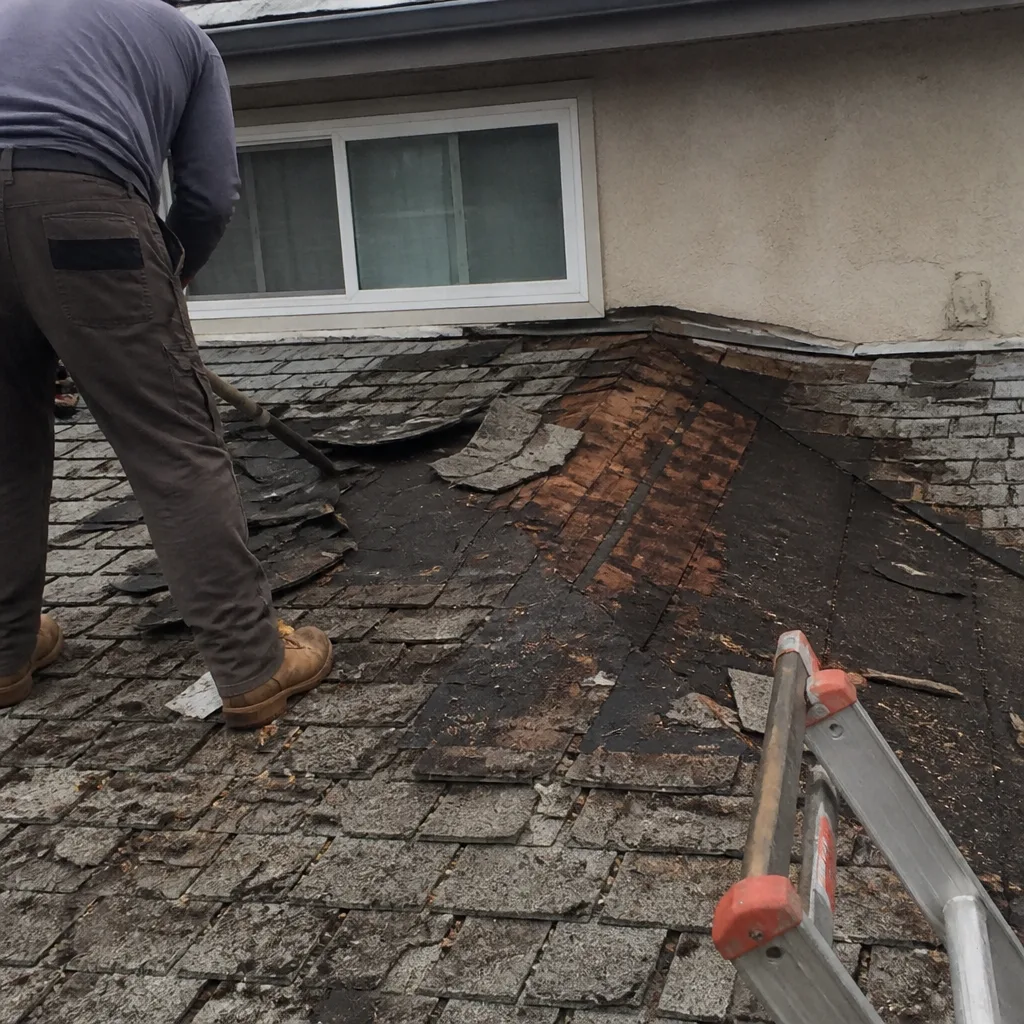 Before
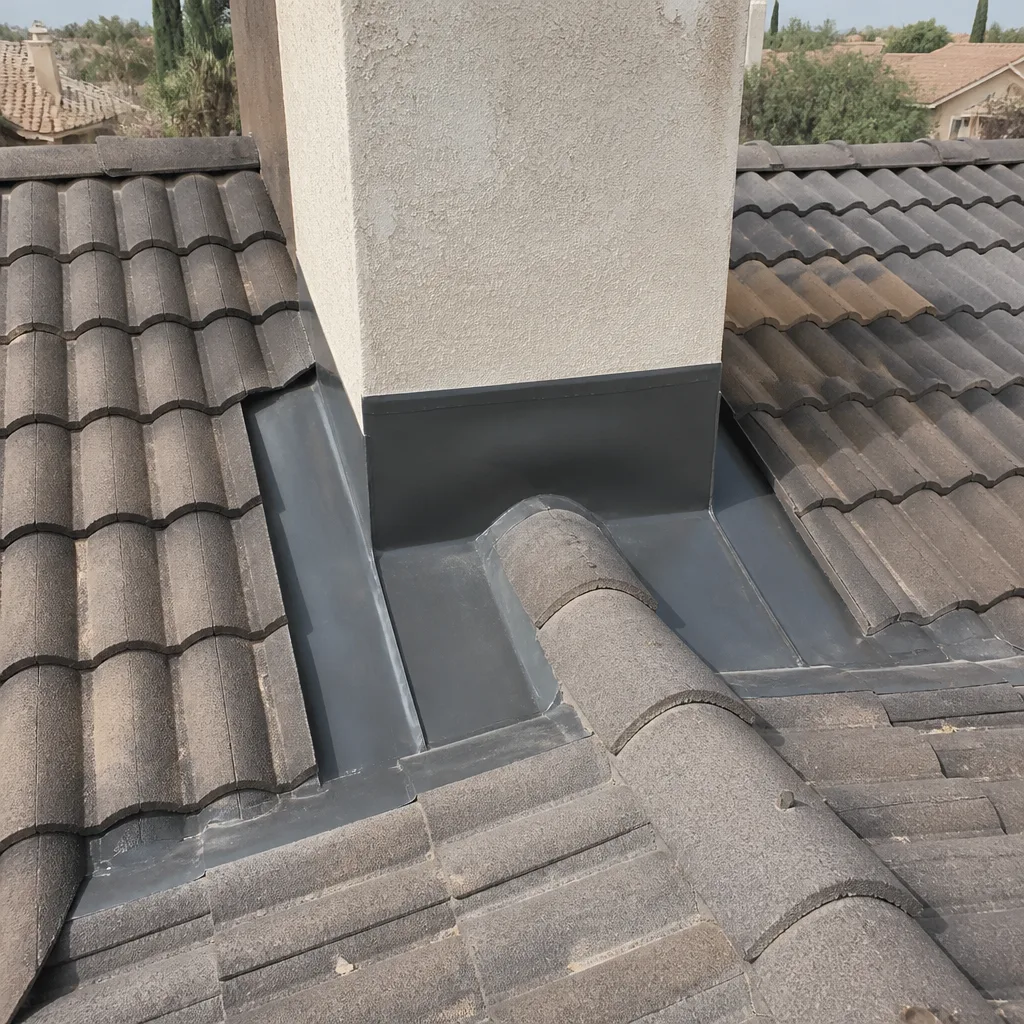 After
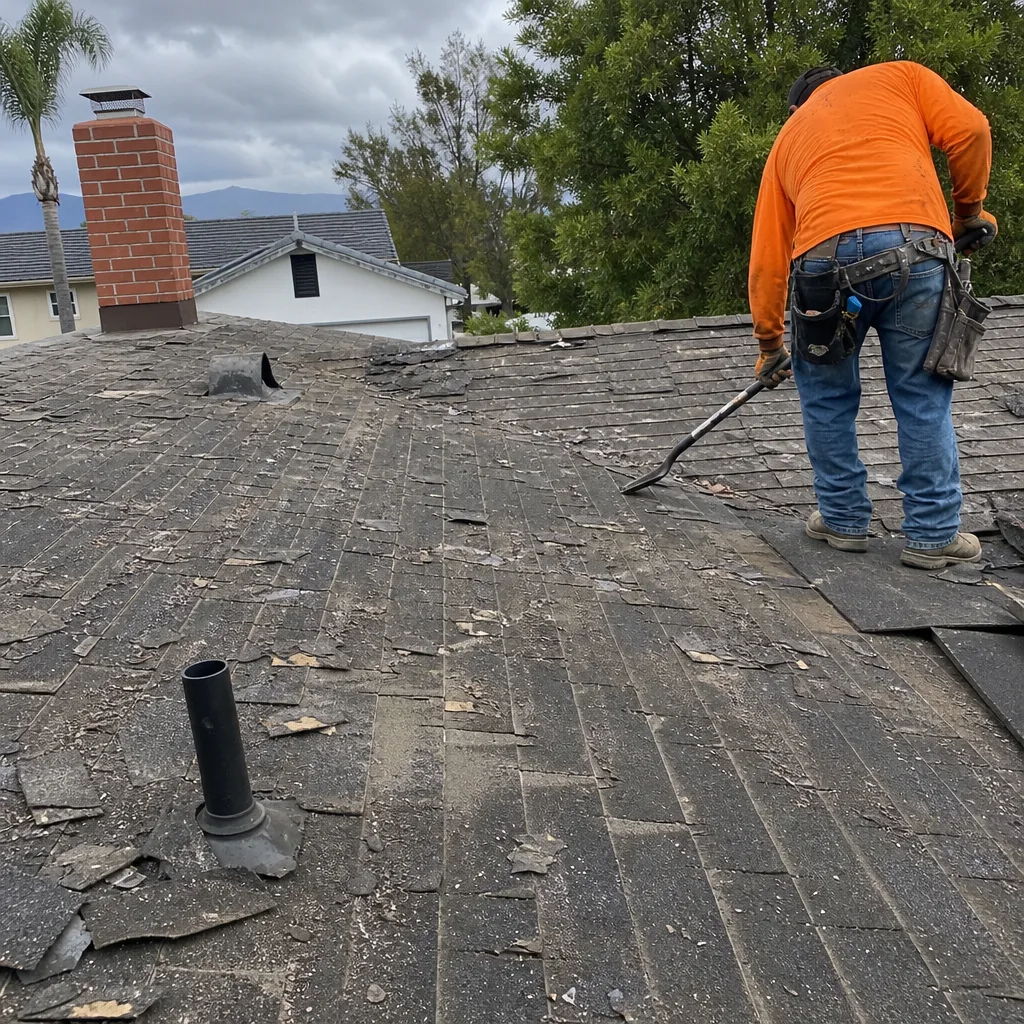 Before
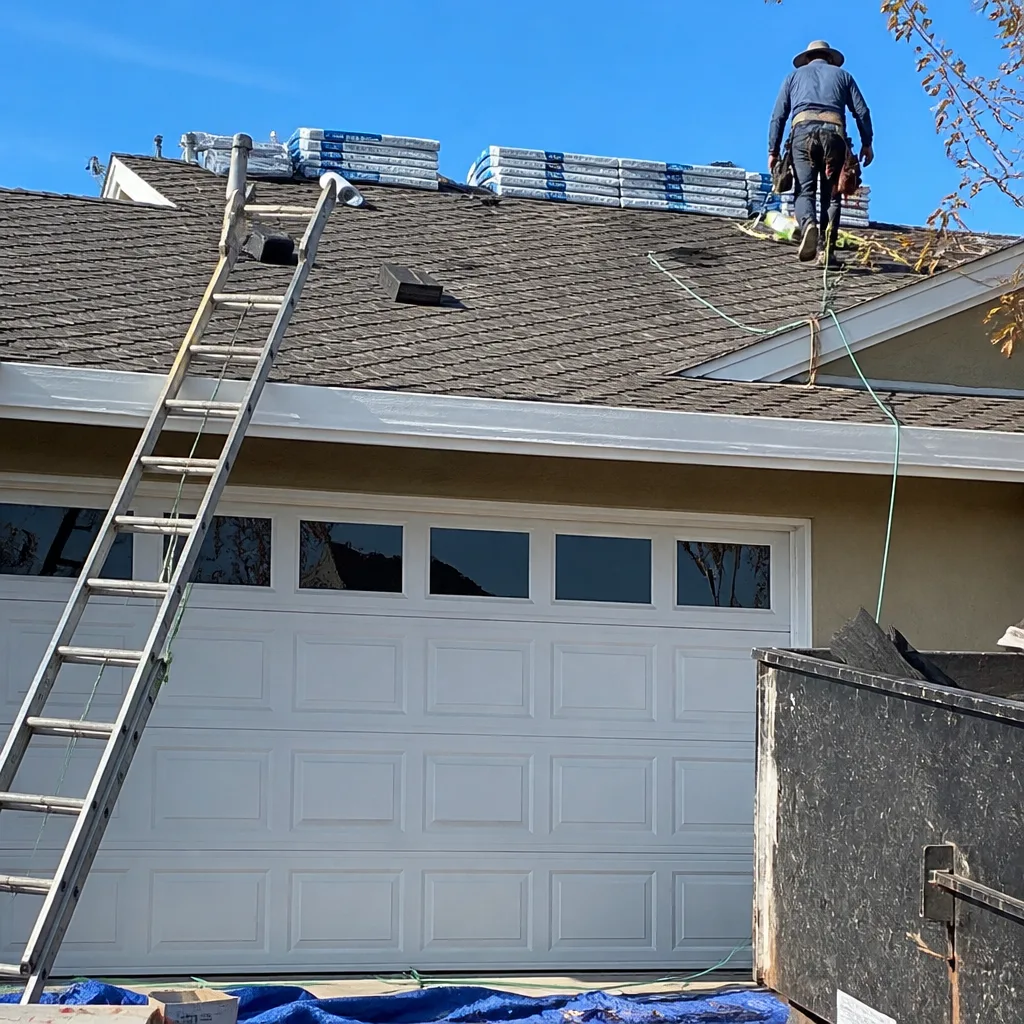 After
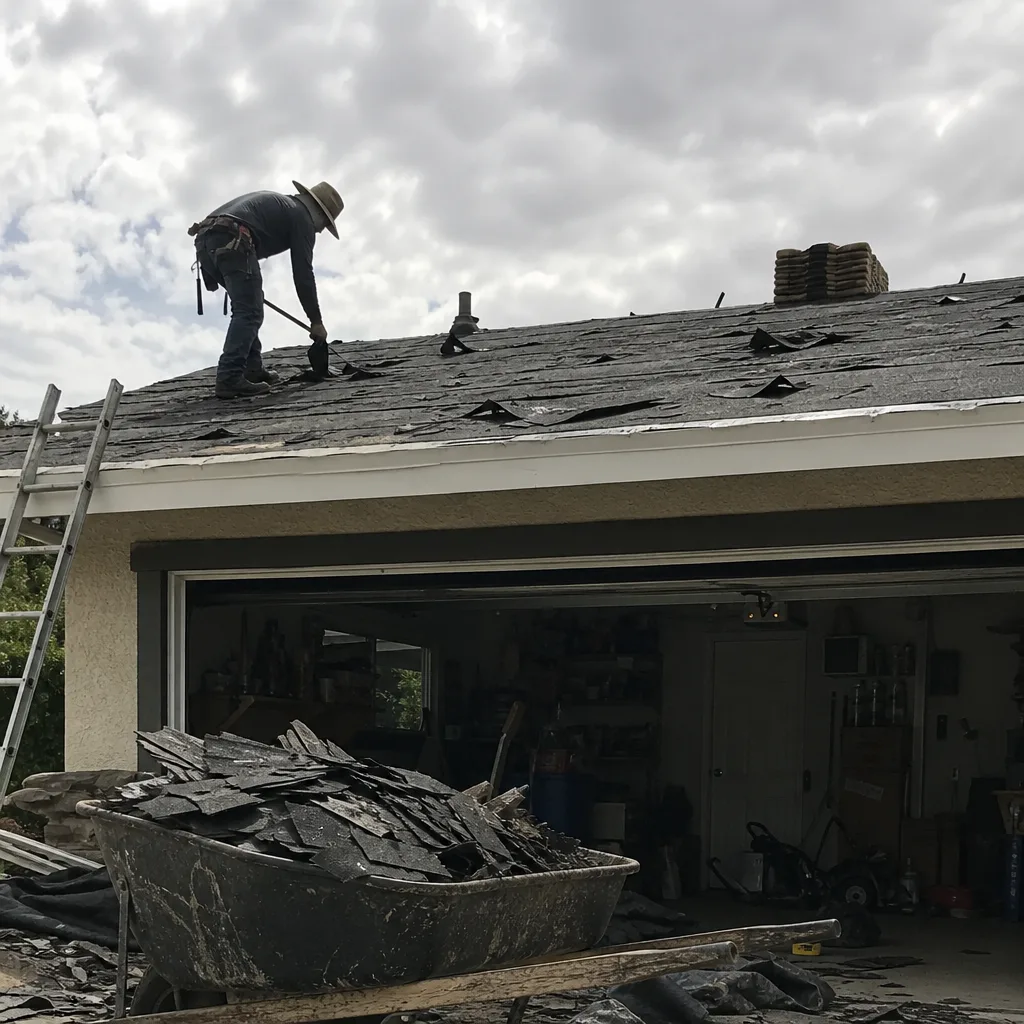 Before
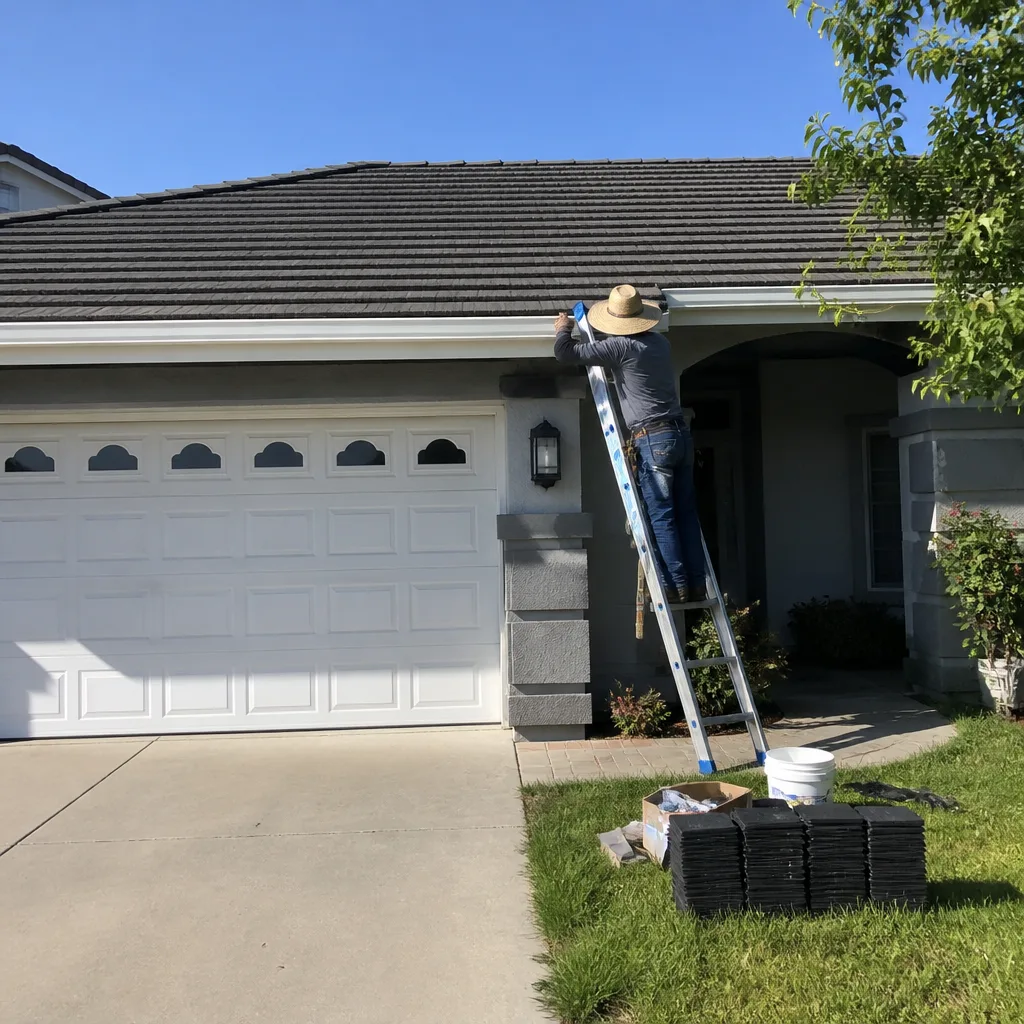 After