
Last updated October 31, 2026
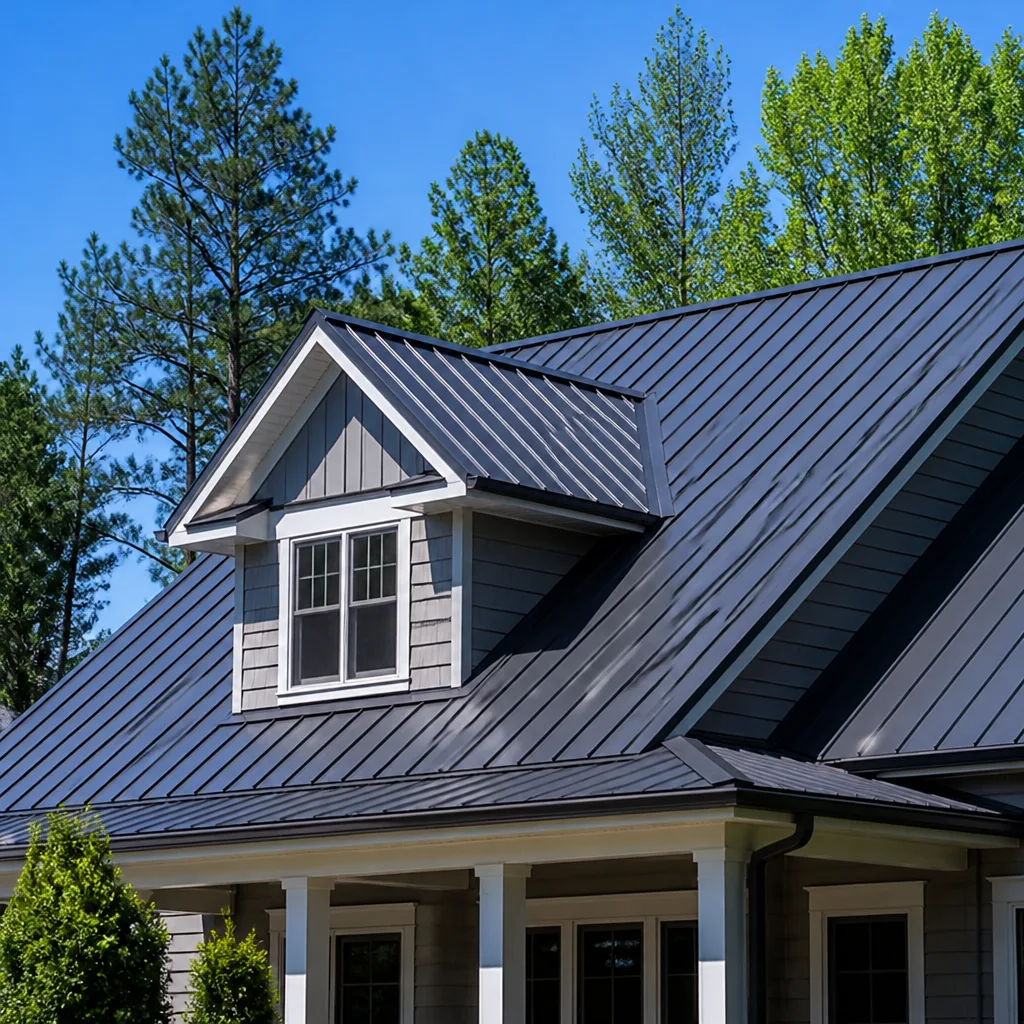 Metal roofing
 Architectural shingles
 Tile roofing
 GAF
 Owens Corning
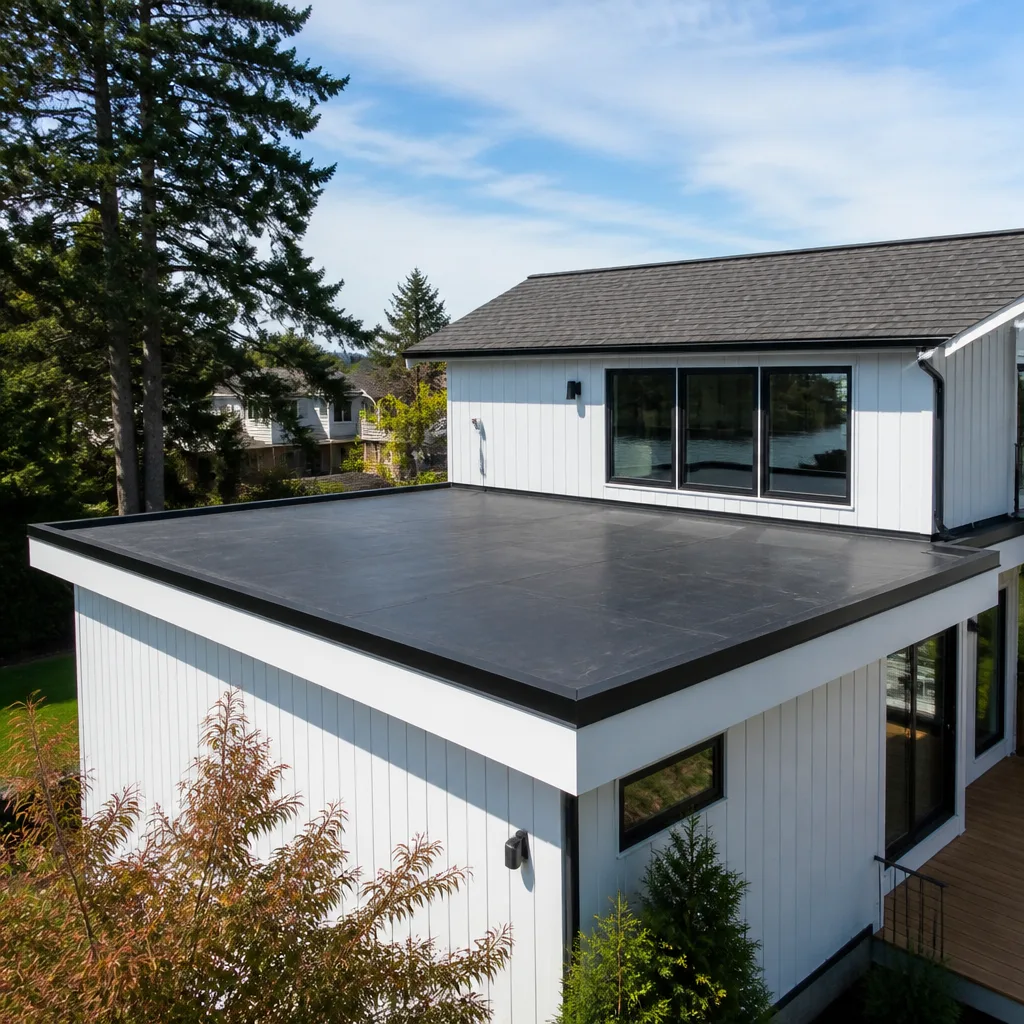 Flat & low-slope
Free roof inspection with deck photos before we talk money - GAF and Owens Corning certified installation
Roofing Permits, Codes & Inspections in CA: What You Need to Know
Unpermitted re-roof work is one of the most common title issues discovered during home sales in California. The homeowner who paid for the job often doesn’t learn about it until they’re sitting at an escrow table, holding a disclosure form they can’t honestly sign. Here’s what makes this sting: the fix is rarely simple. A retroactive permit means opening walls of paperwork, paying penalties, and sometimes exposing work that has to be redone. This guide maps the actual permit process in San Bernardino County, including Rancho Cucamonga, where our crews inspect and repair roofs every week. For Roofing Warning Signs: A Rancho Cucamonga Homeowner’s Reference Guide, see our related resource. You’ll learn when a permit is legally required, what triggers Title 24 compliance, how to verify a contractor’s permit before work starts, and what inspectors actually look for.
Styles & brands we work with
Quick Answer
In California, a roofing permit is required for most re-roofs and any repair that involves structural changes or exceeds a certain scope. In San Bernardino County, including Rancho Cucamonga, a permit is generally required when you replace more than a set percentage of the roof or change the roof covering material. Repairs under a certain square footage may be exempt, but if your project includes a material change, Title 24 cool-roof requirements may kick in even on a re-roof. Always confirm your contractor pulled a valid permit before work begins. Without one, you carry liability exposure when selling the home or filing an insurance claim.
Table of Contents
- When Is a Roofing Permit Required in San Bernardino County?
- California’s Title 24 Cool-Roof Requirement and Material Swaps
- How to Confirm a Contractor Pulled a Permit Correctly Before Work Begins
- What a San Bernardino County Roof Inspection Actually Evaluates
- Liability Exposure When Work Is Done Without a Permit
- Rancho Cucamonga-Specific Permit Notes
- Common Mistakes to Avoid
- When to Call a Professional
- Frequently Asked Questions
- The Bottom Line
When Is a Roofing Permit Required in San Bernardino County?
Here’s the direct answer most homeowners are looking for. A roofing permit in San Bernardino County is required when you remove and replace more than 25% of the roof covering on a residential structure. If you’re doing a full tear-off and re-roof, you need a permit. No gray area. If you’re repairing a few damaged shingles after a windstorm, you likely don’t. What trips people up is that middle zone: a patch that’s bigger than you thought, a repair that becomes a replacement once the underlayment is exposed, or a “quick fix” that a contractor insists doesn’t need paperwork. In our experience across Rancho Cucamonga, the threshold most commonly cited is a repair covering 25% or more of the roof area, which is when the county requires a permit. Some municipalities within the county, including Rancho Cucamonga, use a similar percentage-based trigger. Others reference a dollar threshold, often around $1,000 in valuation for certain work. The complication is that a permit that would cost $300 to $600 at the start can become a $1,500 to $3,000 problem if you’re caught after the fact, with penalties that scale based on the value of the work done.
Here’s what a permit is generally required for in San Bernardino County, including Rancho Cucamonga:
- Full roof replacement where old covering is removed and new material installed
- Partial replacement exceeding the 25% threshold of the total roof area
- Structural repair to rafters, trusses, or decking that requires opening the roof
- Changing the roof covering type (for example, composition shingles to tile, or tile to shingles)
- Installing a new roof on an addition or detached structure
And here’s what typically does not require a permit:
- Replacing a few damaged shingles or tiles (under the threshold)
- Sealing or patching a small leak with roofing cement
- Replacing flashing around a single vent or pipe
- Clearing debris from valleys and gutters
- Applying a reflective coating to an existing roof without changing the material
One nuance that catches Rancho Cucamonga homeowners off guard: the county looks at the roof area being altered, not the job cost. A cheap contractor working with discount materials still needs a permit if the physical scope exceeds the threshold. The cost threshold applies differently in some unincorporated areas and incorporated cities. Rancho Cucamonga follows the California Building Code, which requires permits for work exceeding typical repair scope, but the building department’s interpretation can vary by inspector. If you’re unsure, call the city’s building counter at City Hall and ask directly. It takes five minutes and costs nothing. Our team at Suncrest Roof Repair home recommends homeowners in Rancho Cucamonga get this in writing before signing with any contractor.
California’s Title 24 Cool-Roof Requirement and Material Swaps
Title 24 is the section of the California Code of Regulations that sets energy efficiency standards for buildings. For roofing, it means this: if you live in a climate zone that requires a “cool roof,” your new roof covering must meet specific solar reflectance and thermal emittance values. Most of San Bernardino County, including Rancho Cucamonga, falls into a climate zone where these standards apply. The practical effect: when you re-roof with a new material, that material must meet the minimum aged solar reflectance index (SRI) for your climate zone, unless an exception applies. If you’re replacing like with like – say, composition shingles with composition shingles – the new shingles typically already meet the standard if they’re from a major manufacturer. But if you’re changing materials, that’s where the conversation changes.
Here’s what a material change triggers under Title 24:
- Switching from dark asphalt shingles to a new shingle line may require you to select a cool-roof-rated shingle
- Replacing composition shingles with a standing seam metal roof requires the metal to meet minimum reflectance values
- Going from tile to shingles or shingles to tile means a full Title 24 check, not just a color decision
- Adding insulation under the deck requires compliance documentation
- Some re-roofs may be exempt if the roof slope is above a certain pitch or if you’re in a specific microclimate zone
The reason this matters in practice: the permit application for a re-roof in Rancho Cucamonga typically requires a Title 24 compliance form. If your contractor gets the form wrong, the permit can stall at the counter. We’ve seen rescans and re-submissions delay jobs by two to three weeks. The brand of shingle matters less than the product’s rated reflectance values, but it helps to work with a roofer who knows which lines from which manufacturers carry cool-roof ratings. Our crews work with GAF, CertainTeed, and Tamko, among others, and we can tell you which shingle colors in those lines meet Title 24 without additional documentation. For deeper help selecting materials, see Choosing the Right Roofing Brand: A Buyer’s Guide for Rancho Cucamonga. CertainTeed’s Landmark series and GAF’s Timberline Cool series both have color options that pass. If you’re in Rancho Cucamonga and replacing a roof, ask your contractor to show you the Title 24 form before you sign. If they look confused, that’s your signal to keep looking.
How to Confirm a Contractor Pulled a Permit Correctly Before Work Begins
This is the step almost nobody takes. Most homeowners assume that if a contractor says they’re pulling a permit, it’s happening. Here’s the reality we’ve seen in Rancho Cucamonga: a contractor takes a deposit, starts tear-off, and the permit application hasn’t been filed. Or a permit gets pulled under the wrong address or the wrong scope. Or the contractor pulls a repair permit when the actual work requires a re-roof permit. By the time the homeowner discovers the problem, the shingles are already on the ground.
Here’s the five-step verification process we recommend to every homeowner in San Bernardino County:
- Ask for the permit number before tear-off starts. If the contractor can’t provide one, ask them to show you the submitted application. No number, no application, no tear-off.
- Verify the permit online. The City of Rancho Cucamonga has an online building permit portal where you can search by address and confirm the permit status. The county has a similar system for unincorporated areas. This takes five minutes.
- Check the scope on the permit. Make sure it says “re-roof” if you’re getting a re-roof, not “repair.” This matters because the inspection type and number of required visits differ.
- Confirm the contractor’s license matches the permit. The permit should list the contractor’s full legal name and California contractor’s license number. If the name doesn’t match the person you signed with, something’s wrong.
- Ask when the first inspection is scheduled. A permit without scheduled inspections is an unfired warning shot. The permit must be closed out with a final inspection, not just issued.
This step matters for a reason that’s specific to how re-roof projects work in Rancho Cucamonga: many homes in this market were built during the 1980s and 1990s boom. Roofs on those homes are reaching the end of their second or third roof life. If you’re buying a home in that age range, permits from previous re-roofs may or may not exist. When you go to sell, the buyer’s title company may ask for a permit record. If there isn’t one, you’re negotiating from a weak position. The best defense is verifying permits on the current work, so your record stays clean going forward.
What a San Bernardino County Roof Inspection Actually Evaluates
A roofing permit inspection in San Bernardino County, including Rancho Cucamonga, isn’t a formality. The inspector walks the roof, checks the installation against the approved plans and current code, and signs off only when the work matches. Here’s what the inspector is looking at:
- Underlayment: The inspector comes after tear-off and before the new covering goes on in most re-roof cases. They verify the underlayment type, the overlap, and the fastening pattern.
- Fasteners: The number of nails per shingle, the nail placement, and the nail type all have code minimums. Inspectors in Rancho Cucamonga check this on the spot.
- Flashing: Step flashing at walls, pipe flashing, and valley flashing are checked for material type and installation method.
- Ventilation: The inspector verifies the roof has adequate intake and exhaust ventilation for the attic space. This is a frequent fail point on older homes in Rancho Cucamonga.
- Title 24 compliance: If the project required cool-roof compliance, the inspector verifies the installed material matches the paperwork.
- Deck condition: If the decking was exposed during tear-off, the inspector checks for rot and may require replacement of damaged sections before covering.
Preparing for an inspection is mostly about not creating conditions that cause a fail. Our crews in Rancho Cucamonga do the following before every inspection:
- Confirm the permit card is posted at the job site and matches the address.
- Make sure the inspector can access the roof safely. A ladder in place, no debris piles blocking walkways, no dogs loose in the yard.
- Have the plans and Title 24 form on site. The inspector will ask to see them.
- Walk the roof before the inspector arrives and check the same items on the list above. Fix anything obvious.
- Be present or have a representative present during the inspection so the inspector can ask questions and note corrections immediately.
One thing we tell homeowners in Rancho Cucamonga about inspections: the inspector’s job is not to make your life hard. They’re enforcing a standard that protects you at resale and at claim time. A passed inspection is a document that says your roof was installed to code. That document follows the property. It’s one of the few scenarios in homeownership where bureaucracy is actually your friend.
Liability Exposure When Work Is Done Without a Permit
Unpermitted roofing work creates three specific liability exposures. First: title issues at resale. When a Rancho Cucamonga home goes under contract, the buyer’s escrow and title company may pull the permit history for the property. If the roof was replaced within the last 10 to 15 years and there’s no permit record, the title report can flag it. The escrow process can stall, and the buyer may demand a retroactive permit, a price reduction, or a repair credit. In a worst case, the deal falls through.
Second: insurance claims. A home insurer processing a claim for roof damage may ask for documentation proving the roof was installed to code. No permit, no installation record, and the carrier may deny the claim or reduce the payout. We’ve heard this from homeowners in Rancho Cucamonga whose roofs were replaced years ago by a previous owner, and when a storm blew shingles off, the insurance adjuster started asking questions the homeowner couldn’t answer. Permits are the paper trail that makes an insurance claim clean.
Third: personal injury. If a contractor’s worker falls from an unpermitted roof in Rancho Cucamonga, the homeowner may be pulled into a workers’ compensation or liability claim. A valid permit establishes that the work was being done through a licensed, insured contractor with a legitimate project record. Without it, the narrative gets messy. The permit is not just about code; it’s about creating a clean, defensible record of work performed.
The cost of a permit in San Bernardino County is not the thing to optimize. It’s usually a few hundred dollars for a re-roof, and it buys you a documented, inspected, closed-out project. The cost of not having one can be thousands at escrow or at claims time. If you’re in Rancho Cucamonga and someone tells you they can save you money by “skipping the paperwork,” treat that as a red flag, not a discount.
Rancho Cucamonga-Specific Permit Notes
Rancho Cucamonga sits in the southwestern corner of San Bernardino County, at the base of the San Gabriel Mountains. The city has its own building department, separate from the county, with its own fee schedule and its own inspectors. Here’s what that means for a roofing permit in Rancho Cucamonga specifically:
- Plan check times: Rancho Cucamonga’s building department typically processes simple re-roof permits within one to two weeks if the application is complete. Incomplete Title 24 forms are the most common delay.
- Inspector scheduling: The city schedules inspections by request after the permit is issued. You or your contractor calls in the inspection request, and the city assigns an inspector for the next available window.
- Re-roof inspections: For most tear-off re-roofs in Rancho Cucamonga, the inspection sequence is: first (underlayment and prep), final (completed roof). Some smaller jobs may only require a final.
- Fees: Roofing permit fees in Rancho Cucamonga are calculated based on the valuation of work, not a flat rate. A full re-roof on a typical single-family home runs a few hundred dollars in fees, but the exact figure depends on your project’s scope.
- HOA considerations: Some neighborhoods in Rancho Cucamonga, especially newer master-planned communities in the northern part of the city, have HOAs with additional review requirements for roof material changes. If you’re changing the color or material profile, check with your HOA before you commit to a shingle line.
We work on roofs across Rancho Cucamonga, from older Alta Loma neighborhoods to newer developments near Victoria Gardens. The permit process is consistent city-wide, but older homes sometimes have pre-existing conditions that complicate a permit. For example, an older home may have had an unpermitted re-roof decades ago, and when the inspector comes for a new permit, they notice the old work. That’s not a reason to avoid permitting the new work. It’s a reason to get the current work documented correctly and move forward with a clean record.
Common Mistakes to Avoid
- Assuming a repair never needs a permit. In San Bernardino County, repairs that exceed the percentage or valuation threshold require a permit, regardless of what the contractor says. If a “repair” becomes a replacement once the deck is exposed, you may need to upgrade the permit mid-project.
- Signing a contract without asking for the permit number. If the contractor can’t show you a filed permit before starting a full re-roof, walk away. Verbal promises about “handling it later” don’t hold up.
- Letting the contractor pick the cheapest shingle without checking Title 24. A non-compliant shingle on a Rancho Cucamonga re-roof can fail inspection and trigger a tear-off of a brand-new roof. Always ask for the Title 24 compliance certificate before materials go on.
- Changing roof material without checking HOA rules. Some Rancho Cucamonga HOAs require architectural review for material changes. City approval doesn’t override the HOA. Get both sign-offs in writing.
- Skipping the final inspection. A permit that’s issued but never closed out is incomplete. The open permit sits on your property record and can complicate a future sale. Schedule the final inspection and confirm the permit is closed.
- Paying 100% upfront. A legitimate Rancho Cucamonga roofer doesn’t need full payment before work starts. Hold back final payment until the inspection passes and the permit is closed.
When to Call a Professional
Call a professional anytime you’re not certain whether your roofing project falls above or below the permit threshold. A licensed, insured roofer who works in Rancho Cucamonga and San Bernardino County regularly can tell you in five minutes whether a permit applies and what the Title 24 implications are for your specific roof. You should also call a professional if your roof has existing unpermitted work and you’re preparing to sell, or if your insurance company has asked for documentation of a previous roof installation. A good contractor can help you navigate the retroactive permit process, though it’s always faster and cheaper to do it right the first time. Explore our more guides & resources for additional homeowner help. Suncrest Roof Repair offers free estimates in Rancho Cucamonga and can assess your roof, check the permit history, and give you a clear written scope. Call (866) 538-0713 to schedule your inspection.
Frequently Asked Questions
A roofing permit in Rancho Cucamonga typically costs between $300 and $700 for a full re-roof on a standard single-family home, depending on the valuation of the work. Simple repair permits may cost less. The exact fee is calculated at the building counter when you submit the application. Call (866) 538-0713 for a free estimate that includes a clear breakdown of permit fees for your specific project.
Yes, but it’s more expensive and more complicated than getting one before work starts. A retroactive permit in San Bernardino County typically requires submitting as-built drawings, paying penalties, and scheduling an inspection of work that’s already covered. The inspector may require sections of the roof to be opened for verification. It’s always cheaper to pull the permit first.
No, replacing a small number of missing or damaged shingles typically does not require a permit in Rancho Cucamonga, as long as the repair stays well below the 25% threshold and does not involve structural changes. But if a “small repair” grows into a larger replacement once the damage is exposed, the scope may cross the threshold. A quick inspection can confirm what you’re dealing with.
It depends on the insurance company and the specifics of your policy. Some carriers will deny a claim for roof damage if the installation was unpermitted and they can’t verify code compliance. Others will pay but reduce the settlement. The safest path is to have a permitted, inspected, closed-out roof on record. If you have an unpermitted roof and want to file a claim, talk to your contractor first about documentation options.
In most cases, yes, Title 24 compliance applies to re-roofs even when you’re replacing the same material type. The new material must meet the current cool-roof standards for your climate zone in San Bernardino County. The good news is that most major shingle manufacturers, including GAF, CertainTeed, and Tamko, have product lines that already comply. Your contractor should provide the Title 24 form with your permit application.
A typical roof inspection takes 30 to 60 minutes on site, depending on the project scope and roof complexity. Scheduling the inspection depends on the city’s current workload, usually within a few days after the contractor requests it. If everything is in order, the inspector signs off on the spot, and the permit is closed. If corrections are needed, a re-inspection may be required.
The Bottom Line
Roofing permits in California aren’t optional paperwork; they’re the difference between a roof that exists and a roof that’s proven to exist. In San Bernardino County and Rancho Cucamonga, the rules hinge on scope thresholds, material changes, and Title 24 compliance. The permitting process takes time and costs money, but it’s a fraction of what an unpermitted roof can cost you at escrow or at claims time. Verify your contractor’s permit, schedule the inspections, and keep the paperwork. If you’re starting with an honest Roof Inspection in Rancho Cucamonga, you’ll know exactly which path your roof needs to follow, from the first shingle to the final sign-off. Our team at Roof Repair in Rancho Cucamonga and Roof Replacement in Rancho Cucamonga handles permits as a standard part of the work. Call (866) 538-0713 for a free estimate, and we’ll walk you through the process step by step.
Written by the team at Suncrest Roof Repair, serving Rancho Cucamonga since 2015.
See the difference
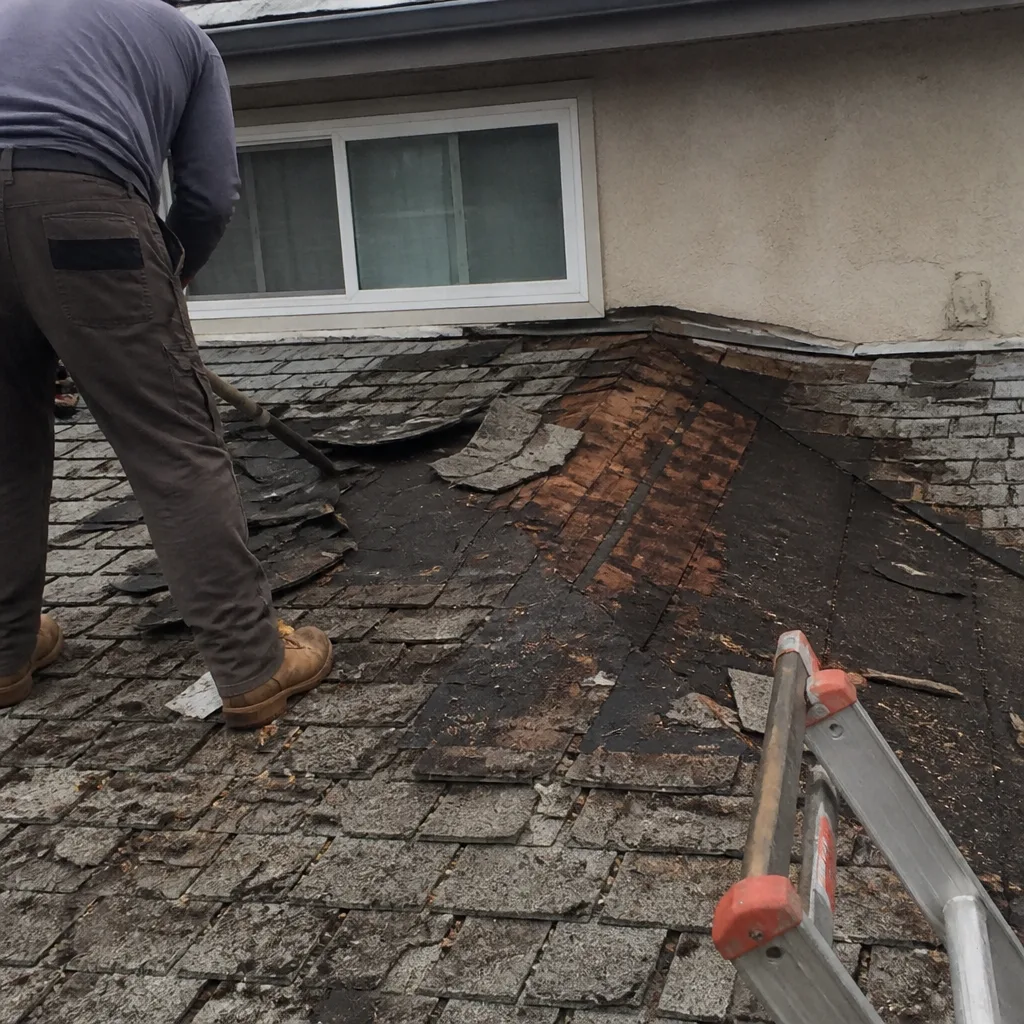 Before
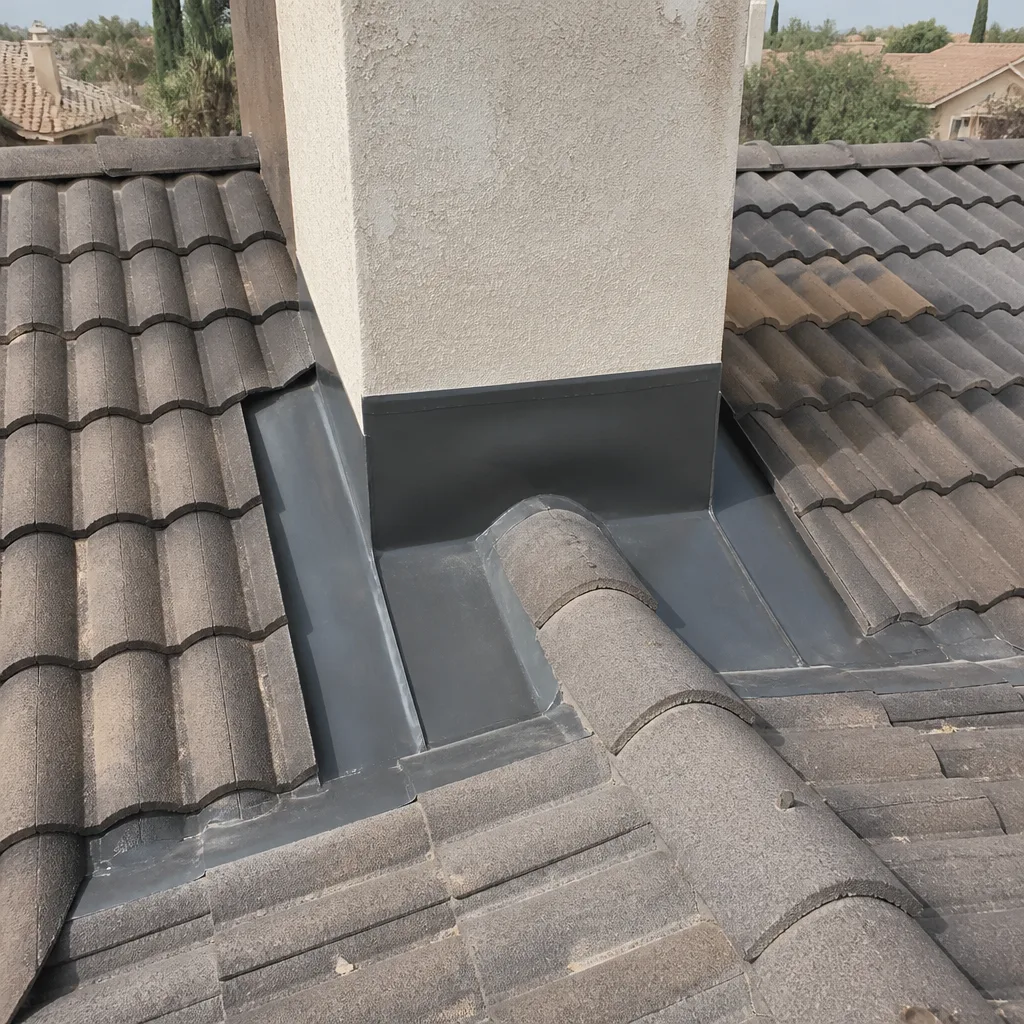 After
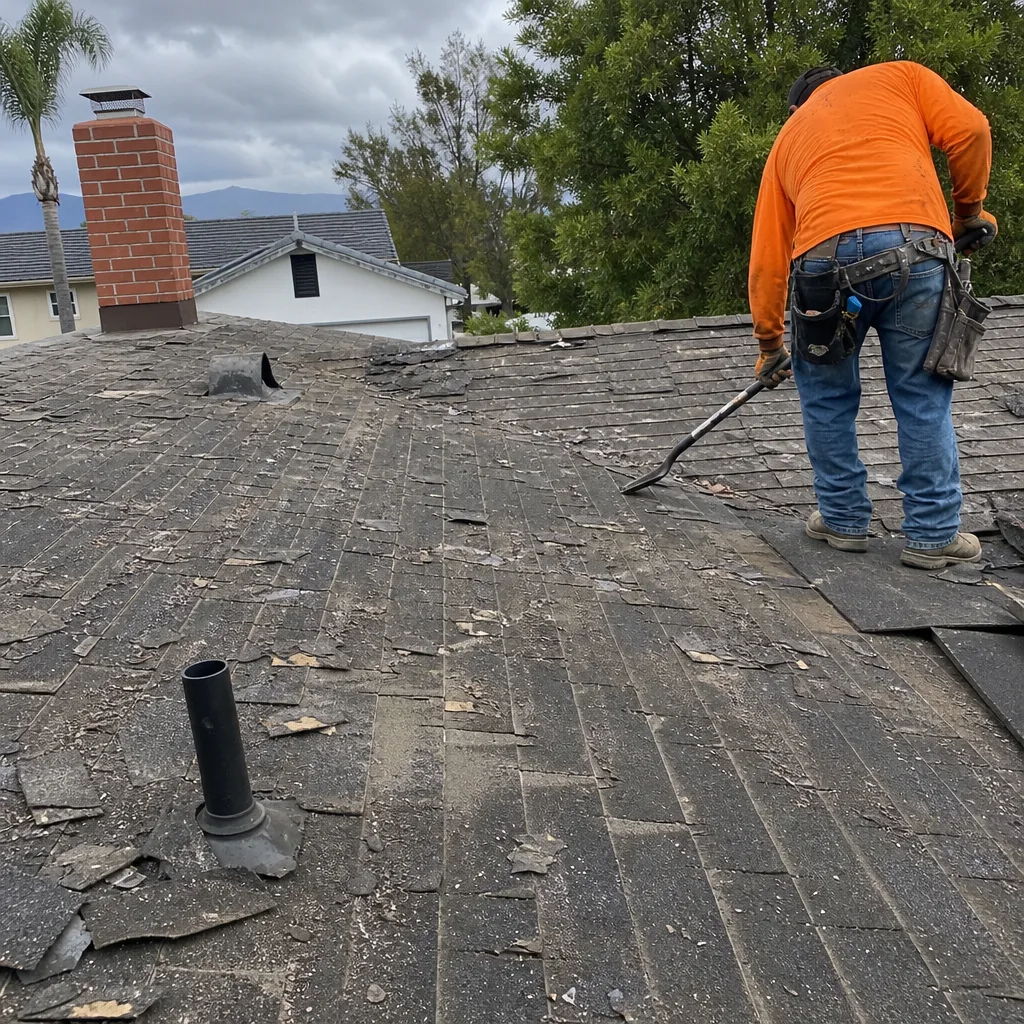 Before
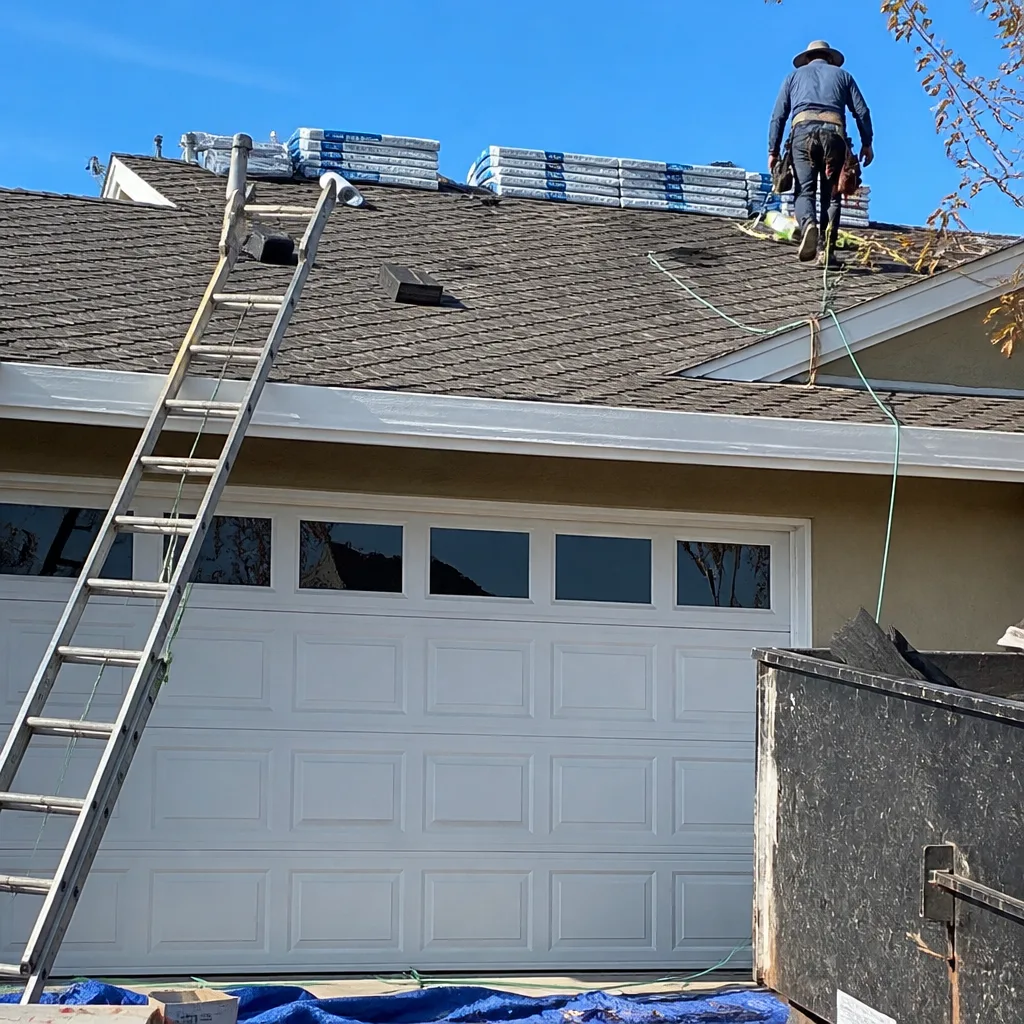 After
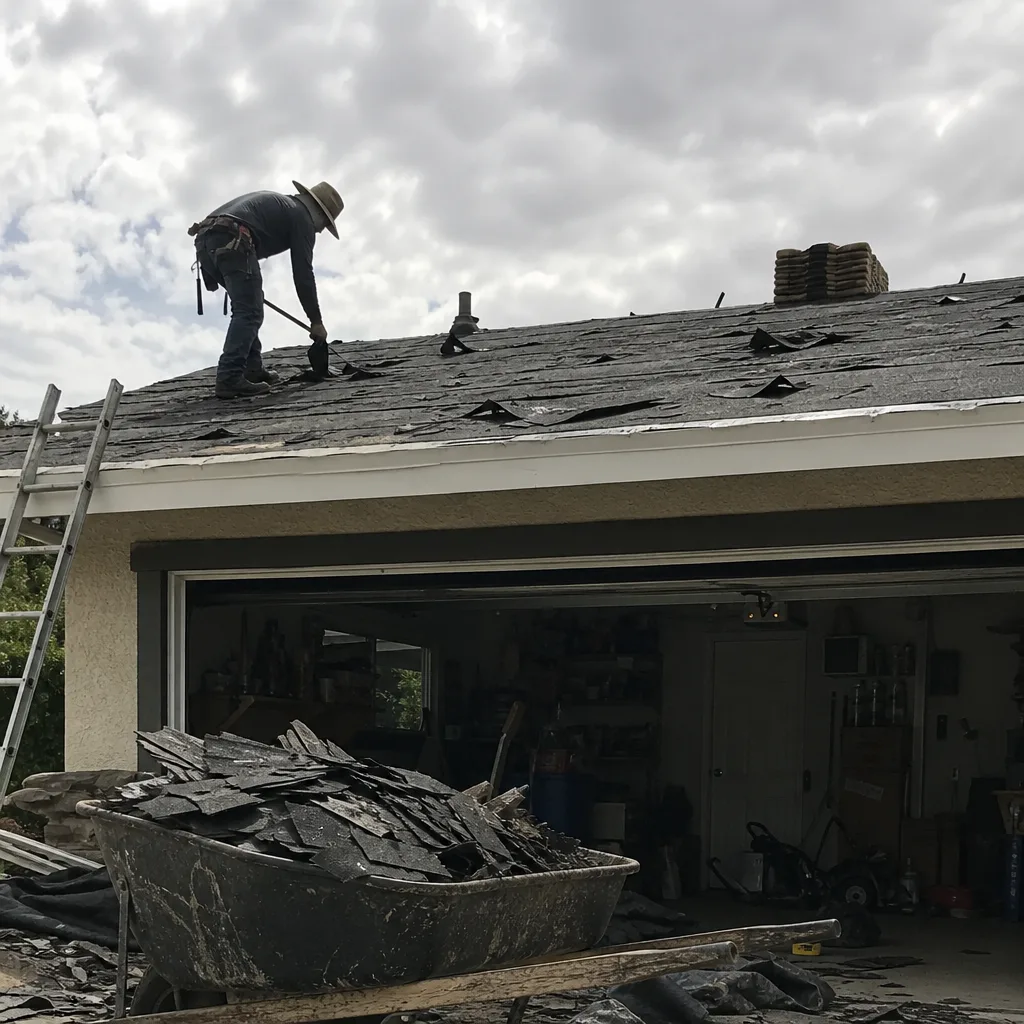 Before
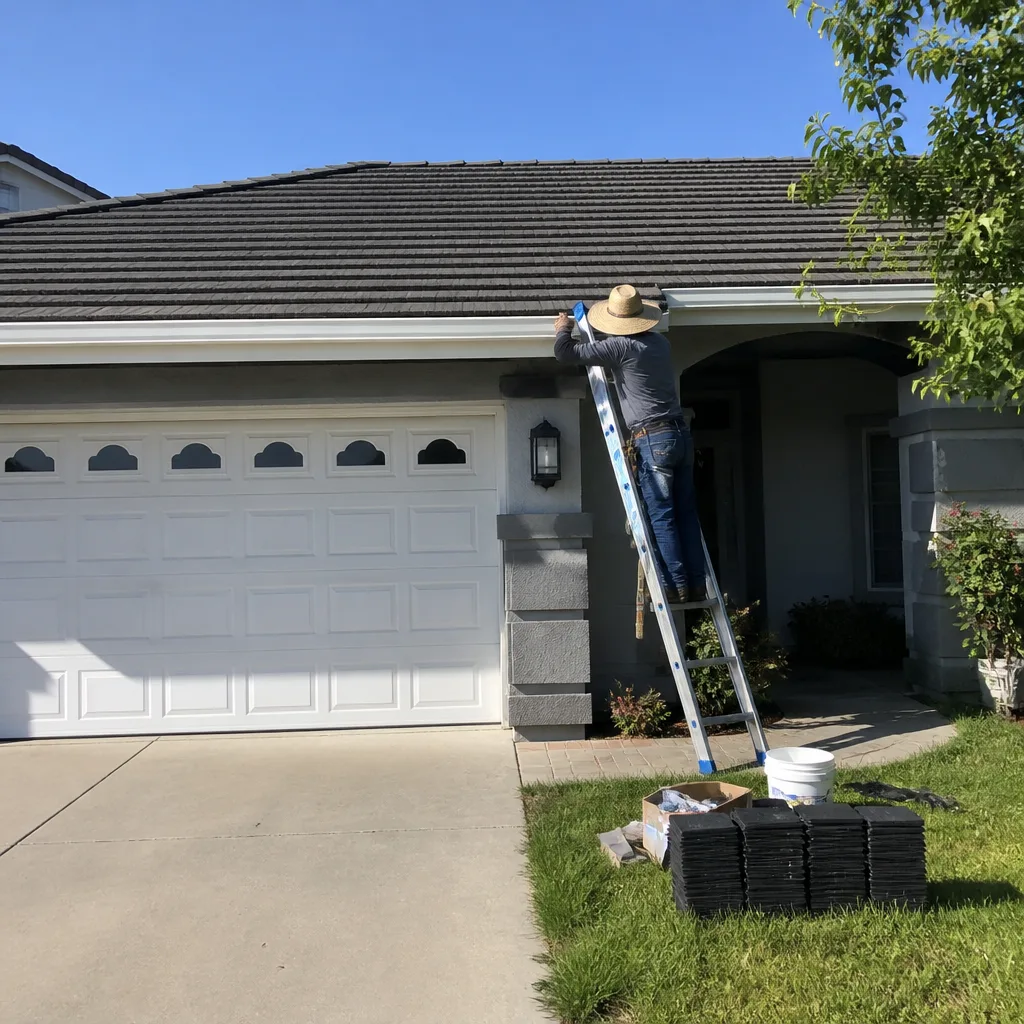 After