
Last updated October 31, 2026
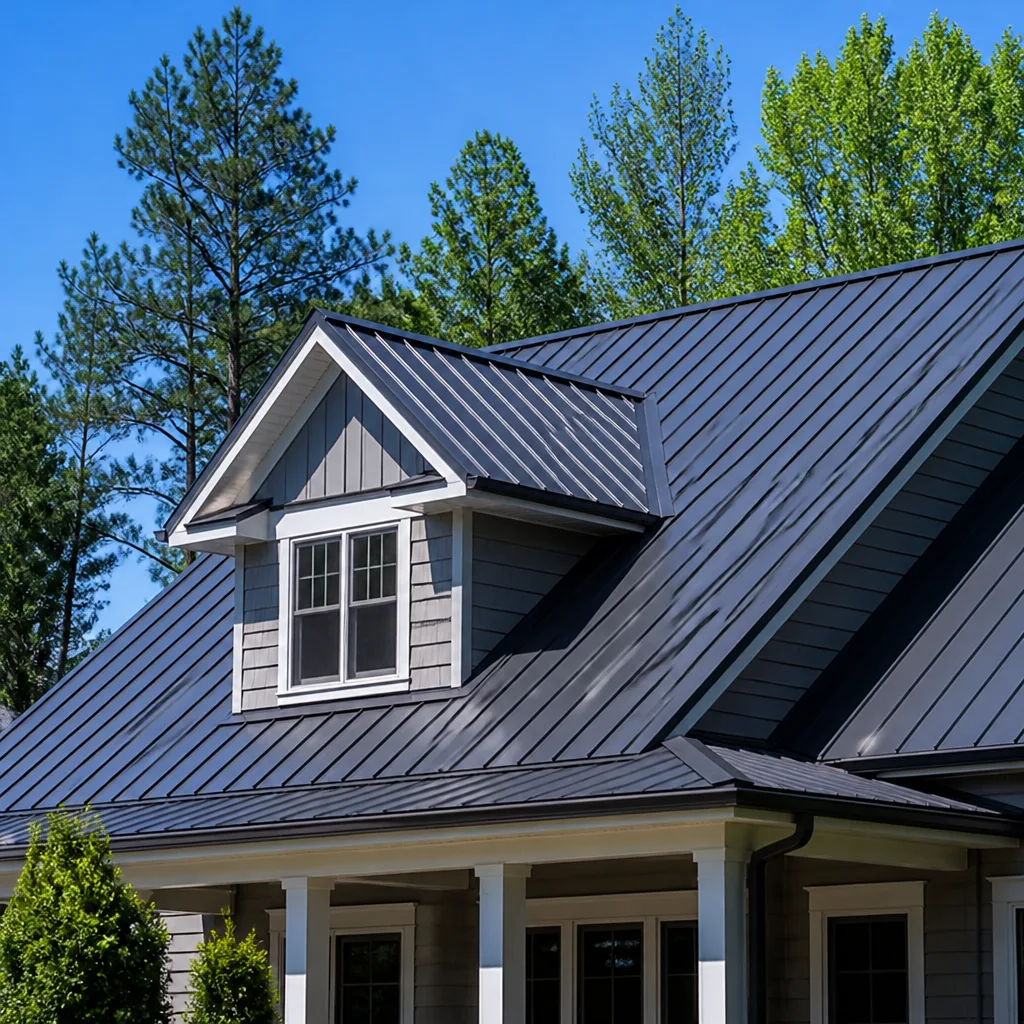 Metal roofing
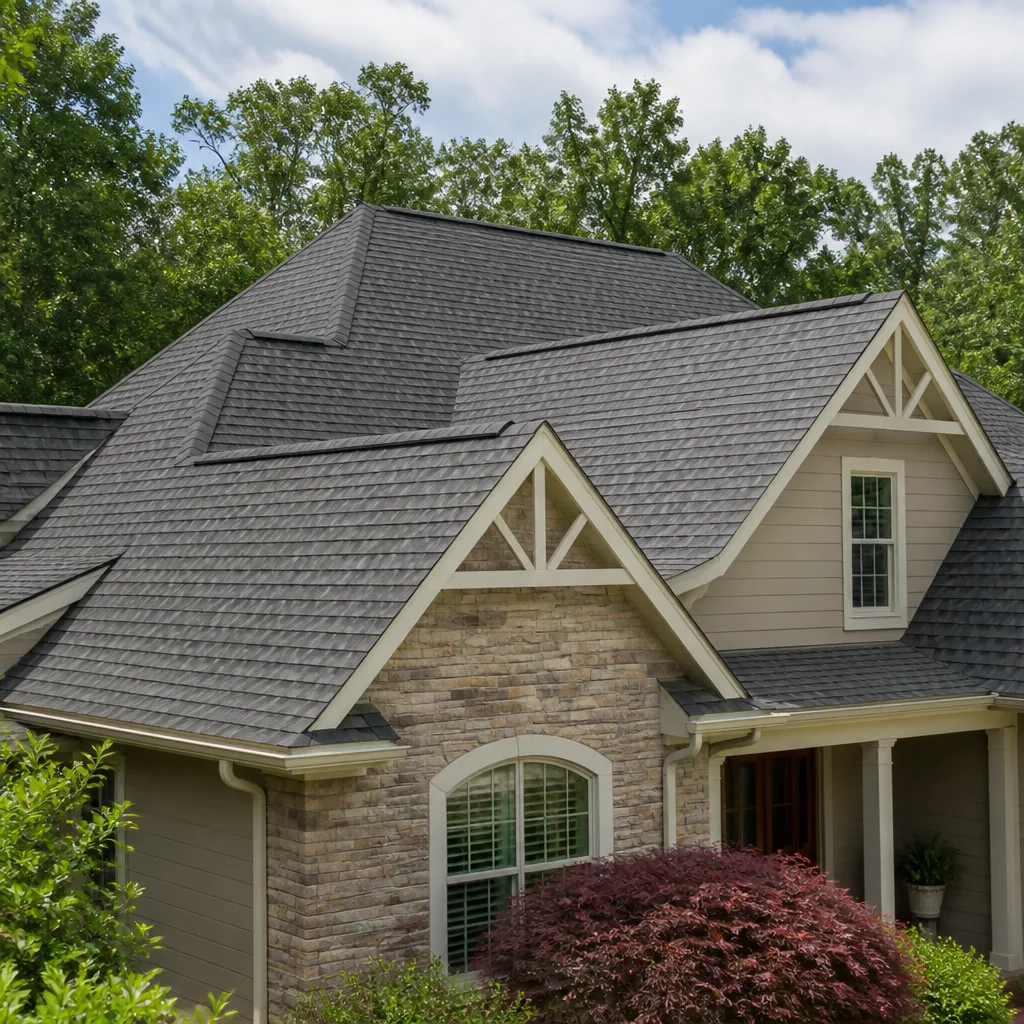
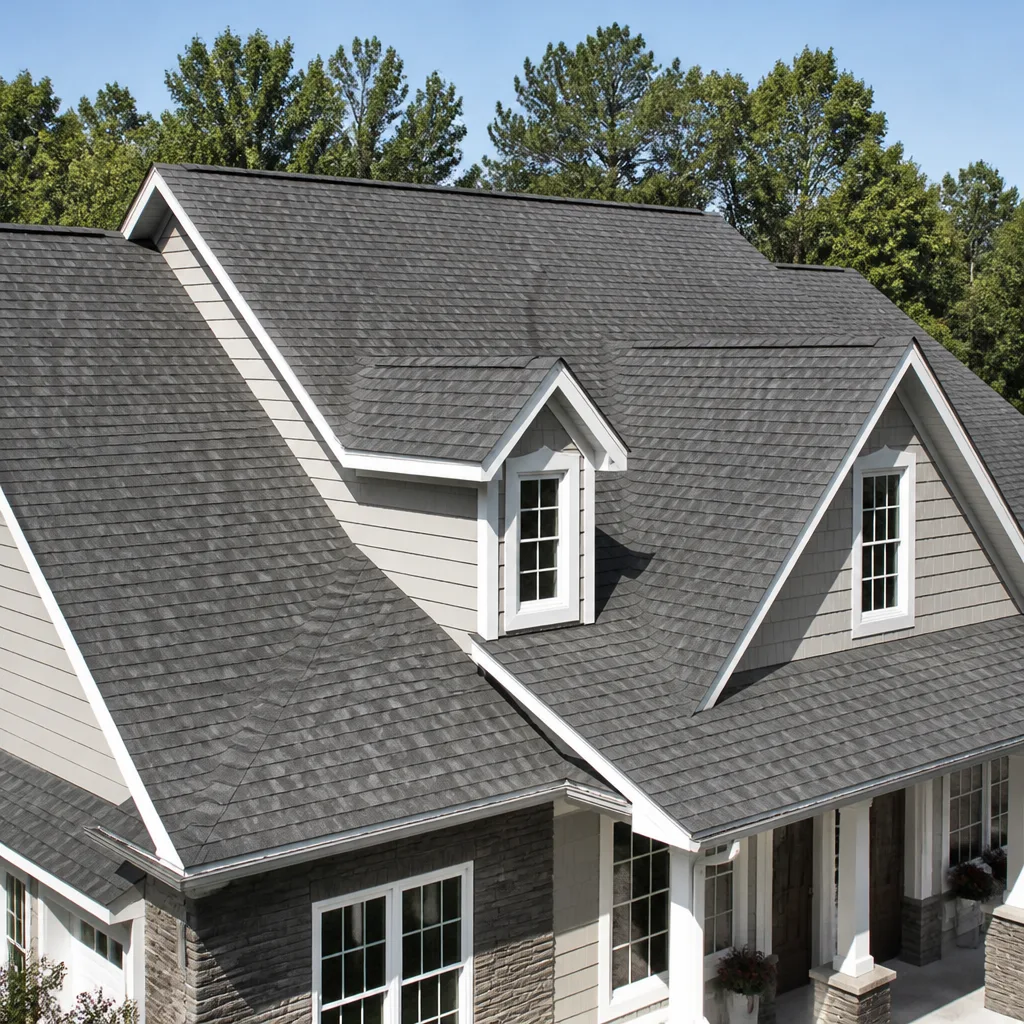 Architectural shingles
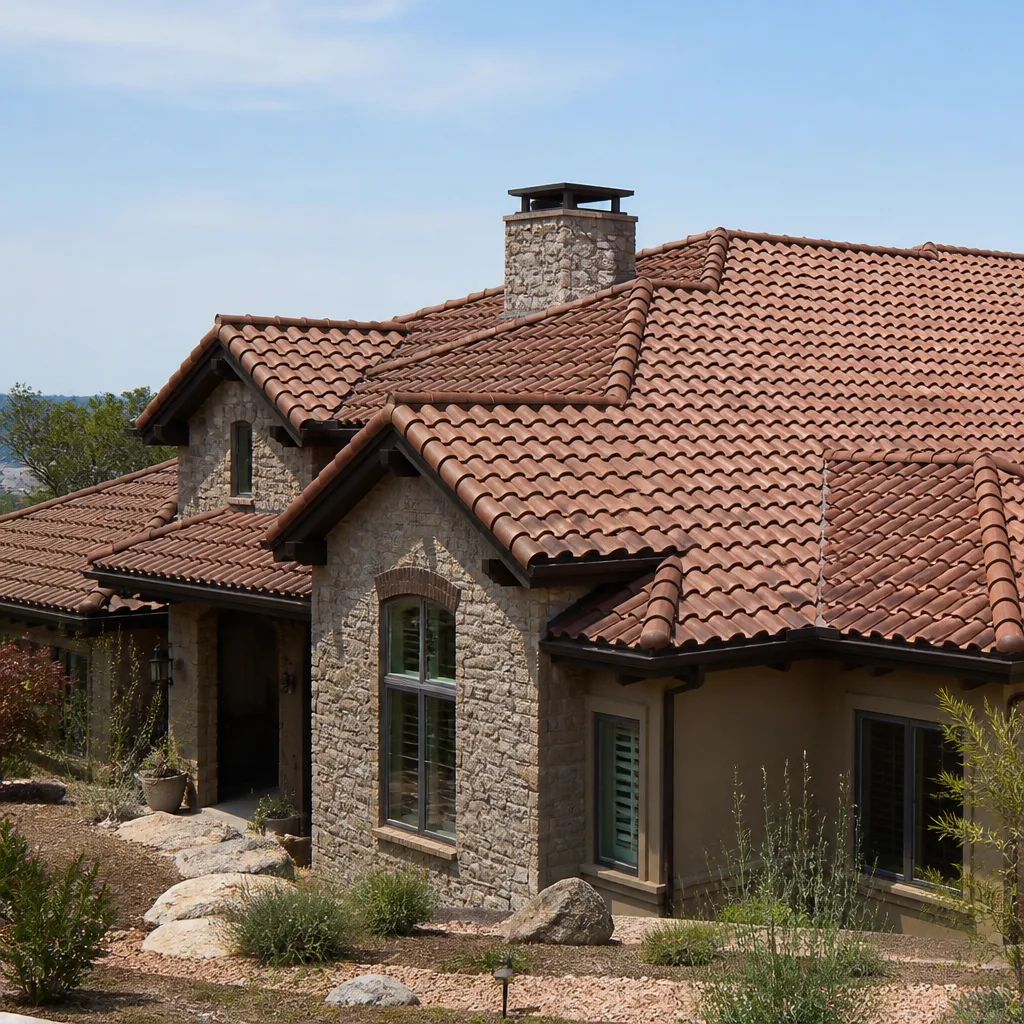 Tile roofing
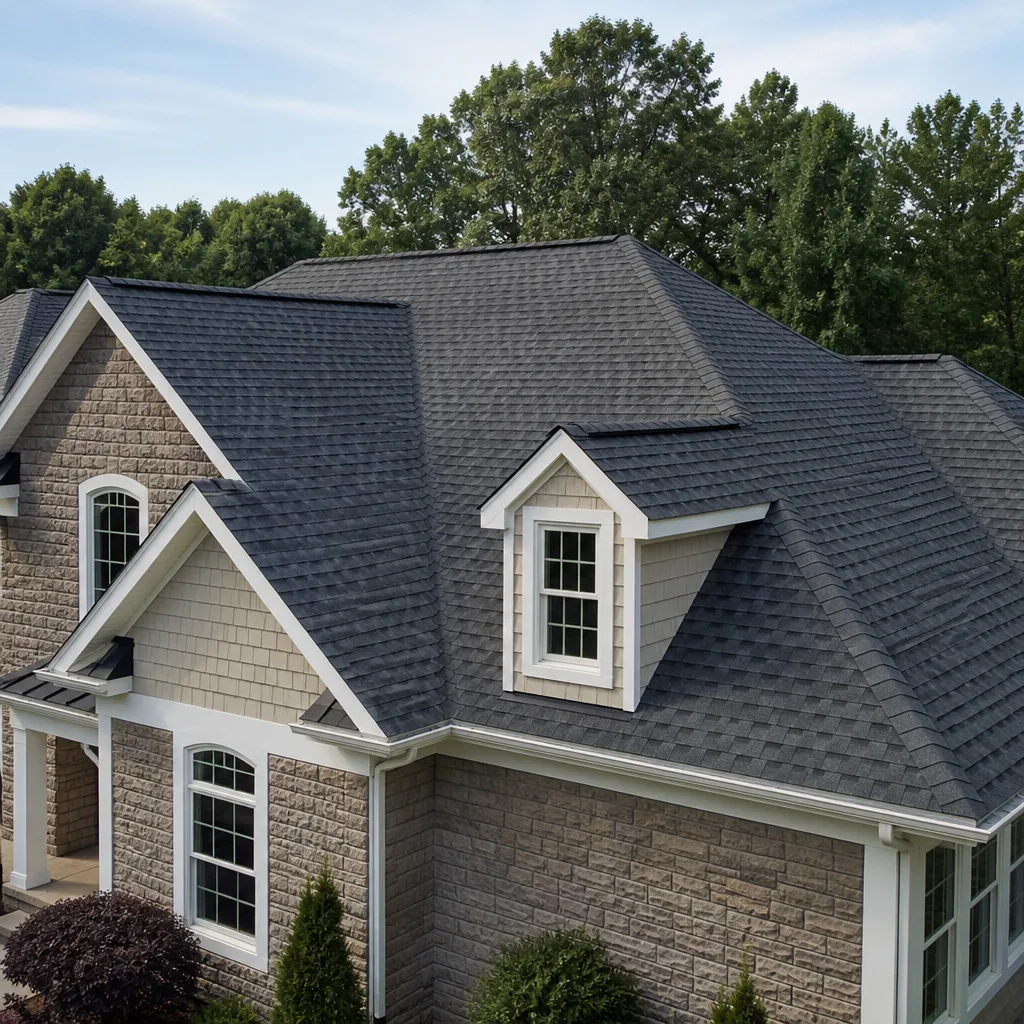 GAF
 Owens Corning
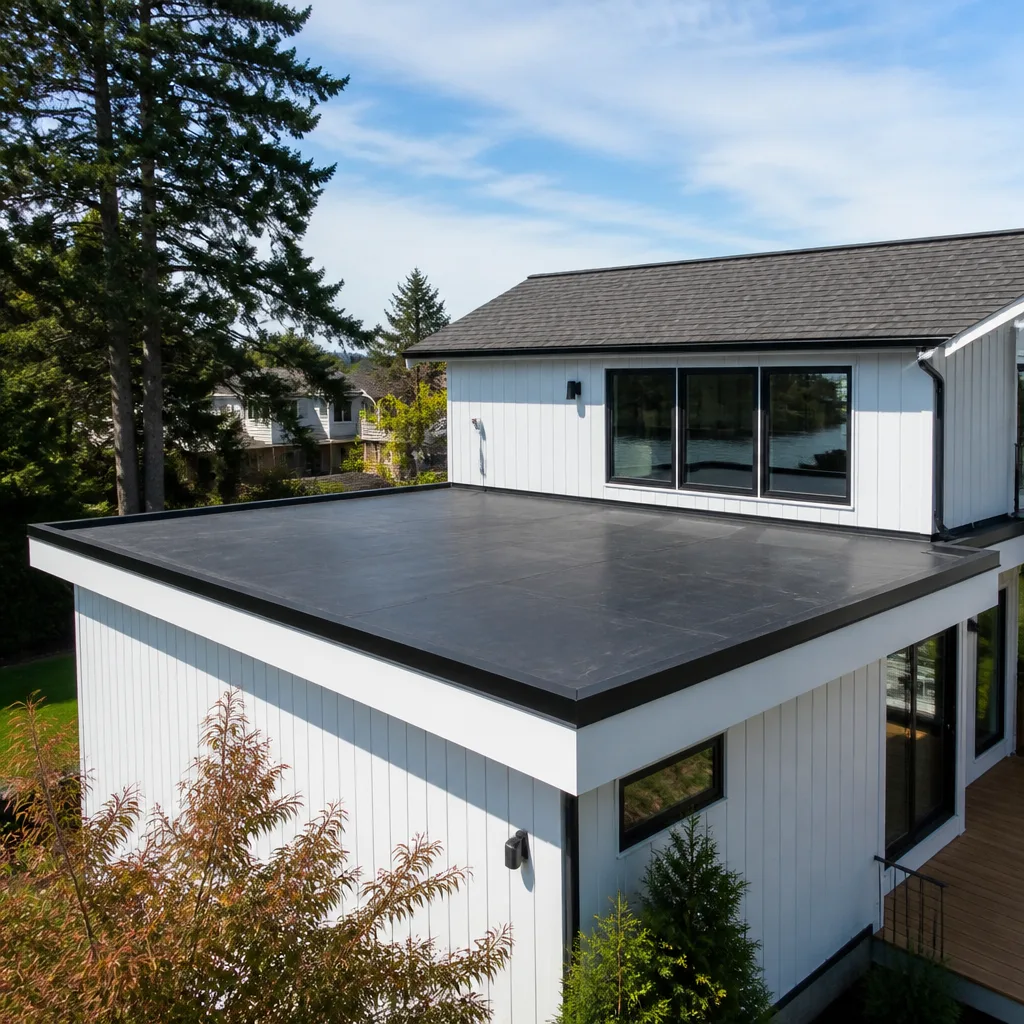 Flat & low-slope
Free roof inspection with deck photos before we talk money - GAF and Owens Corning certified installation
The Complete Guide to Roofing in Rancho Cucamonga
Rancho Cucamonga gets roughly 287 sunny days a year. Most national roofing guides ignore what that number actually means. UV radiation at this latitude and elevation degrades asphalt shingles through a process called photo-oxidation, which strips the protective granule layer long before rain ever causes a leak. By the time many homeowners notice granule loss on a roof inspection or in their gutters, the shingles beneath have already lost a significant portion of their service life. This guide explains how Rancho Cucamonga’s specific climate shapes roofing decisions, what materials hold up under the Inland Empire sun, and how to approach inspection, repair, and replacement without overpaying or underspending. For a deeper dive, see The Complete Roof Repair Guide for Rancho Cucamonga Homeowners. We’ve seen every pattern this climate produces, and we’ll walk you through what actually matters.
Styles & brands we work with
Quick Answer
Roofing in Rancho Cucamonga is defined by intense UV exposure, periodic Santa Ana wind events, and occasional frost above 1,000 feet, all of which shorten the effective lifespan of asphalt shingles compared to manufacturer estimates. The most durable and cost-effective roofing decisions for this climate start with a professional inspection that documents what’s actually failing. From there, targeted repair extends roof life by 5 to 15 years, and full replacement becomes the right call only when the deck, underlayment, and shingles together reach end-of-life, typically at the 18 to 25 year mark for original tract-home composition roofs in the Inland Empire.
Table of Contents
- How Rancho Cucamonga’s Climate Actually Affects Your Roof
- Which Roofing Materials Survive the Inland Empire Sun
- Title 24 Cool Roof Rules: What Rancho Cucamonga Homeowners Need to Know
- The Full Roof Lifecycle: Inspection, Repair, Replacement
- What a Legitimate Rancho Cucamonga Roofing Estimate Should Include
- Real Roofing Costs in Rancho Cucamonga: Line by Line
- Signs Your Rancho Cucamonga Roof Is at End-of-Life
- Common Mistakes to Avoid
- When to Call a Professional
- Frequently Asked Questions
- The Bottom Line
How Rancho Cucamonga’s Climate Actually Affects Your Roof
The Inland Empire creates a roofing environment that manufacturer warranties don’t fully account for. Shingle manufacturers typically test their products in controlled conditions that simulate average national weathering, not the specific stress pattern of the San Gabriel Valley foothills. Rancho Cucamonga sits at roughly 1,200 feet elevation, which means the UV index averages 6 to 7 during the summer months, and the summer daytime temperatures regularly exceed 95°F from June through September. That combination of consistent UV load and high surface temperature, which can reach 160°F on a composition shingle roof in August, accelerates the chemical breakdown of asphalt binders.
Here’s what that means in practice. A shingle that carries a 30-year manufacturer warranty in a mild climate may deliver 18 to 22 years of effective service in Rancho Cucamonga before granule loss, curling, and brittleness become visible problems. The failure mode isn’t sudden, it’s gradual. Shingles lose granules year over year, the asphalt substrate gets exposed, and the shingle becomes progressively more vulnerable to impact damage and water infiltration. We’ve inspected roofs in neighborhoods like Victoria, Etiwanda, and Alta Loma where homes built in the early 2000s show significant granule displacement on sun-facing slopes, while the shaded north-facing slopes look nearly new.
Santa Ana winds add a second stressor. Wind events in the fall and winter routinely produce gusts between 40 and 60 mph in the foothill communities. Asphalt shingles lose their flexibility as they age, and a shingle that flexed without damage at year five may crack or tear at year fifteen when hit by the same gust. The windward edges take the most abuse, particularly on homes with tile roofs where the ridge and hip tiles are the failure points. Cracked or lifted tiles create entry points for wind-driven rain, and the damage is often invisible from the ground until a leak appears inside the house.
A third factor most guides miss: freeze-thaw cycling above 1,000 feet. Rancho Cucamonga’s higher neighborhoods, including portions of Alta Loma and the Etiwanda foothills, experience overnight frost between December and February. When moisture penetrates micro-cracks in tiles or the pores of aged composition shingles, and the temperature drops below freezing, the ice expansion widens those cracks. Repeating this cycle across forty or fifty cold nights each winter contributes to premature material failure, especially in clay tile installations that were not designed for frost exposure.
Which Roofing Materials Survive the Inland Empire Sun
Rancho Cucamonga neighborhoods favor three primary roofing categories: composition asphalt shingles, concrete or clay tile, and increasingly, flat membrane systems on mid-century and modern homes. Each handles the local climate differently, and the right choice depends on the structure, the homeowner’s timeline, and the energy goals.
Composition asphalt shingles remain the most common material in tract-home communities built from the 1980s through the 2010s. The advantage is cost, typically 40 to 60 percent less than tile for a full replacement. The disadvantage is UV sensitivity. Higher-end architectural shingles from manufacturers like CertainTeed and GAF hold up better than three-tab shingles because their thicker, laminated construction retains granules longer. Some of these architectural lines carry enhanced UV-stabilizing additives that directly address the Inland Empire’s specific stress pattern. When we recommend a composition shingle in Rancho Cucamonga, we typically steer homeowners toward these higher-tier lines because the incremental cost, usually $800 to $1,500 across a full roof, buys back years of service life.
Concrete and clay tile are the traditional choice in the foothill communities, and they handle UV exposure far better than asphalt. Tile doesn’t granule-shed, doesn’t photo-oxidize, and can last 50 to 70 years with proper underlayment replacement. The weakness is structural weight, which requires a roof deck and framing designed for it, and the underlayment, not the tile itself, which is the actual waterproof barrier and typically needs replacement every 20 to 30 years. Many Rancho Cucamonga homes built in the 1990s with original tile roofs are now overdue for underlayment replacement, a job that requires tile removal, new barrier installation, and tile resetting, and surprisingly often costs as much as a full composition replacement.
Flat and low-slope membrane systems appear on mid-century homes and contemporary builds in neighborhoods like Rancho Etiwanda and parts of Victoria. These systems, including TPO, PVC, and modified bitumen, are engineered for UV resistance, but their weak point is seam integrity and ponding. Rancho Cucamonga’s intense sun can degrade seamed areas on older TPO systems, and fall leaf debris from mature landscaping can trap moisture against the membrane, accelerating wear. A professional inspection can identify seam stress early before leaking begins.
Suncrest Roof Repair works with seven major shingle and material brands, including Atlas, Tamko, and Boral, which means material recommendations come from what the roof needs, not what happens to be in stock. A homeowner deciding between clay tile and architectural shingles in Rancho Cucamonga should hear the tradeoffs honestly: tile lasts longer, shingles cost less, and the right answer depends on long-term plans for the property.
Title 24 Cool Roof Rules: What Rancho Cucamonga Homeowners Need to Know
California’s Title 24 building energy efficiency standards apply to any new roof installation in Rancho Cucamonga, and the cool roof requirements are stricter than most homeowners realize. The key distinction: a product that looks light-colored is not automatically a cool roof. Cool roof compliance is determined by solar reflectance index, or SRI, a measurement that combines solar reflectance and thermal emittance. A shingle can be marketed as “light gray” or “weathered wood” and still fail to meet the SRI threshold for the Inland Empire climate zone, which is 16 for low-slope and 20 for steep-slope roofs.
The practical impact shows up in energy bills. A roof with an SRI of 25 will reflect significantly more solar radiation than a dark-colored roof with an SRI of 8. The attic temperature difference can be 20 to 30 degrees on a summer afternoon, which translates directly into cooling load. For a typical 2,000 square foot single-story home in Rancho Cucamonga with a 3 to 4 ton AC system, a proper cool roof can reduce summer cooling costs by 7 to 15 percent depending on insulation levels and orientation.
Several manufacturer lines meet Title 24 requirements while maintaining aesthetic range. Among the brands Suncrest Roof Repair installs, GAF produces cool roof-qualified shingles in its Timberline and Camelot lines, CertainTeed offers Landmark Solaris, and Owens Corning produces Duration Cool. The SRI rating should be printed on the product data sheet, and a legitimate Rancho Cucamonga roofer should be able to show it to you before you sign. If a bid simply states “cool roof color” without a specific SRI rating or product name, that’s a red flag.
Homeowners replacing a roof should ask two questions during the estimate: “What is the SRI of the shingle you’re proposing?” and “Does this product meet Title 24 for my climate zone?” A contractor who can’t answer both questions immediately is not prepared for a code-compliant installation in Rancho Cucamonga.
The Full Roof Lifecycle: Inspection, Repair, Replacement
The most expensive mistake a homeowner can make is skipping directly from “the roof is old” to “the roof needs replacing.” A full replacement in Rancho Cucamonga costs between $12,000 and $28,000 for a typical home, and in many cases a targeted repair costing $500 to $3,000 adds years of service life. The intelligent approach follows a lifecycle: professional inspection first, targeted repair when the damage is localized, and full replacement only when the deck, underlayment, and shingles together reach structural end-of-life.
Here’s how the lifecycle works in practice, step by step:
- Inspection documents the baseline. A professional roof inspection in Rancho Cucamonga produces a written condition report with photos, identifies the specific failure points, and estimates remaining service life. This gives the homeowner a factual starting point rather than a contractor’s verbal impression.
- Repair addresses localized failure. Missing shingles from a wind event, a valley flashing leak, a cracked tile, a failed pipe boot. These are point repairs that cost hundreds, not thousands, and they keep the roof watertight while it continues to serve.
- Monitoring extends the cycle. After repair, an annual or biannual visual check catches the next issue before it becomes a leak. Many homeowners schedule this for the same time they service the AC.
- Replacement becomes the right call at true end-of-life. When the shingles are granule-stripped across the sun-facing planes, the deck shows soft spots or water staining, the underlayment is failing, and multiple patches have been made, replacement is no longer optional. At that point, continuing to patch is throwing money at a system that has already failed.
The advantage of working with one accountable contractor across this entire lifecycle is continuity. The inspector who documented the roof’s condition at year one is the same company recommending replacement at year eight. There’s no second opinion from a contractor who wasn’t involved in the earlier decisions, and no pressure to replace prematurely because “we don’t do repairs anyway.” The repair-first philosophy is the honest approach to Rancho Cucamonga’s climate, where a roof in its teens often still has meaningful service life left with targeted attention.
What a Legitimate Rancho Cucamonga Roofing Estimate Should Include
Every roofing estimate in Rancho Cucamonga is not created equal. Some bids are itemized and transparent, others are a number on a single line with a handshake. The difference matters, especially on a five-figure project. A legitimate roofing estimate should include, at minimum, the following line items:
- Deck inspection and repair allowance. The estimate should state the cost per sheet of plywood or OSB replacement if the crew finds rotted decking once the old roof comes off, plus an estimated quantity. This is the most common surprise cost, and an honest bid anticipates it.
- Underlayment specification. Not just “felt” but the specific product, for example #30 felt or a synthetic underlayment like GAF Deck-Armor or CertainTeed DiamondDeck. The underlayment is the actual waterproof barrier, and product quality varies significantly.
- Flashing and sealant scope. Valley flashing, step flashing at wall intersections, pipe boots, chimney flashing, and skylight flashing should be explicitly listed. Bids that lump these into “complete roof” without specification often use the cheapest available material.
- Material brand and product line. “Architectural shingle” is not a specification. “GAF Timberline HDZ” or “CertainTeed Landmark” is. The estimate should name the specific product, and the color should be selected in writing.
- Delivery, dumpster, and disposal fees. Some contractors bury the cost of tearing off and hauling the old roof in the base price, others add it as a line item. Either way is fine, as long as it’s in writing and not a post-contract surprise.
- Permit fees and Title 24 compliance. Rancho Cucamonga requires a building permit for roof replacement, and the permit fee is based on the project valuation. The estimate should state whether the contractor pulls the permit, and whether the cost is included.
- Workmanship warranty terms. If a warranty is offered, the estimate should specify the coverage period and what it includes. If no workmanship warranty is offered, that tells you something important too.
Two items that quietly disappear from cheaper Rancho Cucamonga roofing bids are permit fees and deck replacement allowances. The low bid rarely stays low once the crew finds rotted decking, which is common in homes over 25 years old, especially in irrigated landscaped neighborhoods where moisture has wicked into the roof assembly over decades. A bid that anticipates this is more honest, even if the upfront number is higher.
Real Roofing Costs in Rancho Cucamonga: Line by Line
Roofing prices in the Inland Empire have risen steadily since 2020, driven by material cost increases and labor shortages. The following ranges reflect what we’re currently seeing in Rancho Cucamonga for typical single-family homes. These are not quotes, but realistic planning figures as of late 2025.
- Professional roof inspection with written report: $250 to $450 for a standard single-family home, often credited toward repair or replacement if work proceeds.
- Targeted repair, single issue, such as a pipe boot replacement or a few missing shingles: $400 to $900.
- Valley flashing repair with partial shingle replacement: $1,200 to $2,800 depending on valley length and accessibility.
- Full composition shingle replacement, architectural grade, with tear-off and new underlayment, on a typical 2,000 square foot single-story home: $15,000 to $24,000.
- Tile underlayment replacement, tile reset, on the same home: $18,000 to $28,000. The tile itself is often reusable, but the labor to remove, stage, and reset is substantial.
- Flat roof membrane replacement, TPO or modified bitumen, on a typical 1,500 square foot low-slope section: $9,000 to $16,000.
- Decking replacement, per sheet: $75 to $120 per sheet, depending on the deck material, typically OSB or plywood at 4×8 feet.
These ranges reflect the actual market in Rancho Cucamonga, not a national average. A contractor working in coastal Orange County or the high desert may quote different numbers, which is why local pricing knowledge matters when reviewing bids. The most common question is whether the lower-number bids are leaving something out, and the answer is often yes: deck replacement allowance, permit fees, and proper underlayment specification are the three items most frequently omitted from cut-rate Inland Empire bids.
Signs Your Rancho Cucamonga Roof Is at End-of-Life
A roof rarely fails all at once. It shows signs, and the trick is knowing which signs are cosmetic and which indicate true structural end-of-life. Here are the indicators we look for on Rancho Cucamonga roofs, in order of severity:
- Granule displacement visible in gutters or downspouts. Some granule loss is normal, especially in the first year after installation. But large accumulations over multiple seasons, especially against a backdrop of a thinning shingle surface, indicate the asphalt is degrading under UV load. In Rancho Cucamonga, this typically appears first on the south and west-facing roof planes.
- Curling at shingle edges and cupping in the center of the field. Curling is a moisture and UV response, and it means the shingle is no longer lying flat. The lifted edges catch wind, which is why Santa Ana events rip curled shingles off while flat, healthy shingles survive. This is a late-stage signal.
- Visible asphalt substrate, or “balding shingles.” When you can see the black asphalt base material through the granule layer, the shingle has lost its UV protection and is degrading rapidly. This is not repairable; it’s a replacement signal.
- Soft spots or visible sagging when walking the roof. Decking that gives underfoot means water has penetrated the roof assembly and rotted the wood. This is a structural issue, not a surface issue, and it requires immediate attention.
- Daylight visible through the roof boards from the attic. During a bright summer day, if you can see light through gaps in the roof deck from inside the attic, the decking has cracks or rot that need replacement. This is an easy homeowner self-check.
- Interior staining on ceilings or walls, especially after heavy rain. By the time a leak stains the drywall, the roofing system has already been compromised for some time. The visible stain is smaller than the hidden damage: insulation saturation, deck rot, and mold potential in the attic space.
If a homeowner in Rancho Cucamonga sees signs 3, 4, or 5, the roof is past the repair point and a full replacement should be scheduled. If the signs are limited to 1 or 2, a professional inspection can determine how much life remains and whether targeted repair will extend it.
Common Mistakes to Avoid
- Skipping the inspection and going straight to replacement. The most expensive single mistake in Rancho Cucamonga roofing. A professional inspection costs a few hundred dollars and can save thousands if it shows repair is still viable, which it often is for homes built in the last 15 to 20 years.
- Choosing shingles based on color alone. In the Inland Empire, SRI rating and UV-stabilization matter more than appearance. A beautiful dark gray shingle that isn’t a cool roof will add to cooling costs and age faster under the Rancho Cucamonga sun.
- Accepting a bid that doesn’t name the specific product. “Architectural shingle” is a category, not a specification. Without a named product line, you can’t verify the SRI, the warranty, or the quality tier you’re actually buying.
- Deferring replaced underlayment on a tile roof because the tile “looks fine.” The tile is not the waterproof layer. Original underlayment on 1990s Rancho Cucamonga homes is past its service life, and the first sign of failure is usually a leak that has already damaged the deck.
- Hiring a contractor who doesn’t pull permits for replacement. Rancho Cucamonga requires permits for roof replacement, and unpermitted work creates problems at resale and with insurance claims. A contractor who suggests skipping the permit is not doing you a favor, they’re cutting their own labor costs.
- Patching the same leak repeatedly without addressing the cause. If the same area leaks every winter, the patch isn’t the problem. The roof assembly in that area has failed. Continuing to patch is money spent without extending the roof’s life.
- Choosing a single-brand contractor by default. Many roofers install only one or two brands, which means the recommendation is constrained by the warehouse inventory, not the roof’s needs. Working with a contractor who installs multiple major lines gives you an honest comparison.
When to Call a Professional
Some roofing issues are visible from the ground, but many are not. If you see granule accumulation in your gutters, missing shingles after a Santa Ana wind event, interior staining on a ceiling, or daylight through your attic roof boards, these are not DIY situations. Roofing work on steep slopes is dangerous, and the underlying damage is usually more extensive than what’s visible from the outside. A fall from a single-story Rancho Cucamonga roofline can be fatal, and even walking a roof without training can damage the very surface you’re trying to inspect. If your home is showing any of the end-of-life signs described above, call a professional. Suncrest Roof Repair offers free estimates in Rancho Cucamonga and provides written inspection documentation so you know exactly what you’re dealing with before committing to any scope of work. Call (866) 538-0713 to schedule yours.
Frequently Asked Questions
A composition asphalt shingle roof in Rancho Cucamonga typically lasts 18 to 25 years, which is meaningfully shorter than the 25 to 30 year manufacturer estimates because the Inland Empire’s UV load, Santa Ana wind events, and occasional freeze-thaw cycling above 1,000 feet accelerate material degradation. Tile roofs can last 50 to 70 years, but the underlayment beneath the tile typically needs replacement every 20 to 30 years. The best way to know how much life remains on your specific roof is a professional inspection. Call (866) 538-0713 for an exact condition assessment, estimates are free.
A full composition shingle replacement in Rancho Cucamonga currently runs $15,000 to $24,000 for a typical 2,000 square foot single-story home, tile underlayment replacement runs $18,000 to $28,000, and flat roof membrane replacement runs $9,000 to $16,000 per 1,500 square foot section. The wide ranges reflect material grade, deck repair needs, and accessibility. For a written line-item quote on your specific home, call (866) 538-0713, estimates are free.
Title 24 is California’s building energy efficiency code, and it applies to any new roof installation in Rancho Cucamonga, requiring a minimum solar reflectance index, or SRI, of 16 for low-slope roofs and 20 for steep-slope roofs. A shingle that looks light-colored does not automatically meet the standard; the SRI rating must be confirmed from the product data sheet. A qualified local roofer should be able to show you the rating before installation.
In many cases, yes. Targeted repairs in Rancho Cucamonga cost $400 to $3,000 and can extend a roof’s service life by years when the damage is localized, such as a failed pipe boot, a valley flashing leak, or a few missing shingles. Replacement becomes the right call when the deck, underlayment, and shingles together reach end-of-life, which is why a professional inspection is the essential first step. We explain what we find before we touch a thing. Call (866) 538-0713.
Concrete or clay tile handles UV exposure best and can last 50 to 70 years, but carries a higher upfront cost and requires underlayment replacement every 20 to 30 years. Architectural composition shingles from cooler-roof lines, like GAF Timberline HDZ or CertainTeed Landmark, offer a strong middle ground at a lower cost, and Title 24 compliant versions reduce cooling load. The right choice depends on your home’s structure, your budget, and your timeline. With seven major brands available, the recommendation always fits the roof, not the other way around.
Yes. The City of Rancho Cucamonga requires a building permit for roof replacement, and the permit fee is based on the project valuation. The contractor should pull the permit as part of the job scope. Unpermitted roof work can create problems with insurance claims and resale, and it’s a red flag if a contractor suggests skipping it.
The Bottom Line
Rancho Cucamonga’s climate punishes roofs differently than most of the country. Intense UV exposure, Santa Ana winds, and occasional frost at elevation mean shingles age faster than manufacturer estimates predict, and the difference between a good and bad roofing decision is often invisible to the untrained eye. The smart approach follows a lifecycle: inspect first, document what’s actually failing, repair what’s repairable, and replace only when the entire system reaches end-of-life. That’s the honest path, and it’s the one that saves money over the 30-year life of a home. Whether you need a repair, a full replacement, or you just want a professional eye on your roof, the right starting point is always the same: a written inspection from a contractor who has no reason to sell you more than you need. Explore more guides & resources to protect your investment.
Ready to know exactly what your roof needs? Call (866) 538-0713 to schedule your free estimate. Suncrest Roof Repair serves Rancho Cucamonga and the surrounding Inland Empire with full-lifecycle roofing, from the first inspection to the final shingle.
Written by the team at Suncrest Roof Repair, serving Rancho Cucamonga since 2015.
See the difference
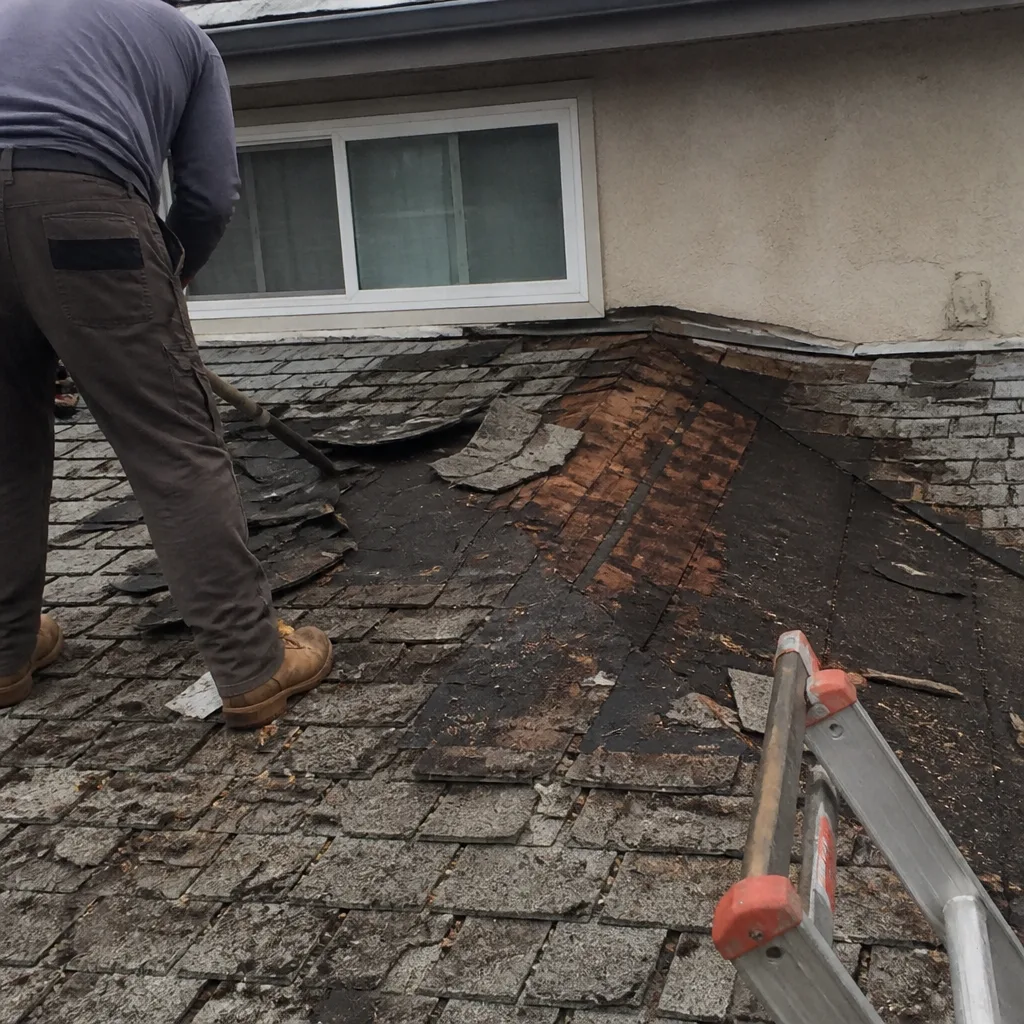 Before
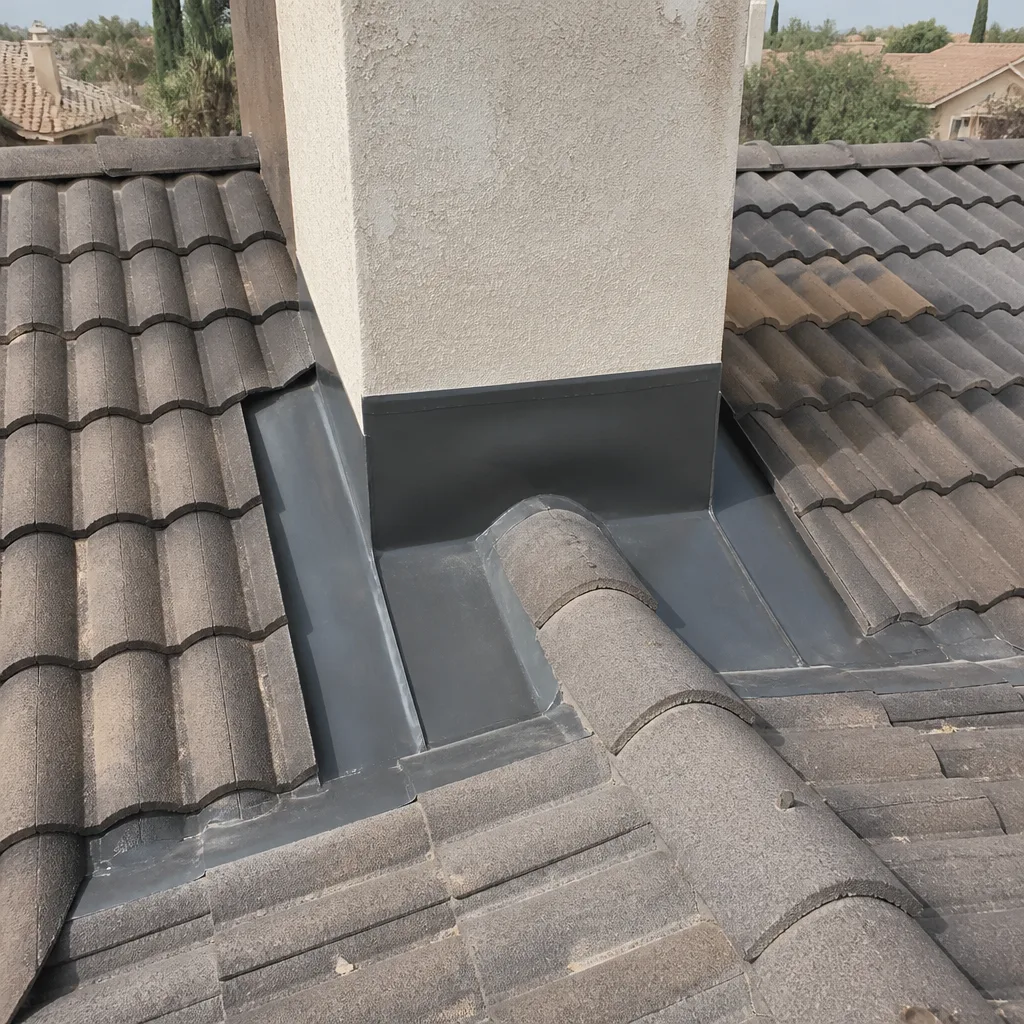 After
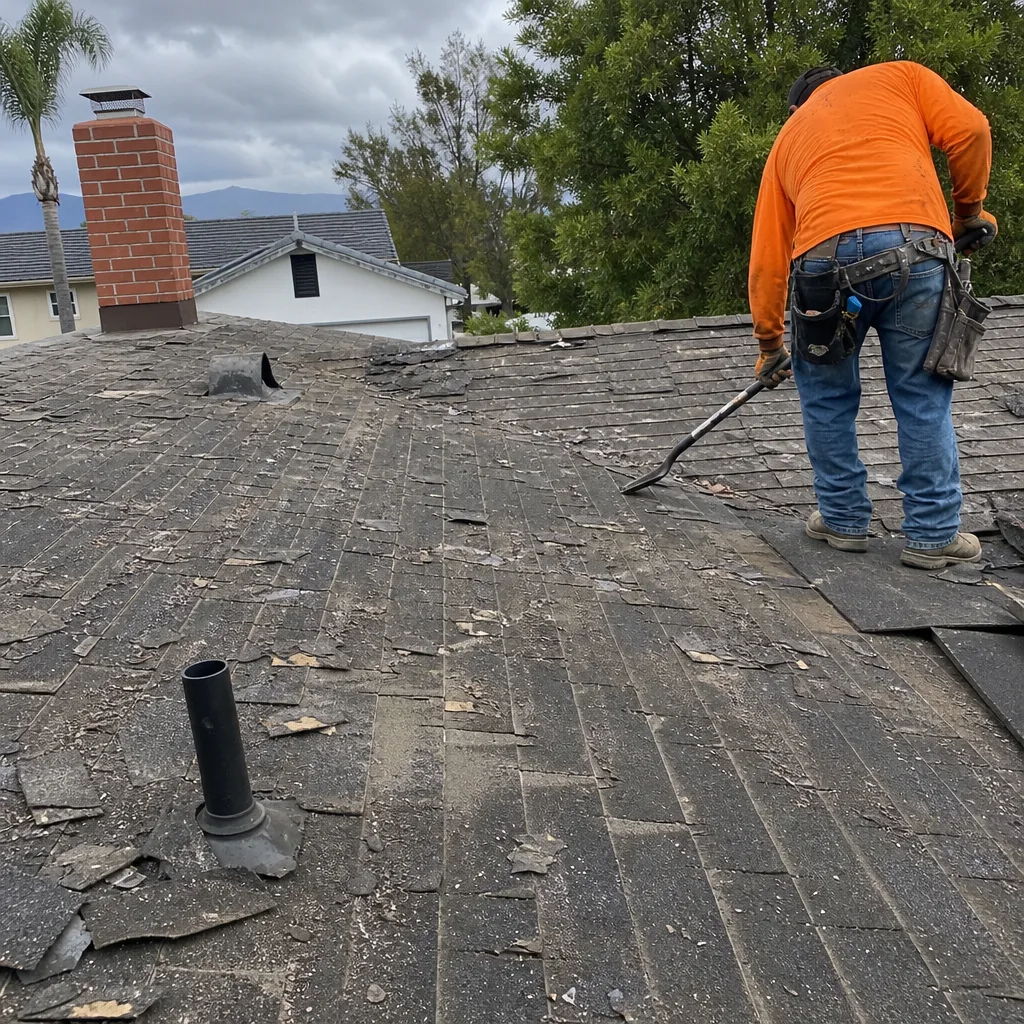 Before
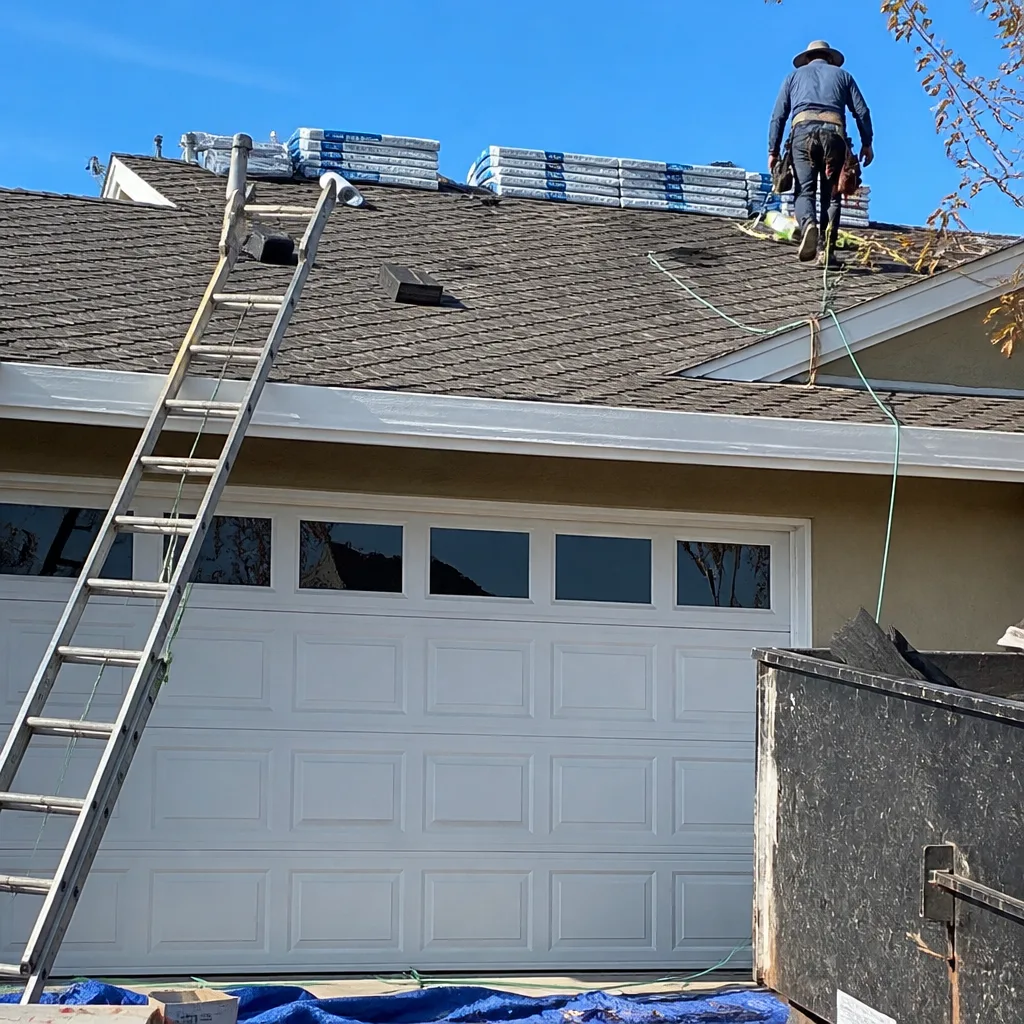 After
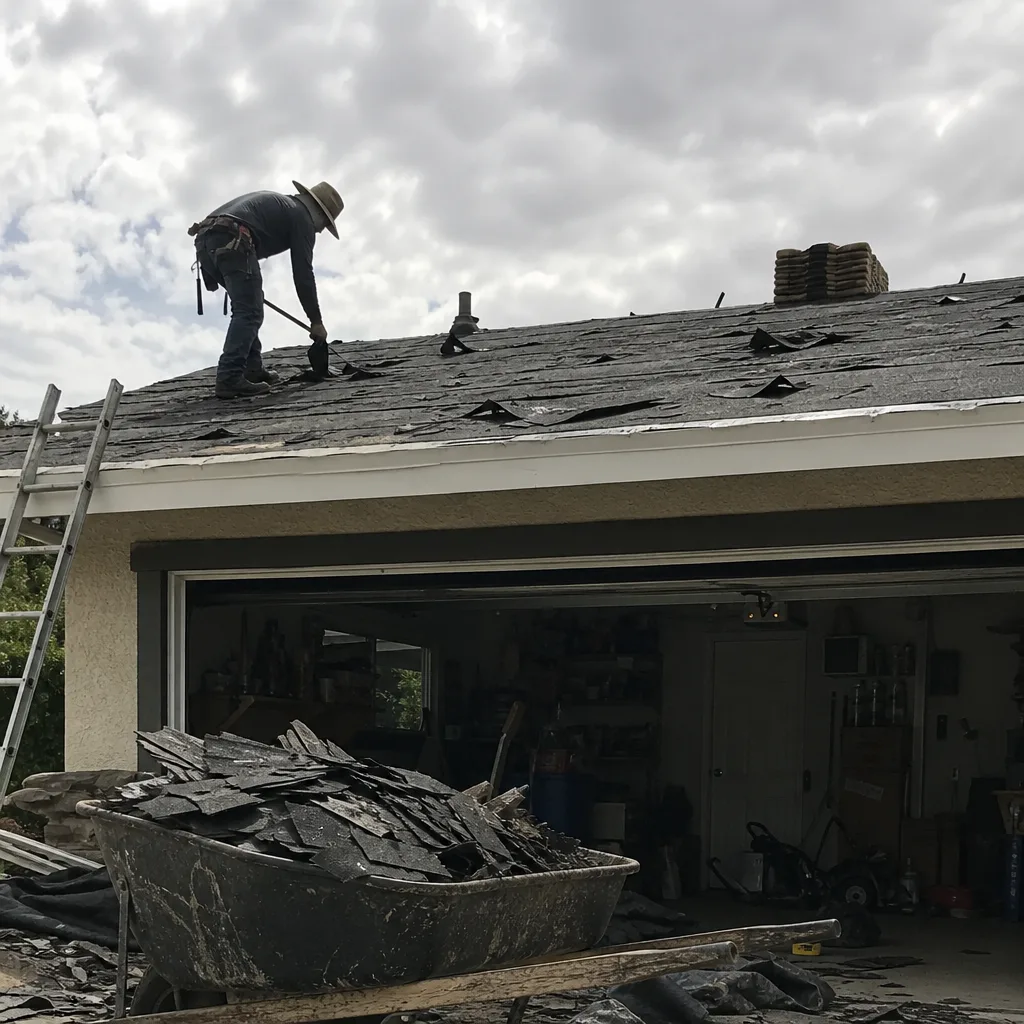 Before
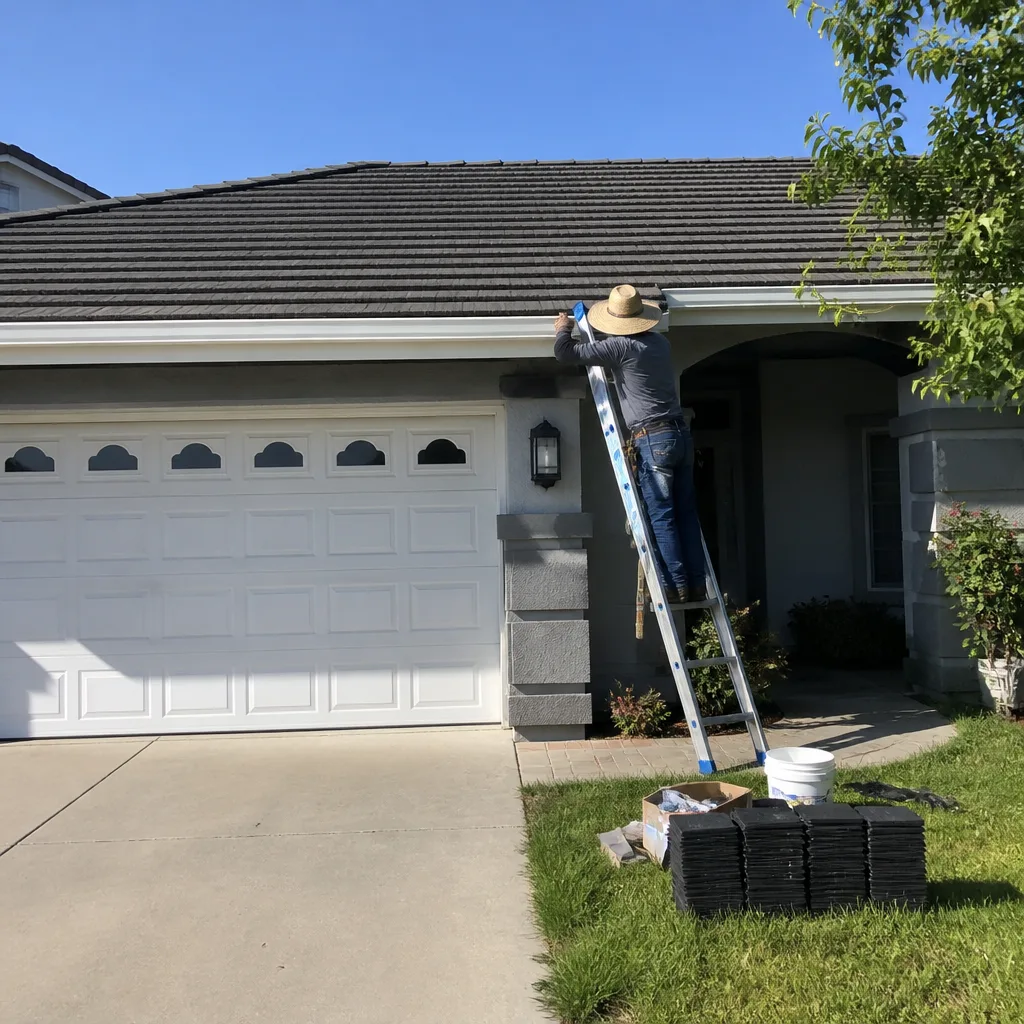 After