
Last updated October 31, 2026
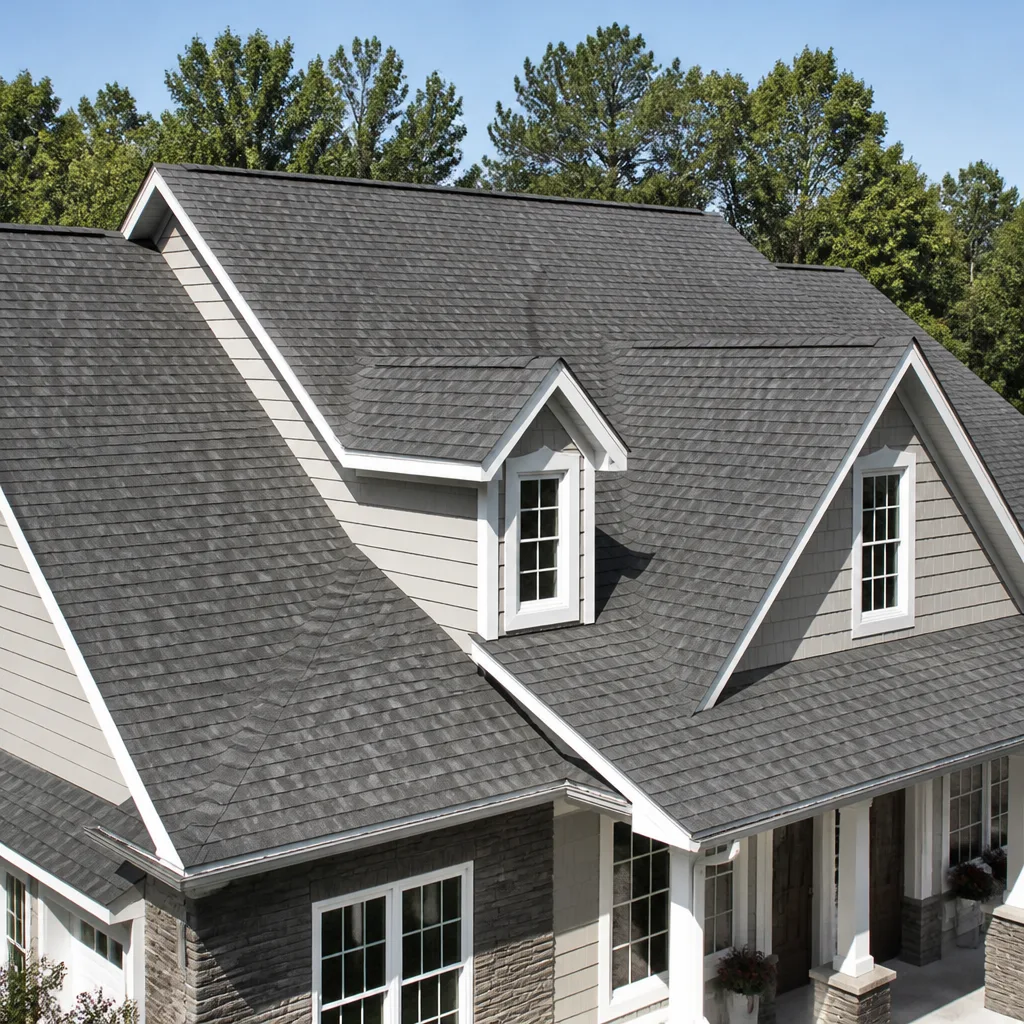 Architectural shingles
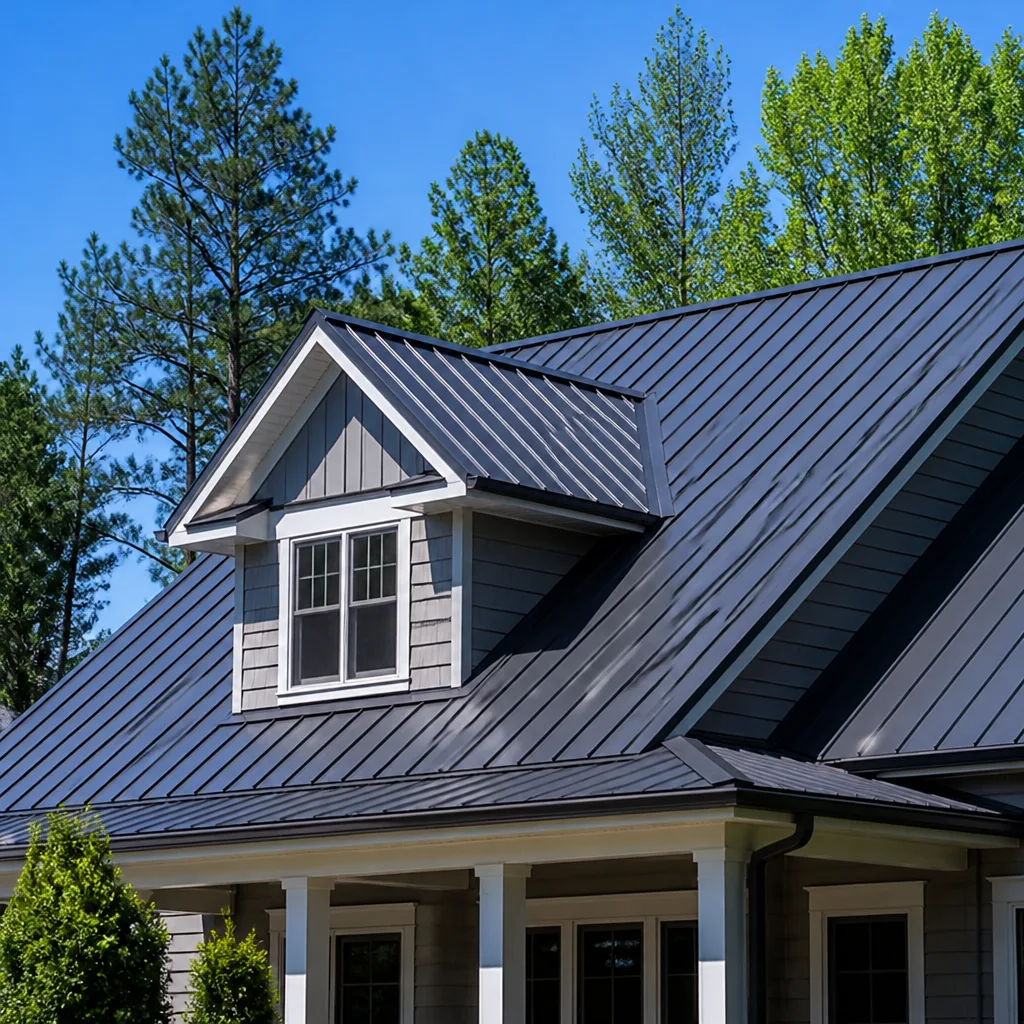 Metal roofing
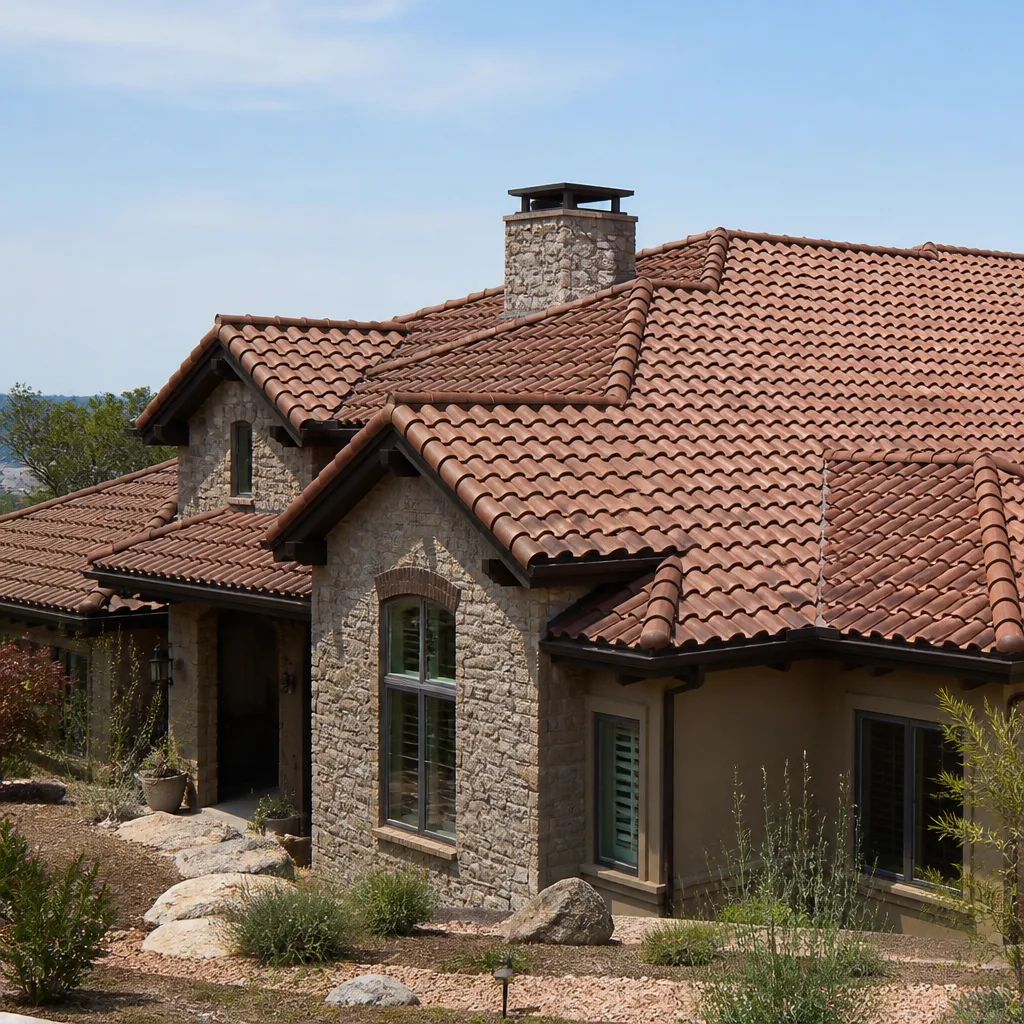 Tile roofing
 GAF
 Owens Corning
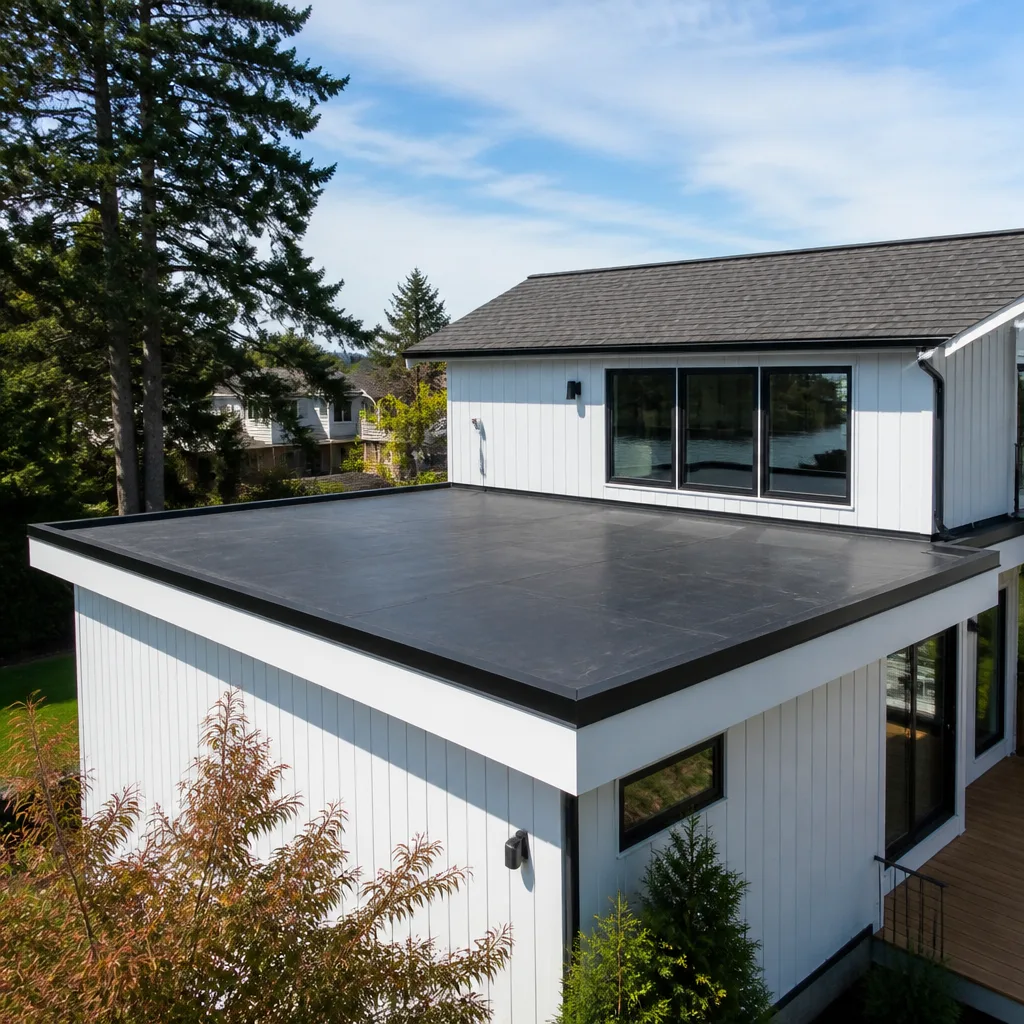 Flat & low-slope
Free roof inspection with deck photos before we talk money - GAF and Owens Corning certified installation
The Complete Roof Repair Guide for Rancho Cucamonga Homeowners
Rancho Cucamonga averages 287 sunny days a year, more than Miami. That statistic sounds like a selling point for outdoor living, and it is. But for your roof, it means something else entirely: relentless ultraviolet radiation, day after day, breaking down shingle adhesives, drying out sealants, and aging materials faster than national roofing guides typically account for. This guide maps every roof repair decision to the specific conditions Rancho Cucamonga roofs actually face, from Santa Ana wind events to Inland Empire thermal cycling, so you can stop applying generic advice to a roof with a very specific set of enemies.
Quick Answer
Roof repair in Rancho Cucamonga should be driven by three local realities: intense UV exposure degrades shingles and sealants faster than in coastal cities, Santa Ana winds create a predictable priority order for post-storm inspections, and the thermal swing between hot days and cool nights causes fastener back-out and ridge cap failures that most repair checklists miss. The right approach is to inspect first, understand exactly what failed and why, then repair only what’s needed using materials matched to Rancho Cucamonga’s wind and sun exposure. For more context, see our DIY vs Professional Roofing: The Rancho Cucamonga Homeowner’s Decision Guide, or call Suncrest Roof Repair at (866) 538-0713 for free inspections and estimates.
Styles & brands we work with
Table of Contents
- Why Rancho Cucamonga’s Climate Wears Roofs Differently
- The Santa Ana Post-Storm Inspection Sequence
- What Roof Repairs Cost in Rancho Cucamonga
- Repair vs. Replace: The Rancho Cucamonga Math
- Material Compatibility for Rancho Cucamonga’s UV and Wind
- Documenting Repairs for San Bernardino County Insurance Claims
- What to Check Yourself and What to Leave Alone
- Signs Your Roof Needs Professional Attention
Why Rancho Cucamonga’s Climate Wears Roofs Differently
Most roofing advice published online is written for a national audience, which means it assumes a climate with regular rain, occasional snow, and moderate sun. Rancho Cucamonga breaks that model. The city sits in the Inland Empire, where summer temperatures routinely climb past 95°F and winter nights can dip into the low 40s. That daily temperature swing, often 30 degrees or more, is the hidden mechanic behind a lot of premature roof failure.
Here’s what happens. During the day, roofing materials expand. Shingles soften, metal flashing warms, and wooden decking absorbs heat. At night, everything contracts. Over thousands of cycles, this thermal movement works fasteners loose. Nails that were driven flush on installation day begin to back out, sometimes by a quarter inch or more. Once a nail head lifts, it creates a small pocket where wind can catch the shingle above it. The shingle tears, water finds the gap, and a leak appears that has nothing to do with the age of the shingle itself.
Ridge caps take the worst of it. The ridge line is the highest point of the roof, fully exposed to direct sun from mid-morning to late afternoon. Ridge cap shingles are bent over the peak, which means the adhesive strip that holds them down is stressed on two planes simultaneously. In Rancho Cucamonga, we regularly see ridge cap cracking on roofs that are only eight to ten years old. The shingles in the field still look fine, but the ridge has given up. That’s a repair pattern you won’t see in coastal cities like Huntington Beach or Long Beach, where the marine layer moderates temperatures and UV exposure.
UV radiation adds a second layer of wear. Shingle manufacturers rate their products for UV resistance, but those ratings assume a national average. A roof in Rancho Cucamonga receives roughly 20 to 30 percent more annual UV than a roof in a cloudier climate at the same latitude. UV breaks down the asphalt in shingles, making them brittle. Brittle shingles don’t seal properly after installation, and they crack when walked on during inspections or repairs. This is why material selection matters more here than in most markets, which we’ll get to later in this guide.
The practical takeaway: if your roof is five years old or older and you haven’t had the ridge caps and fasteners checked, schedule an inspection. The Roof Inspection in Rancho Cucamonga page explains exactly what our inspection covers and what documentation you’ll receive.
The Santa Ana Post-Storm Inspection Sequence
Santa Ana winds are the most predictable roof-damage event in Rancho Cucamonga. They arrive every fall, gusting 40 to 60 mph in normal years and 70 mph or more in severe events. The winds come from the northeast, which matters because most Rancho Cucamonga neighborhoods are oriented north-south, giving the wind a clear shot at the east-facing roof planes.
After a Santa Ana event, homeowners should inspect in a specific order. Wind damage follows a pattern, and if you check in the right sequence, you’ll find problems before they become leaks.
- Check the edges first. Wind enters at the eave line and lifts shingles from the bottom up. Walk the perimeter of your home and look for shingles that are lifted, curled, or missing along the eaves. Pay closest attention to the east and northeast-facing edges.
- Examine the ridge line second. Once wind gets under a shingle at the eave, it travels up the roof deck and exits at the ridge. Ridge caps take the highest wind pressure of any component. Look for cracked, missing, or displaced ridge caps along the peak.
- Inspect penetrations third. Pipe boots, vents, chimneys, and skylights are natural weak points. Wind-driven debris, branches, and even wind-blown grit can crack pipe boots or dislodge vent covers. Check these after the edges and ridge because damage here is often secondary to the main wind path.
- Look for granule loss fourth. After a strong wind event, you may notice granule buildup in gutters or at downspout outlets. Granule loss indicates shingle surface abrasion, which accelerates UV damage even if the shingle stayed in place.
- Document everything before calling a contractor. Take photos of every area of concern, note which direction the wind was blowing, and record the date of the storm. This documentation matters for insurance purposes, and we’ll cover the specifics in the insurance section below.
Most wind damage in Rancho Cucamonga is repairable without a full roof replacement. The key is catching lifted shingles before the next rain event, because a shingle that’s lifted today becomes a leak the first time it rains. For a detailed look at what repairs typically involve, see our Roof Repair in Rancho Cucamonga page.
What Roof Repairs Cost in Rancho Cucamonga
Roof repair pricing in Rancho Cucamonga varies by the type of repair, the roofing material, and the accessibility of the roof. Here’s what homeowners can expect at current market rates.
- Shingle replacement (single shingle): $75 to $150 per shingle, including labor and material
- Shingle replacement (small section, 10-20 shingles): $250 to $600
- Ridge cap repair: $200 to $450 per section, depending on roof height and pitch
- Pipe boot replacement: $150 to $300 per penetration
- Flashing repair (chimney, valley, or wall intersection): $250 to $800, depending on complexity
- Leak repair and sealant application: $300 to $900, including locating the source
- Flat roof patch (torch-down or modified bitumen): $200 to $600 per repair area
These ranges reflect Rancho Cucamonga’s labor market and the premium that comes with working on two-story homes, which are common in neighborhoods like Etiwanda, Victoria Gardens area, and the terraced lots above Foothill Boulevard. Steeper roofs and second-story work carry higher labor costs because of safety equipment requirements and slower work pace.
One pricing factor unique to this market: repair crews in the Inland Empire often quote lower for basic shingle work but charge more for ridge cap and flashing repairs than coastal contractors, because Rancho Cucamonga’s heat makes attic work slower and more physically demanding during summer months.
Every repair we quote includes a written line-item estimate before work begins. The price on the estimate is the price you pay, no change orders, no surprises. Call (866) 538-0713 to schedule a free estimate and see exactly what your repair will cost.
Repair vs. Replace: The Rancho Cucamonga Math
The decision to repair or replace a roof is different in Rancho Cucamonga than in most of the country. National guidelines suggest that if a roof is more than 60 percent worn, replacement makes more sense than continued repairs. That rule of thumb still applies here, but the math shifts because of UV degradation.
Here’s why. A shingle roof in Rancho Cucamonga loses about 25 to 30 percent of its effective lifespan to UV exposure alone. A 30-year architectural shingle in this climate often shows significant granule loss and brittleness by year 15 to 18. If your roof is 12 years old and needs a repair that costs $2,500, the national advice might be to repair and get another five to eight years. But in Rancho Cucamonga, that same repair might only buy you three to four years before adjacent shingles start failing from the same UV-driven brittleness.
That doesn’t mean you should replace early. It means you should run the numbers with local assumptions, not national ones. If a repair buys you three years on a roof that will need replacement by year 15 anyway, the repair costs you $800 per year of service. If a replacement costs $18,000 and lasts 20 years with proper materials, the replacement costs $900 per year. The numbers get close enough that material quality and your long-term plans for the home become the deciding factors.
Our approach is repair-first, but we’re honest about when repair is throwing good money after bad. We inspect before we prescribe, and we explain what we find before we touch a thing. If you’re weighing repair against replacement, our Roof Replacement in Rancho Cucamonga page walks through material options and timelines without any sales pressure.
Material Compatibility for Rancho Cucamonga’s UV and Wind
Not all shingles handle Rancho Cucamonga’s conditions equally. The two metrics that matter most here are UV resistance and wind uplift rating. If a shingle line underperforms on either, you’ll see premature granule loss or wind-related edge lifting.
Among the major brands we work with, GAF, CertainTeed, and Owens Corning each offer product lines that perform well in high-UV, high-wind inland climates. The key is matching the specific product line to your roof’s exposure, not just picking a brand name.
For homes on north-south oriented streets with strong east-side wind exposure, a shingle with a 130 mph wind rating or better is the smart choice. CertainTeed’s Landmark series and GAF’s Timberline HDZ line both offer products with wind ratings in that range when installed with the full manufacturer’s nailing pattern and adhesive system. Owens Corning’s Duration series carries similar ratings and also holds up well to UV because of its granule density.
For homeowners who want maximum UV resistance, architectural shingles with high granule embedment depth are the best asphalt option. Boral tile and concrete tile roofs, common in the higher-end neighborhoods east of Haven Avenue, offer superior UV resistance but require specific underlayment and flashing details to handle Santa Ana winds. Tile roofs that weren’t installed with wind-resistant underlayment can fail underneath the tile, where you can’t see the damage until it leaks.
Because we work with seven major brands, GAF, CertainTeed, Owens Corning, IKO, Atlas, Tamko, and Boral, our material recommendations are driven by fit, not by what’s sitting in the warehouse. Your roof, your budget, your choice of material. We’ll explain the trade-offs between product lines in plain English and let you decide.
Documenting Repairs for San Bernardino County Insurance Claims
San Bernardino County homeowners face a specific insurance environment. The county has seen elevated wildfire risk classifications in recent years, which has led some insurers to tighten underwriting standards and scrutinize roof claims more closely than in neighboring counties. That means documentation matters more here than it did five years ago.
If you’re filing an insurance claim for storm damage or sudden roof failure, here’s how to document it properly.
- Date and time-stamp everything. Take photos the same day you notice damage. Insurance adjusters look for evidence that the damage was sudden and accidental, not gradual wear and tear. The sooner you document, the stronger your claim.
- Photograph from multiple angles. Wide shots showing the entire roof plane, medium shots showing the specific damage area, and close-ups showing the failure point. Adjusters need context to approve partial repairs.
- Keep weather records. Note the date of the last Santa Ana wind event, hail storm, or heavy rain. The National Weather Service maintains records for Rancho Cucamonga, and your claim will be stronger if you can tie the damage to a specific dated event.
- Get a written inspection report before calling your insurer. A professional inspection that documents the extent of damage and recommends a repair scope gives your adjuster a reference point. It also prevents the insurer from underestimating the repair scope.
- Save all repair documentation. If you repair before the claim is settled, keep every receipt, photo, and the contractor’s written description of what was repaired and why. Insurers may still reimburse for completed repairs if the documentation is solid.
We provide documented inspection reports with every service. If you’re filing a claim, the report gives you and your adjuster a shared starting point for the conversation.
What to Check Yourself and What to Leave Alone
There are things a homeowner can safely check, and things that should be left to a trained professional. The line between the two is drawn by the pitch of your roof and the height of your ladder.
Safe to check from the ground: Look for missing shingles, lifted edges, visible cracks at the ridge line, and granule buildup in gutters. Use binoculars if you have them. Check for water stains on ceilings and walls inside the house, especially after rain. Look at the attic for daylight coming through the roof deck or dark streaks indicating past water intrusion.
Safe to check from a ladder: If you have a single-story home with a low-pitch roof, you can visually inspect the eave line and the first few feet of roof surface from a properly secured ladder. Never step onto the roof itself. You can check gutters for granule accumulation and remove debris if you can reach it safely.
Leave to a professional: Any roof walk on a two-story home, any roof with a pitch steeper than 6/12, any repair involving flashing, vallies, pipe boots, or ridge caps, and any roof inspection after storm damage. Falls from roofs cause thousands of serious injuries every year. A trained roofer has the safety equipment and the experience to identify problems that aren’t visible from the edge.
High-tension situations, like a leaking roof over an electrical panel or a sagging area that indicates structural damage, need a professional immediately. Don’t poke, probe, or attempt temporary patches in those conditions. The cost of a professional inspection is far less than the cost of an injury or an electrical hazard.
Signs Your Roof Needs Professional Attention
Some roof problems announce themselves. Others develop quietly and only become obvious once the damage is extensive. Here are the specific signs that say it’s time to call a professional in Rancho Cucamonga.
- Granules in the gutters every time it rains. A small amount is normal for a younger roof. Consistent granule loss across multiple cleanings indicates UV-driven shingle breakdown that will accelerate.
- Visible ridge cap cracking. If you can see missing or cracked ridge caps from the ground, you’re likely seeing the result of years of thermal cycling. The field shingles may still look fine, but the ridge is the early warning system.
- Water stains on ceilings after Santa Ana wind events followed by rain. Wind damages shingles, then rain takes advantage. If you see stains after a fall or winter storm, the wind likely lifted something.
- Fastener pops visible from the attic. Look for nails that appear to be backing out of the roof deck. This is the thermal cycling signature and it means the roof’s fastener system is compromised.
- Light visible through the roof deck in the attic. If you can see daylight from inside your attic, you have a penetration that will leak in the next rain.
- Curling or lifted shingle edges visible from the ground. Shingles that curl at the corners have lost their adhesive bond. They’re one strong wind event away from becoming wind-driven missiles.
Any of these signs warrants a professional inspection. The earlier you catch a problem, the cheaper the repair. Suncrest Roof Repair offers free estimates in Rancho Cucamonga, call (866) 538-0713 to schedule yours.
Common Mistakes to Avoid
- Applying generic repair advice to a Rancho Cucamonga roof. National guides don’t account for 287 sunny days a year or the thermal cycling that backs out fasteners here. Your repair decisions need local context.
- Ignoring ridge cap damage because the field shingles look fine. The ridge fails first in this climate. By the time the field shingles show problems, the roof has been compromised for years.
- Waiting until after rain to inspect for wind damage. After a Santa Ana event, the window to document and repair wind damage is short. Once it rains, the leak is already doing structural damage.
- Choosing shingles based on price alone. A budget shingle with weak UV resistance will fail years earlier in Rancho Cucamonga than its rating suggests. Material choice is the single biggest factor in repair longevity here.
- Filing an insurance claim without documentation. San Bernardino County insurers scrutinize roof claims more closely than in past years. Photos, weather records, and a professional inspection report make the difference between approval and denial.
- Walking on a steep or two-story roof to inspect damage yourself. Falls are the leading cause of roofing-related injury. If you can’t see it from the ground or a ladder, call a professional.
- Deferring small repairs because they’re ‘not that bad.’ In this climate, small problems compound quickly. A lifted shingle becomes a leak, a leak becomes deck rot, and deck rot turns a $300 repair into a $6,000 replacement.
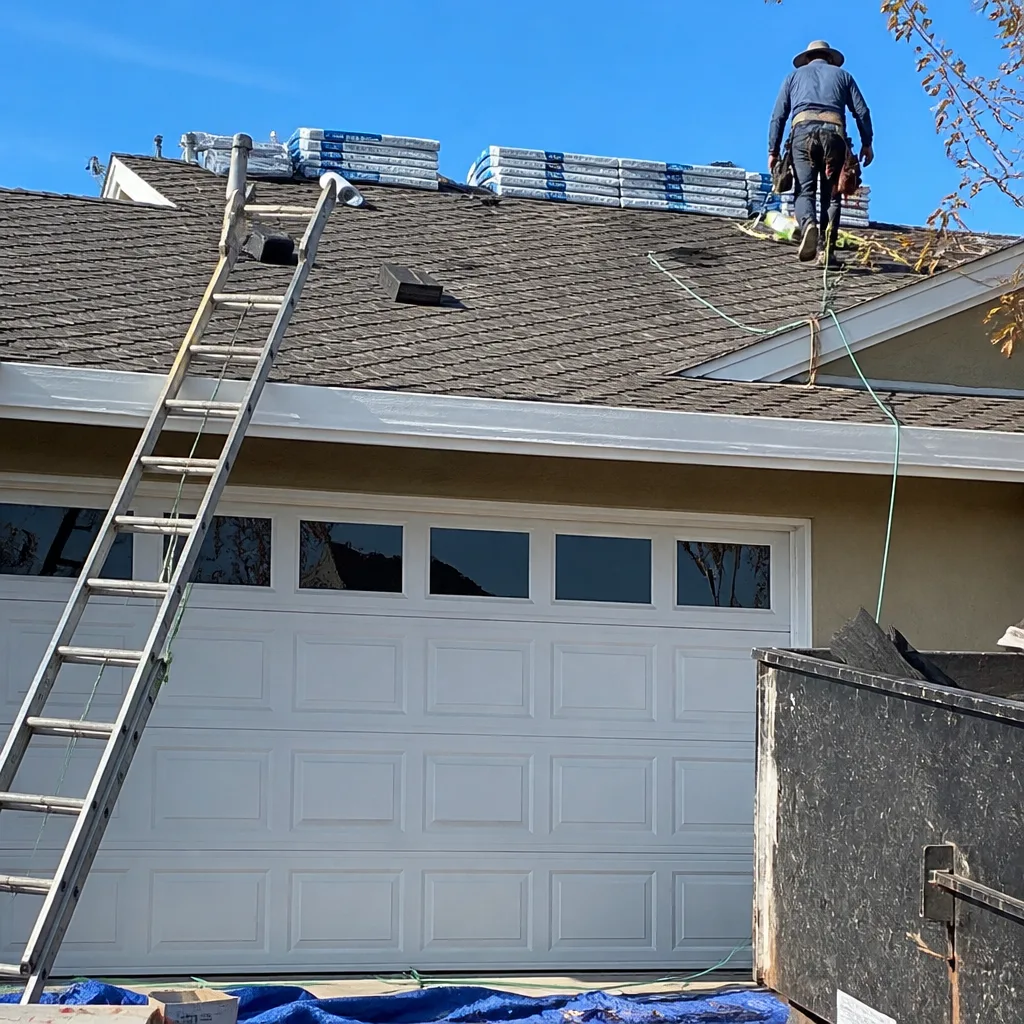
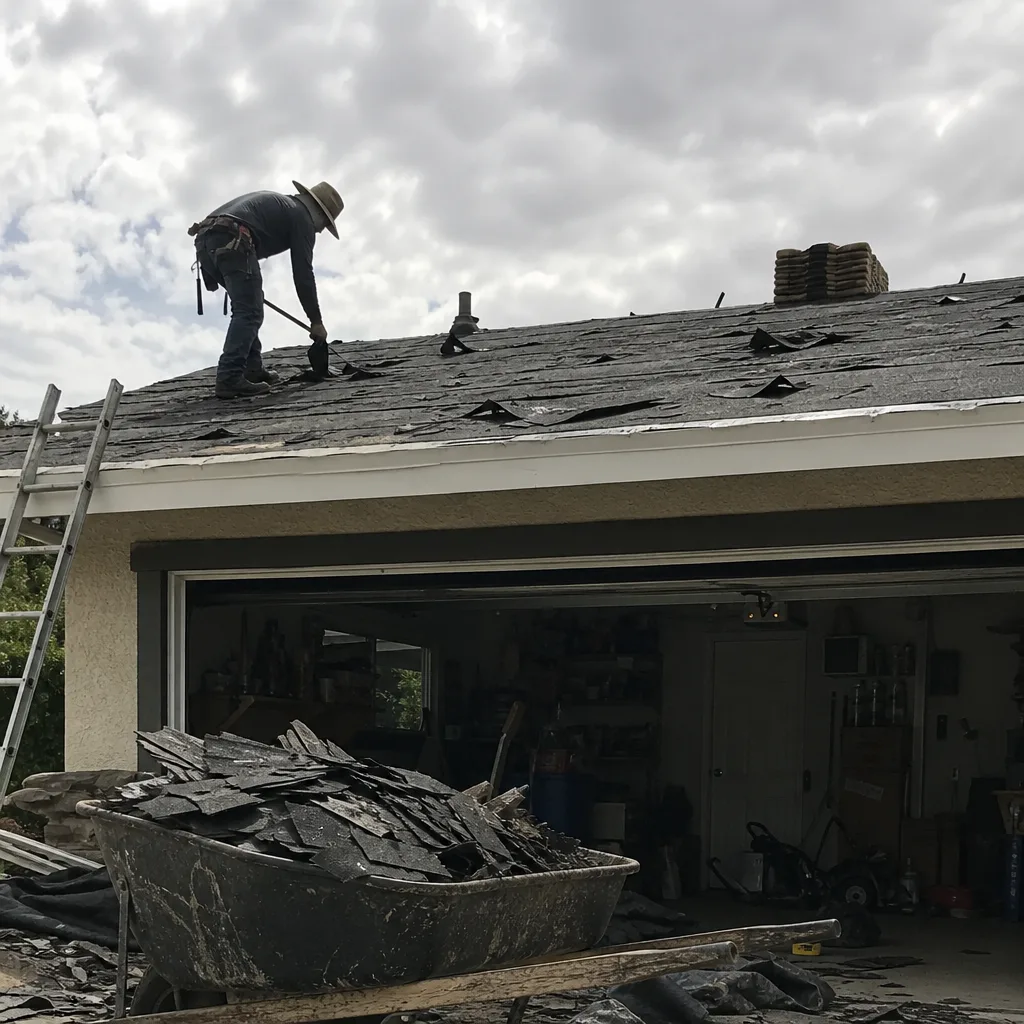
See the difference
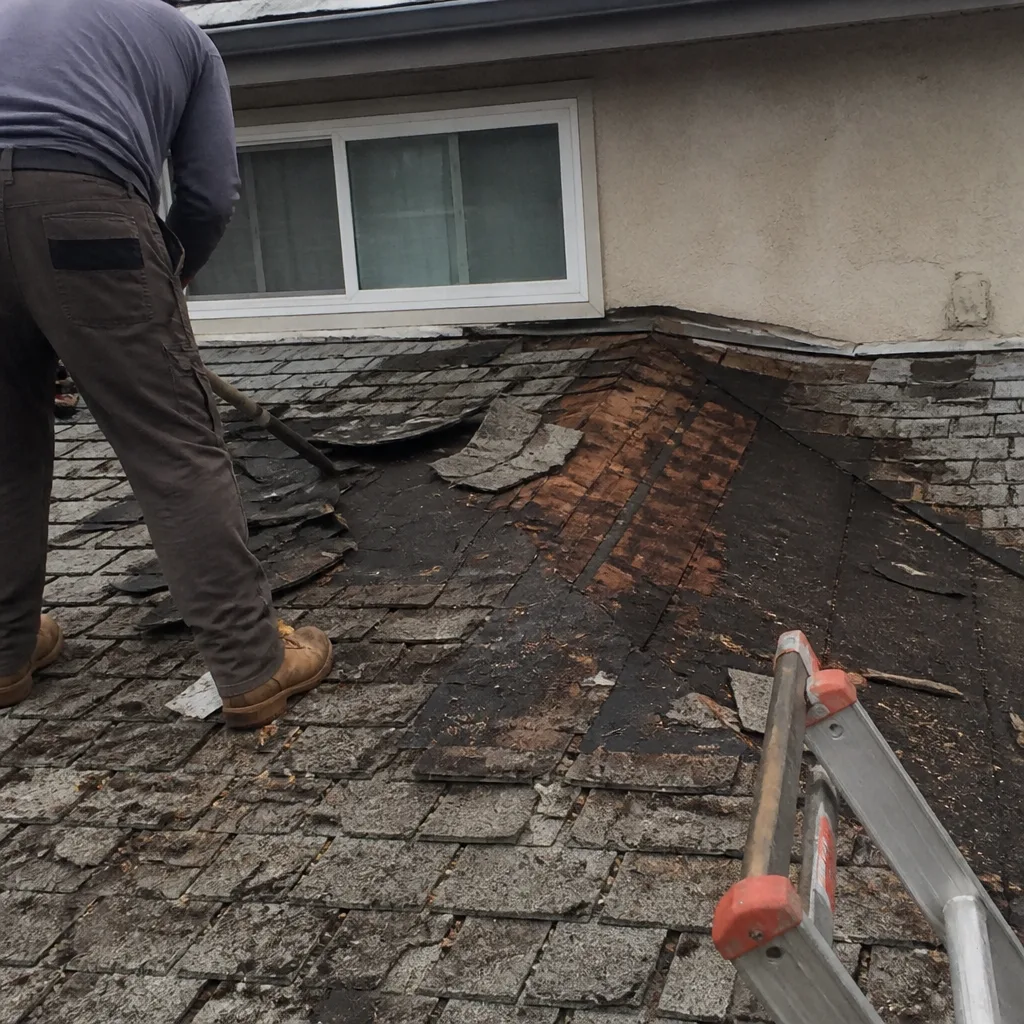 Before
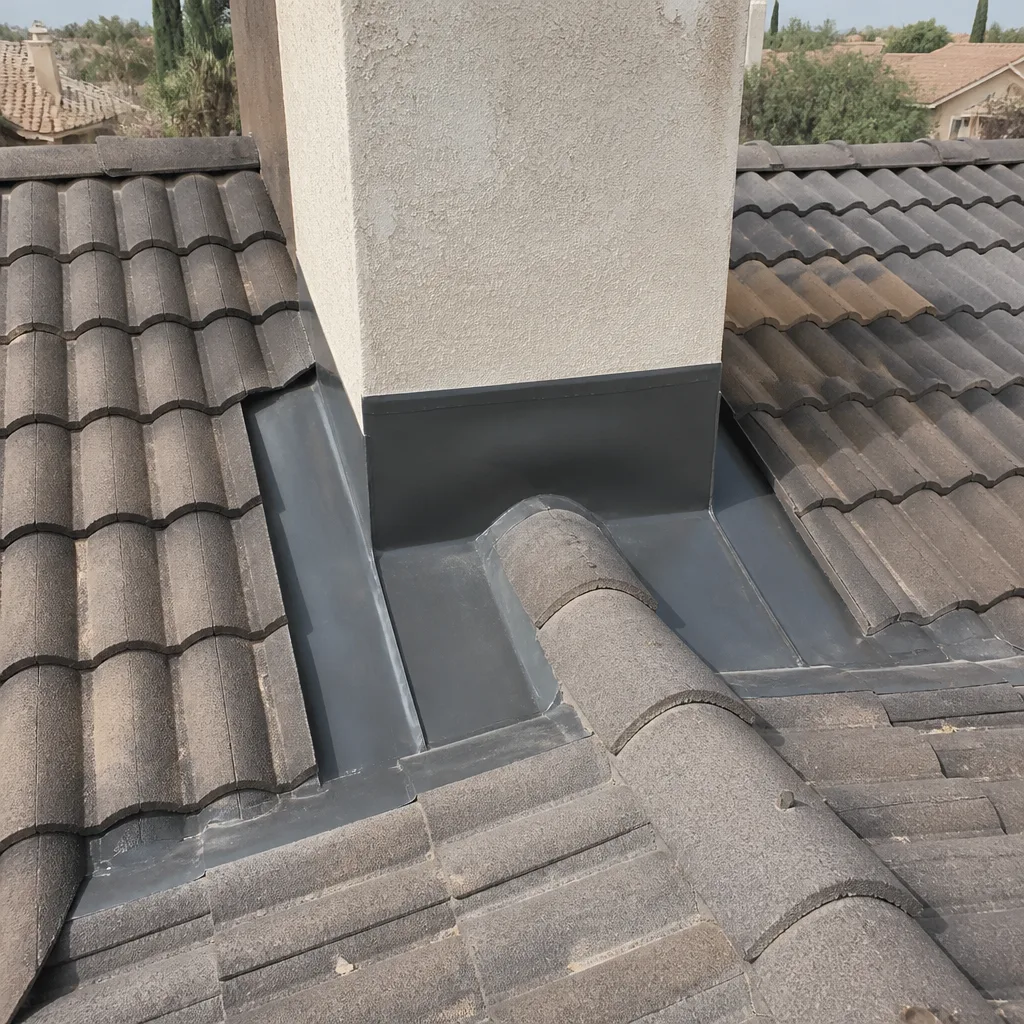 After
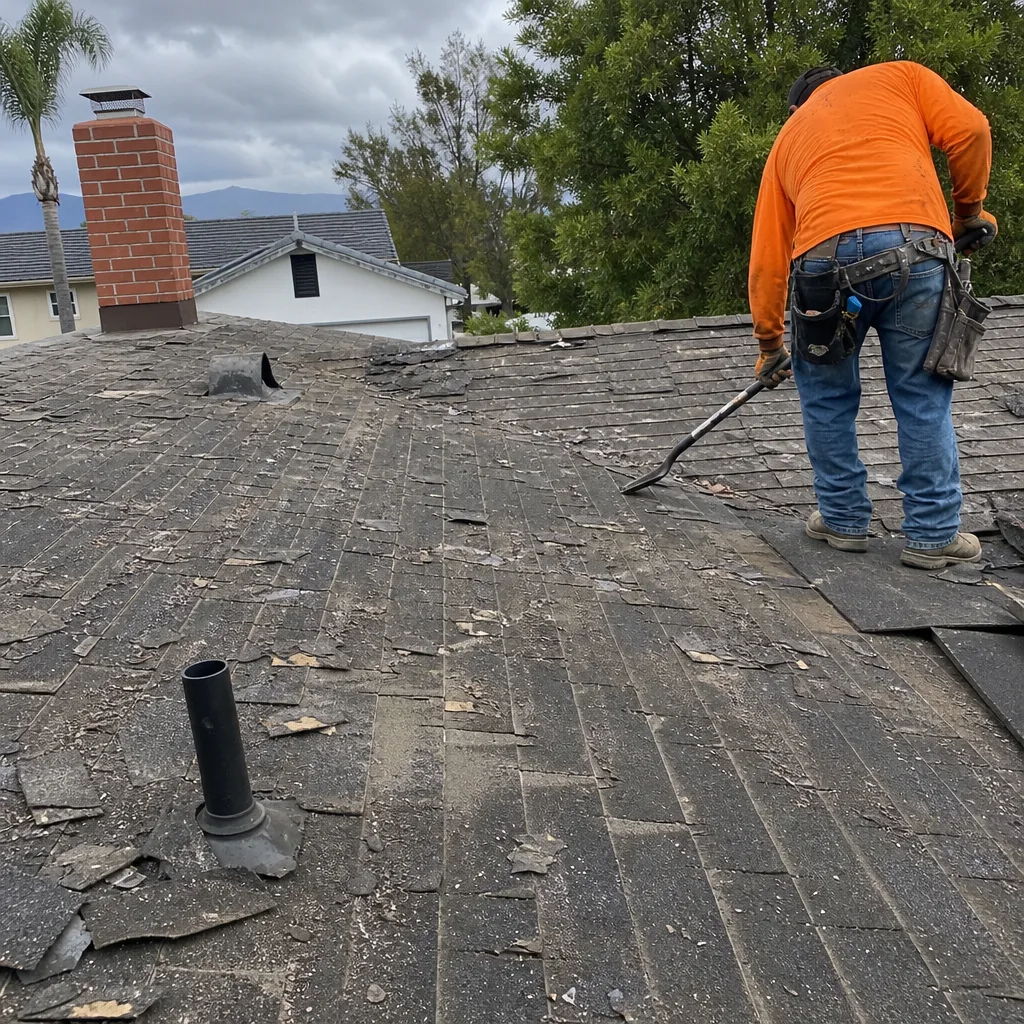 Before
 After
 Before
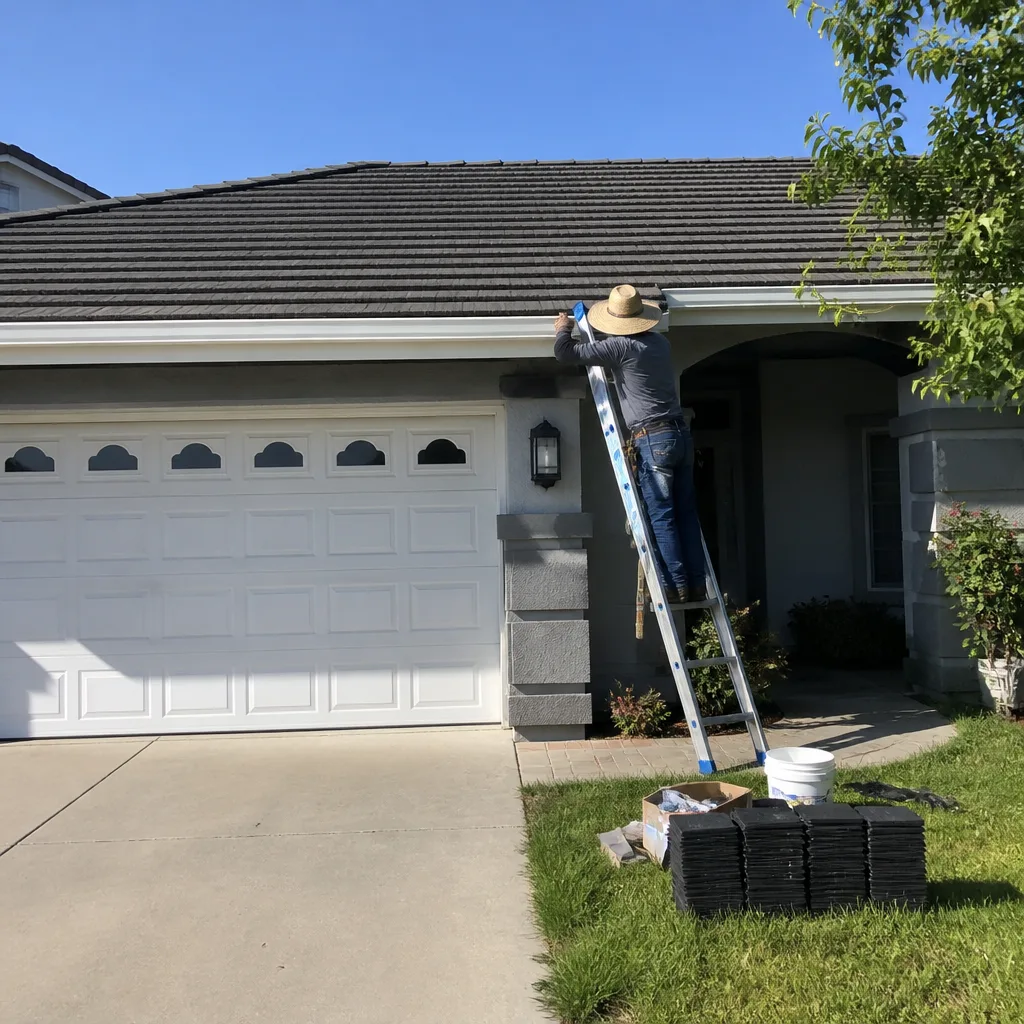 After
When to Call a Professional
Call a professional roofer when you see any of the warning signs listed above, when you need an inspection before buying or selling a home, when you’re preparing an insurance claim and need documented evidence, or when your roof is over ten years old and hasn’t been inspected in the last three years. A professional inspection costs less than almost any repair, and it gives you a clear picture of what your roof needs and what it doesn’t; see our How to Hire a Roofing Contractor in Rancho Cucamonga: A Step-by-Step Guide for what to look for. Suncrest Roof Repair offers free estimates in Rancho Cucamonga, call (866) 538-0713. Seven leading brands, one honest recommendation. We inspect first, repair or replace only what’s needed, and explain what we find before we touch a thing.
Frequently Asked Questions
Roof repair in Rancho Cucamonga typically costs between $75 and $900 depending on the repair type, with simple shingle replacements at the low end and complex flashing work at the high end. Most homeowners pay between $250 and $600 for a typical repair. Call (866) 538-0713 for an exact quote, estimates are free.
Due to the intense UV exposure and thermal cycling in Rancho Cucamonga, roofs should be inspected every two to three years after year five, and annually after year ten. The thermal expansion and contraction causes fastener back-out that only a professional inspection can catch early.
Santa Ana wind damage can qualify for insurance claims if you can document that the damage was sudden and tied to a specific wind event. Photos taken the same day, National Weather Service records for the date, and a professional inspection report will strengthen your claim significantly.
Ground-level inspection and simple gutter cleaning are fine for homeowners. Any repair that requires walking on the roof, especially on two-story homes or steep pitches common in neighborhoods like Etiwanda, should be left to professionals. The risk of injury far outweighs the cost savings.
Concrete tile and clay tile roofs from Boral offer the best UV resistance in Rancho Cucamonga, followed by high-quality architectural asphalt shingles from GAF, CertainTeed, and Owens Corning with high granule embedment and wind ratings of 130 mph or better.
No. We provide written line-item estimates before any work begins, and the price is fixed. If we discover additional issues during the repair, we’ll stop work, explain what we found, and get your approval before proceeding. No change orders, no surprises.
The Bottom Line
Rancho Cucamonga roofs face a specific set of stressors that generic roofing advice doesn’t address. Intense UV radiation shortens shingle lifespan, daily thermal cycling backs out fasteners and cracks ridge caps, and Santa Ana winds create predictable damage patterns that demand a specific inspection sequence. The right approach is to inspect first, understand what failed and why, and repair or replace based on local conditions, not national averages. Choose materials rated for high UV and high wind, document everything for insurance, and don’t defer small repairs in a climate where small problems compound quickly. Suncrest Roof Repair provides the full lifecycle, from Suncrest Roof Repair home inspection to Roof Inspection in Rancho Cucamonga to repair and replacement, with seven leading brands and one honest recommendation.
Written by the team at Suncrest Roof Repair, serving Rancho Cucamonga since 2015. Explore more guides & resources.