Last updated October 31, 2026
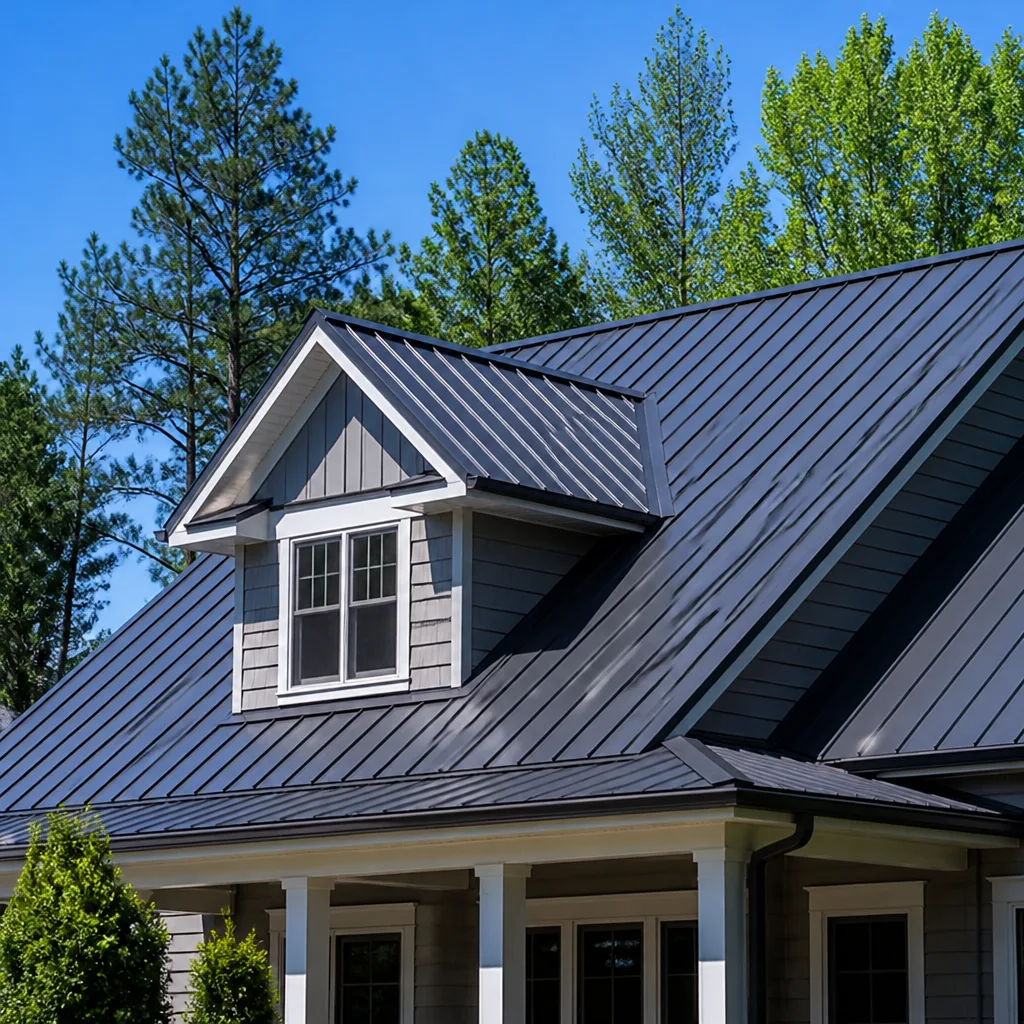 Metal roofing
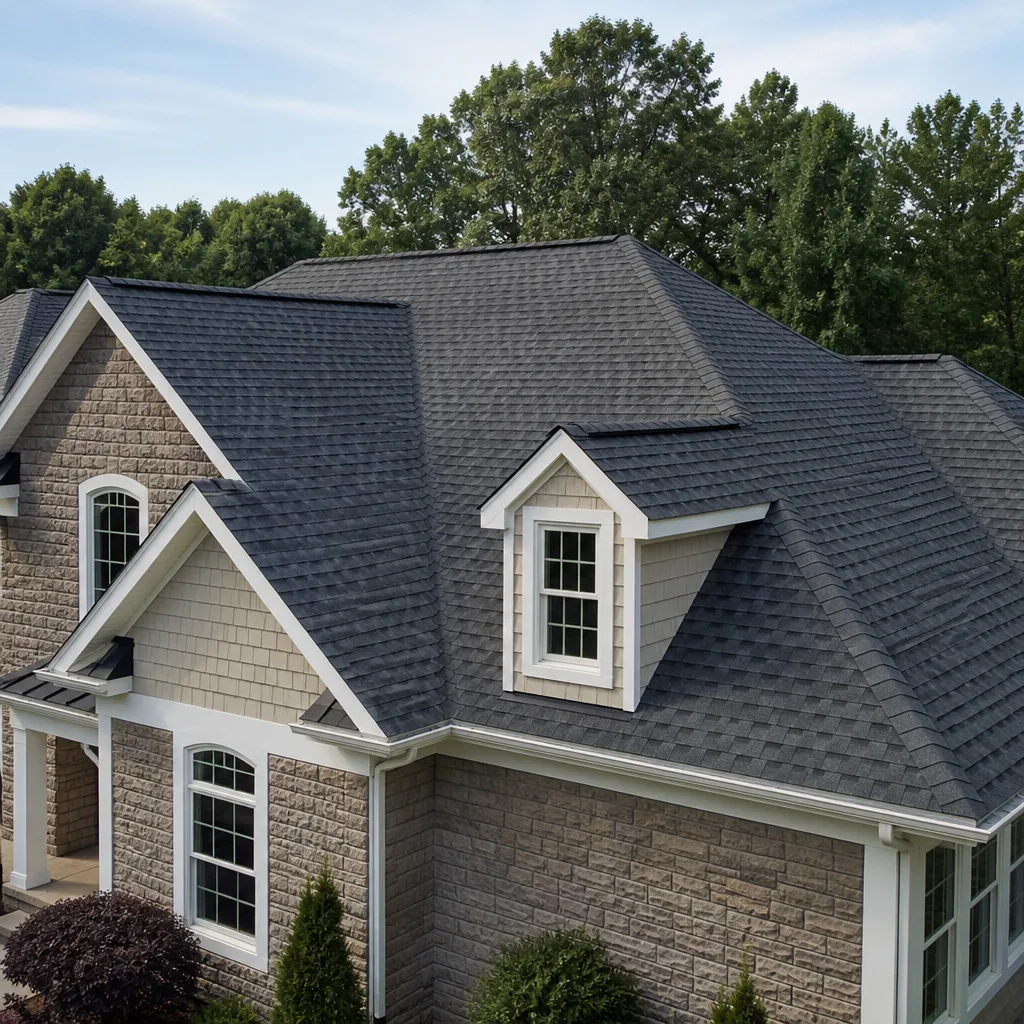
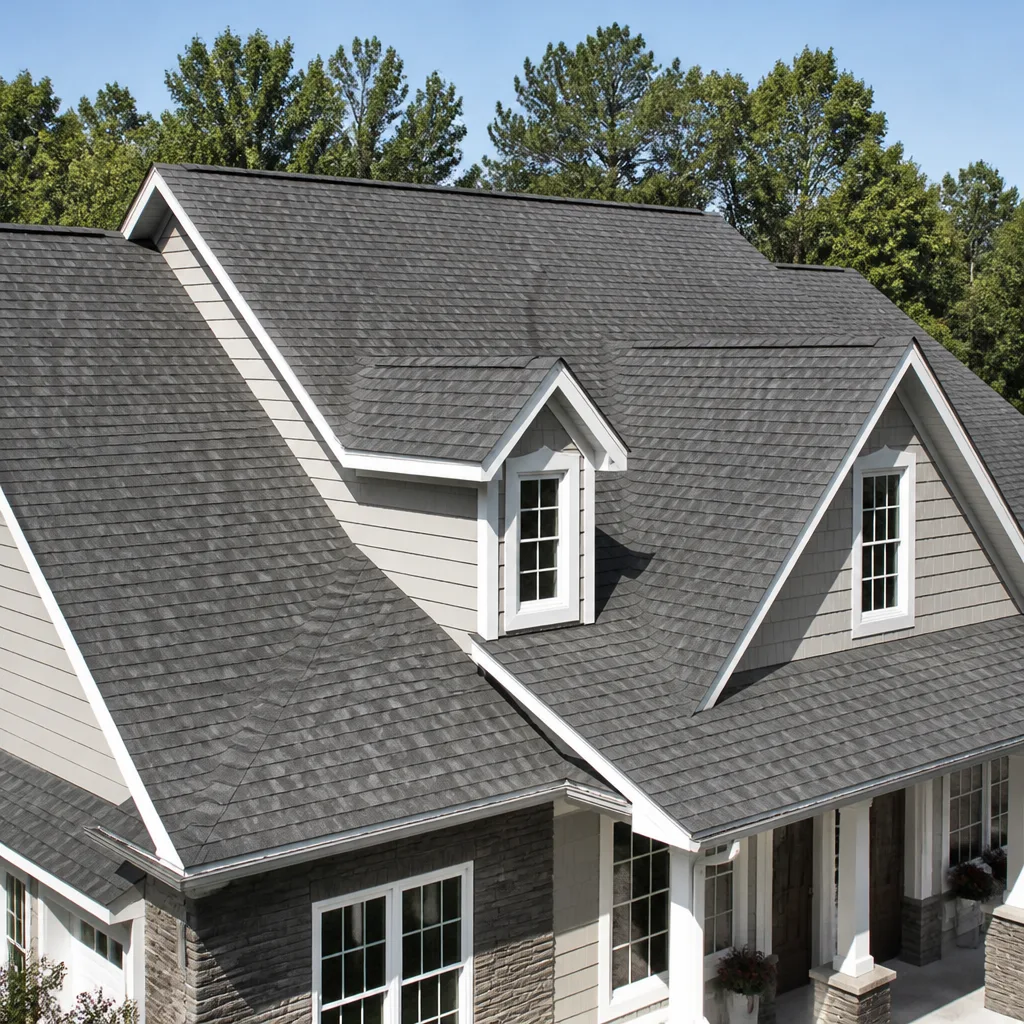 Architectural shingles
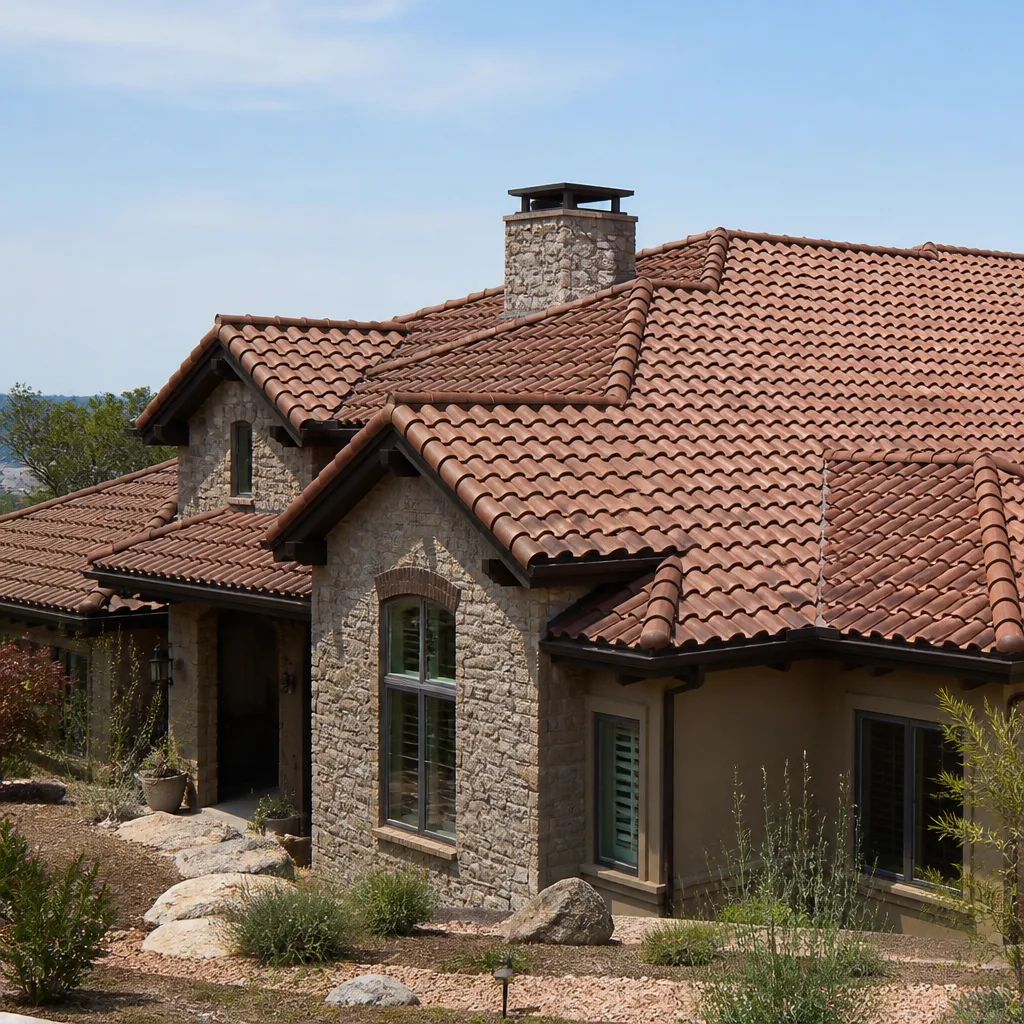 Tile roofing
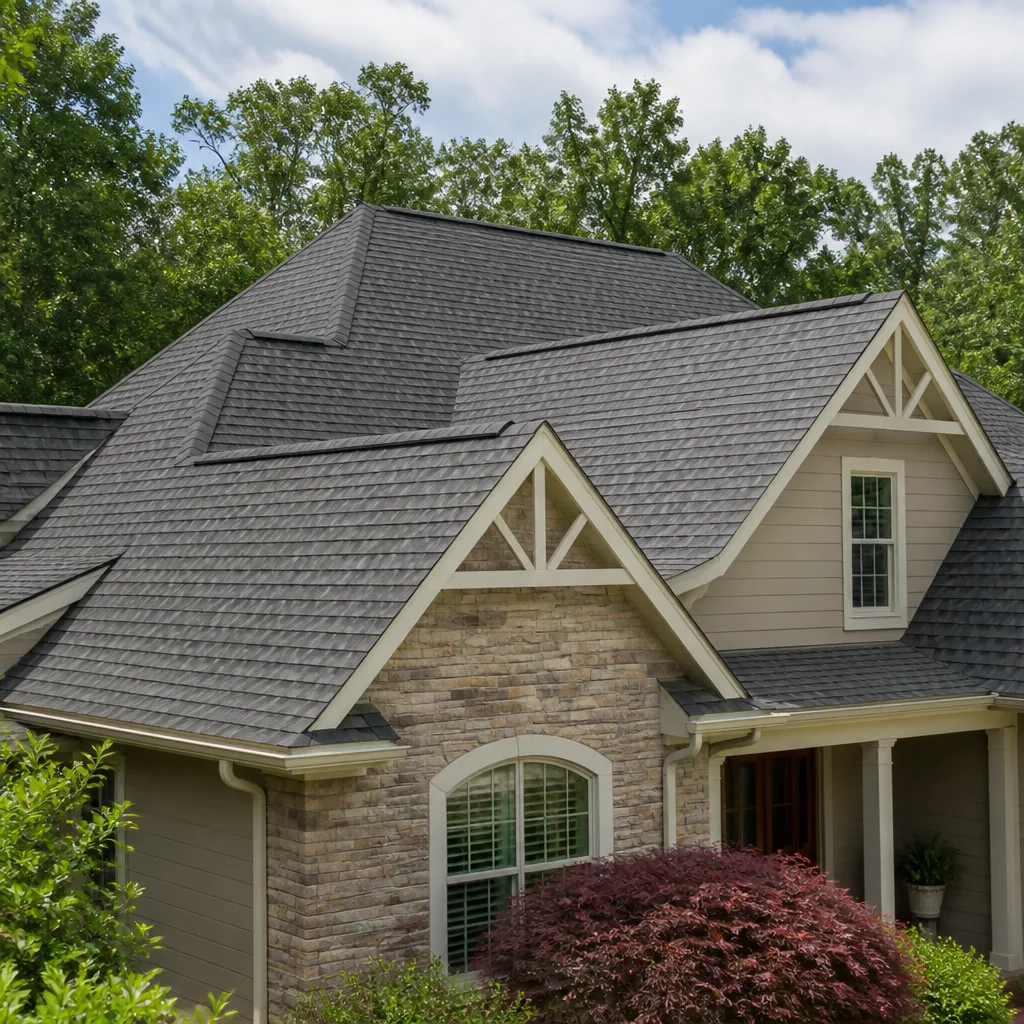
 GAF
 Owens Corning
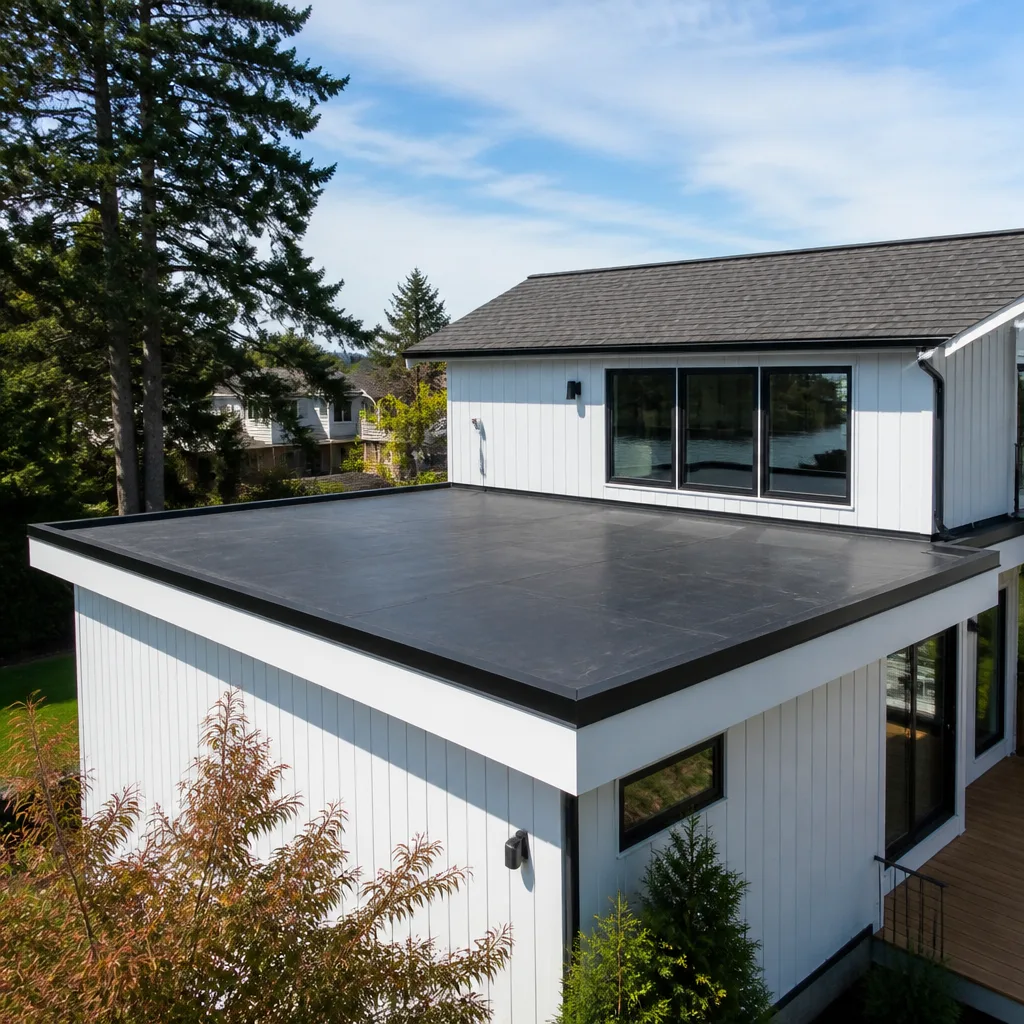 Flat & low-slope
Free roof inspection with deck photos before we talk money - GAF and Owens Corning certified installation
How to Hire a Roofing Contractor in Rancho Cucamonga: A Step-by-Step Guide
California’s Contractors State License Board database lists tens of thousands of active roofing licenses. But an active license doesn’t tell you whether a contractor carries workers’ compensation insurance that actually covers a crew on your roof, whether their bond limit matches your project size, or whether they’ve ever pulled a permit in San Bernardino County. Most homeowners in Rancho Cucamonga never check past the first page of a license record. This guide walks through the verification steps that separate a contractor who will stand behind their work five years from now from one who won’t return your call after the first rain. You’ll learn exactly what documents to request, what questions to ask, and how to structure a contract so the material brand and warranty terms are written obligations, not promises made over a handshake.
Styles & brands we work with
Quick Answer
To hire a roofing contractor in Rancho Cucamonga, verify their California C-39 roofing license on the CSLB website and review the license history tab for violations, request three insurance documents (general liability, workers’ compensation, and commercial auto), confirm they pull permits through San Bernardino County for full replacements, and write the contract so it names the specific shingle brand, product line, and warranty registration terms. A legitimate contractor will volunteer this paperwork without hesitation. If any document “can’t be found right now,” that’s your answer.
Table of Contents
- Step 1: Verify the C-39 License and Read the History Tab
- Step 2: Request Three Insurance Documents (Not Just a Certificate)
- Step 3: Understand Rancho Cucamonga and San Bernardino County Permit Habits
- Step 4: Spot Post-Storm Red Flags Before They Knock
- Step 5: Structure the Contract So Brands and Warranties Are Obligations
- Step 6: Ask Questions That Reveal Inland Empire Climate Knowledge
- Step 7: Compare Bids Without Falling for the Lowest Number
- Common Mistakes to Avoid
- When to Call a Professional
- Frequently Asked Questions
- The Bottom Line
Step 1: Verify the C-39 License and Read the History Tab
The first step when hiring any roofing contractor in Rancho Cucamonga is checking the California Contractors State License Board database at cslb.ca.gov. You’re looking for a C-39 roofing classification specifically. A general building contractor (B license) can legally take on some roofing work, but a C-39 holder has passed a trade-specific exam and maintains that specialty designation. Here’s exactly what to do:
- Search the license number or business name on the CSLB’s “Check a License” tool. The license number should be printed on the contractor’s business card, truck, and any estimate they give you. If they won’t provide the number before visiting your home, that’s the first red flag.
- Confirm the status says “Active” and the classification includes C-39 Roofing. A license that’s “Inactive,” “Expired,” or “Suspended” is not legally able to perform roofing work in California, period.
- Open the license history tab. This is where most homeowners stop and where the real information lives. The history tab shows every complaint filed against that license, any disciplinary actions, suspensions, or citations, and whether the bond has ever been paid out to a homeowner. A clean history tab is what you want. One or two resolved complaints from years ago may not be disqualifying, but a pattern of citations or an active suspension is.
- Check the business name and personnel listed. Make sure the person you’re speaking with is actually listed as an officer, owner, or RME (responsible managing employee) on the license. Some unlicensed salespeople borrow a license number that belongs to someone else entirely.
- Note the bond amount shown on the record. California requires a $25,000 contractor license bond, but many roofing companies carry higher limits. For a full roof replacement on a large Rancho Cucamonga home, a $25,000 bond may not cover your project cost if something goes catastrophically wrong. Ask whether they carry a higher bond or additional performance bonds for larger jobs.
In our experience, the contractors who hesitate at this step are the ones you don’t want. A legitimate Rancho Cucamonga roofer will write their license number on the estimate without being asked and will walk you through the CSLB record if you want. Suncrest Roof Repair home maintains current licensing and makes the verification process straightforward because we’d rather you check than wonder.
Step 2: Request Three Insurance Documents (Not Just a Certificate)
Insurance is where homeowners get burned most often in Rancho Cucamonga. A contractor hands over a certificate of insurance and everyone moves on. But certificates get cancelled, coverage lapses mid-project, and certain policies exclude roofing work specifically. You need to request three separate documents and verify them with the issuing insurance company:
- General liability insurance. This covers damage to your property caused by the contractor’s work. Request a minimum of $1 million in general liability coverage. Call the insurance company listed on the certificate and ask them to confirm the policy is active and that roofing operations are not excluded. Yes, you can make this call. It takes five minutes.
- Workers’ compensation insurance. This is non-negotiable if anyone other than the owner will be on your roof. In California, a roofing contractor with employees must carry workers’ comp. If a crew member falls from your roof and the contractor lacks workers’ comp, your homeowner’s insurance can be targeted for the medical bills. Ask to see the workers’ comp certificate and confirm it covers roofing classification codes (typically class 5551 for roofing work).
- Commercial auto insurance. Often overlooked, this covers the contractor’s vehicles while they’re on your property. If a work truck backs into your garage or tears up your landscaping, commercial auto covers the damage. A contractor using personal vehicles for commercial roofing work may not have valid coverage at the moment of impact.
The coverage gap that leaves homeowners exposed even when a contractor “has insurance” is when the general liability policy includes a roofing exclusion or a sub-limit for roof work. Some policies limit roof coverage to $25,000 or $50,000 per occurrence, which won’t cover significant water damage to a Rancho Cucamonga home if a tear-off goes wrong and rain gets in. Ask directly: “Does your general liability policy include a roofing sub-limit, and what is it?” A contractor who can’t answer that question hasn’t read their own policy.
For homeowners comparing options, this verification process is identical whether you’re hiring for an inspection, a targeted Roof Repair in Rancho Cucamonga, or a full replacement. The paperwork requirements don’t change with project size.
Step 3: Understand Rancho Cucamonga and San Bernardino County Permit Habits
Rancho Cucamonga sits within San Bernardino County, and permit requirements for roofing work are specific. A full roof replacement (tear-off and re-roof) requires a building permit issued by the City of Rancho Cucamonga Building and Safety Division. Simple repairs, like replacing a few shingles or sealing a small leak, typically don’t require a permit, but anything involving structural changes or full re-decking does. Here’s what to know:
- Permits protect you, not just the city’s records. When a contractor pulls a permit, an inspector from Rancho Cucamonga’s building department reviews the work at key stages. This means a second set of eyes on the underlayment, flashing, and final installation. If a contractor suggests skipping the permit to “save you money,” you’re trading a few hundred dollars in permit fees for zero independent verification of the work.
- The permit should be posted. In Rancho Cucamonga, the permit card is typically required to be visible on the job site during active work. If you never see a permit card and you’re paying for a full replacement, ask where it is.
- Whoever pulls the permit is legally responsible for the work. If your contractor’s license number is on the permit application, that contractor is on the hook for code compliance. If the permit is pulled by someone else (like a subcontractor without C-39 credentials), the accountability chain gets murky.
- Final inspection matters. A permit isn’t done until the final inspection passes and the permit is closed. If your contractor finishes the roof but the permit stays open, it can complicate future home sales. Rancho Cucamonga home buyers check for open permits during escrow. An open roofing permit is a headache you don’t want.
Roof Replacement in Rancho Cucamonga should never happen without a permit when one is required. Any contractor who routinely skips this step is cutting corners you can’t see from the ground.
Step 4: Spot Post-Storm Red Flags Before They Knock
After a big wind event or hailstorm in the Inland Empire, out-of-area crews flood into Rancho Cucamonga. They park trucks with magnetic logos (not painted ones), offer “free inspections” door to door, and push for same-day signings. Here are the specific red flags to recognize:
- Out-of-area license addresses. Check the CSLB record for the business address. A contractor licensed out of Bakersfield, Phoenix, or Dallas who suddenly has a “local crew” in Rancho Cucamonga right after a storm is likely chasing insurance payouts and will be gone when you need warranty work.
- “We’ll cover your insurance deductible.” This is insurance fraud in California, and it’s illegal. Any contractor offering to waive or “help with” your deductible is asking you to participate in a scam. Walk away.
- Pressure to sign before the adjuster arrives. A legitimate contractor wants the insurance adjuster to complete their assessment first. Storm chasers want you locked into a contract before the adjuster tells you the actual scope of damage, because the adjuster’s number is often lower than the chaser’s inflated estimate.
- Unfamiliar permit habits. Out-of-area crews often don’t know that Rancho Cucamonga operates under San Bernardino County building codes with specific wind zone requirements and underlayment standards. They’ll pull permits incorrectly or skip them entirely because they don’t have a relationship with the local building department.
- Temporary materials. Some storm chasers buy materials from big-box retailers on credit and disappear before the supplier bill lands. If the crew is unloading shingles from a rental truck with a different state’s plates, ask where they sourced the material.
The pattern we’ve seen repeatedly: homeowner signs with a storm chaser in September, the roof goes on in a rush, and by January there’s a leak and the contractor’s phone number is disconnected. Rancho Cucamonga homeowners who hire a company with a verifiable local presence have a place to show up when something needs attention months later.
Step 5: Structure the Contract So Brands and Warranties Are Obligations
A verbal promise about shingle brand means nothing when the roof starts failing. The contract needs to be specific enough that any dispute is settled by reading the document. Here’s what to include:
- Exact material brand and product line. “Architectural shingles” isn’t enough. The contract should say “Owens Corning Duration” or “IKO Cambridge” or “Atlas Pinnacle Pristine” – the specific product line, not just the manufacturer. Different product lines within the same brand carry different wind ratings, impact ratings, and warranty terms. If the contract says “or equivalent,” cross it out and write the exact product you agreed on.
- Color name and code. Shingle colors have official names that vary by brand. “Charcoal gray” means nothing. “CertainTeed Landmark in Moire Black” means something. Write the exact color name on the contract.
- Underlayment type and brand. Synthetic underlayment versus felt, and which brand, matters for how your roof handles the dry heat and occasional wind-driven rain that hits Rancho Cucamonga. Specify it.
- Warranty registration obligation. Manufacturer warranties on brands like Tamko or Owens Corning often require registration within a specific window after installation. The contract should state that the contractor will complete and submit manufacturer warranty registration and provide you with the confirmation document.
- Scope of work specifics. Number of layers being removed, whether decking will be inspected and replaced if rotted (and at what per-sheet cost), drip edge replacement, flashing replacement, ventilation specification, and cleanup responsibilities. Each item should appear as a line item with a dollar figure if there’s a change-order risk.
- Payment schedule tied to milestones, not percentages of time. Never pay 100% upfront. A reasonable structure is a deposit (often 10-25%, capped by California law at $1,000 or 10% for most residential jobs, whichever is less), then progress payments tied to specific completion points, with a final payment held until the permit is closed and the work passes final inspection.
- Start and completion windows. Specific dates or date ranges, not “ASAP” or “when weather permits.” Rancho Cucamonga roofing season runs mostly rain-free from May through October, but projects still need a defined window.
If a contractor hands you a one-page bid that says “tear off and re-roof, $14,500,” that’s not a contract. That’s a starting point for a conversation. The document you sign should be detailed enough that a third party could understand exactly what was promised.
Step 6: Ask Questions That Reveal Inland Empire Climate Knowledge
National roofing sales scripts talk about ice dams and snow load. Rancho Cucamonga doesn’t get snow. The Inland Empire climate presents different challenges: summer roof surface temperatures that exceed 140°F, Santa Ana winds that gust through the Cucamonga foothills at 60-70 mph, and UV exposure that degrades some materials faster than coastal California. A contractor who actually understands this market will answer these questions differently than one reciting a national pitch, as covered in our Roof Repair Troubleshooting: Common Problems and How to Fix Them guide:
- “What ventilation strategy do you recommend for this specific roofline, given our summer heat?” The right answer involves attic airflow specifics – intake at the eaves, exhaust at or near the ridge, possibly a discussion of cathedral ceiling challenges if your home has them. The wrong answer is “we’ll add a couple of vents.” A good contractor knows ventilation isn’t just about shingle warranty compliance; it’s about keeping your cooling costs from spiking when Rancho Cucamonga hits 105°F in August.
- “How do you handle Santa Ana wind conditions in your installation details?” The answer should reference specific fastening patterns, starter strip installation, and possibly the wind rating of the shingle product being proposed. If they look confused by the question, they haven’t worked through an Inland Empire wind event.
- “What’s your approach to roof decking that’s been baking in direct sun for 30 years?” The honest answer: we won’t know the decking condition until the old shingles come off, but we budget for replacement at a stated per-sheet price and will show you photos of any compromised wood before we proceed. A contractor who says “decking is always fine” or “we don’t need to check” is avoiding the most common change-order conversation in roofing.
- “Which of the seven major shingle brands do you carry, and what are the trade-offs between them for this specific roof?” If they can’t name specific brands or can only name one, you’re talking to a single-brand installer. That’s not automatically disqualifying, but it means their recommendation is constrained by what’s in their warehouse, not by what’s right for your home.
We work with seven shingle and roofing material brands – GAF, CertainTeed, Owens Corning, IKO, Atlas, Tamko, and Boral – because no single brand is right for every roofline and budget in Rancho Cucamonga. When we recommend Atlas for one home and CertainTeed for another, it’s because the homes have different profiles, sun exposures, and homeowner priorities. Seven leading brands, one honest recommendation.
Step 7: Compare Bids Without Falling for the Lowest Number
You’ve verified the license, checked the insurance, confirmed permit habits, and asked climate-specific questions. Now you have three bids in front of you and the numbers are thousands of dollars apart. Here’s how to compare them honestly:
- Line-item comparison. Put the three bids side by side and look at the line items. Is one bid missing underlayment replacement? Is one bid including decking replacement contingency while another assumes decking is fine? Is one bid including flashing replacement while another says “reuse existing flashing where possible”? The lowest number often reflects the least scope.
- Material brands listed. A bid for IKO shingles is not comparable to a bid for Owens Corning shingles at different tier levels. The contractor’s brand choice reveals which material suppliers they have relationships with and whether they’re marking up a low-cost line to match a mid-tier price.
- Warranty terms in writing. A bid that specifies manufacturer warranty registration and a workmanship warranty term in writing is worth more than a verbal “we stand behind our work.” Get the workmanship warranty duration on paper, even if it’s a short one.
- Permit inclusion. If a bid doesn’t include permit fees and inspections, the contractor is either planning to skip the permit or planning to surprise you with the fee later. Either way, it’s a problem.
- Deposit amount. California limits deposits for residential work to $1,000 or 10% of the total contract price, whichever is less. A bid requiring a 50% deposit is illegal and should eliminate that contractor immediately.
The goal isn’t the lowest number. The goal is the most complete scope at a fair price. A bid that’s 15% higher but includes a full tear-off, new underlayment, new flashing, permit fees, and manufacturer warranty registration will likely cost you less over 20 years than the cheaper bid that skips two of those items.
Common Mistakes to Avoid
- Skipping the CSLB license check. Five minutes on cslb.ca.gov can reveal a suspended license, a pattern of complaints, or an out-of-area operation. One in ten homeowners we talk to never runs this check at all.
- Accepting a certificate of insurance without calling the insurer. Certificates can be cancelled for non-payment days after they’re issued. A two-minute phone call to the insurance company confirms active coverage. Skip this and your “insured” contractor might be nothing of the sort.
- Signing a contract that says “architectural shingles” without a brand or product line. The price difference between entry-level and premium architectural shingles within the same brand can be thousands of dollars. Vague contract language invites substitution.
- Paying a deposit larger than California’s legal limit. If a contractor asks for 30%, 40%, or 50% upfront on a residential roofing job in Rancho Cucamonga, they’re violating state law. Walk away and report them to the CSLB.
- Skipping the permit on a full replacement. Open permits complicate home sales, and unpermitted work can create insurance claim denials later. The permit fee is a fraction of what an unpermitted roof can cost you down the line.
- Hiring a storm chaser in the panic after a wind event. The urgency is understandable, but a tarp can protect your home for weeks while you verify credentials properly. Rushing into a contract with an unverified crew is how Rancho Cucamonga homeowners end up with leaky roofs and disconnected phone numbers.
- Treating the lowest bid as the smart decision. A low bid that omits underlayment, flashing, or permits isn’t a deal – it’s a deferred cost that arrives with interest the first time it rains.
When to Call a Professional
Some roofing situations are clearly professional territory: water stains on the ceiling, granule loss visible from the ground, shingles lifting after a wind event, or any roof past its 20-year mark. But there are quieter signals too. If your energy bills have crept upward without a rate hike, your attic ventilation may be failing and your roof is baking. If you see daylight through your attic boards, that’s a decking issue, not a shingle issue. If a previous contractor’s work is under warranty but they won’t return your calls, you need a fresh inspection to document the problem. The starting point is always the same: an honest Roof Inspection in Rancho Cucamonga that tells you what you’re dealing with before you commit to any scope of work. Suncrest Roof Repair offers free estimates in Rancho Cucamonga – call (866) 538-0713. We inspect first, explain what we find before we touch a thing, and recommend repair or replacement only when it’s actually needed.
Frequently Asked Questions
Roofing costs in Rancho Cucamonga typically range from $500-$1,500 for minor repairs, $2,500-$8,000 for larger repair scopes, and $12,000-$25,000+ for full replacements depending on roof size, material tier, and decking condition; see our Roofing Cost Breakdown: The Rancho Cucamonga Homeowner’s Reference for 2026 for deeper detail. The specific brand and product line you choose – whether Owens Corning, IKO, Atlas, or another – shifts the number significantly. Call (866) 538-0713 for an exact quote after an inspection; estimates are free and the inspection gives you documented findings before any pricing conversation.
Full roof replacements in Rancho Cucamonga require a building permit through the City of Rancho Cucamonga Building and Safety Division. Minor repairs like replacing a few shingles or sealing a small leak typically don’t. A legitimate contractor will handle the permit process as part of the job and include permit fees in the contract.
Verify their C-39 roofing license on the CSLB website and read the license history tab for complaints, citations, and bond payouts. A current, active C-39 with a clean history is the baseline. If they won’t provide a license number before visiting your home, don’t let them on your property.
Request certificates for general liability, workers’ compensation, and commercial auto insurance, then call the insurance company directly to confirm the policies are active and don’t include a roofing exclusion or sub-limit. A certificate alone isn’t proof of current coverage – policies can be cancelled after the certificate is issued.
Three bids are helpful, but only if you’re comparing line-item scope apples to apples. Look at underlayment specification, flashing scope, decking contingency, permit inclusion, and material brand. A lower bid that omits these items isn’t cheaper – it’s incomplete. Call (866) 538-0713 to schedule a free estimate that includes documented findings and a written line-item scope.
A contractor offering to cover your insurance deductible after a storm is committing insurance fraud and asking you to participate in it. This practice is illegal in California. Walk away immediately and report the contractor to the CSLB. Any legitimate roofer in Rancho Cucamonga understands that deductible waivers are a felony-level problem, not a customer convenience.
The Bottom Line
Hiring a roofing contractor in Rancho Cucamonga comes down to verification, documentation, and specificity. Verify the C-39 license and read the history tab. Request and confirm three insurance policies. Confirm permit habits match San Bernardino County requirements. Write a contract that names the exact shingle brand, product line, color, and warranty registration terms. Ask climate-specific questions that reveal whether the contractor understands Inland Empire conditions. Compare bids by line item, not by bottom line, and never let the lowest number override missing scope. Your roof is a 20-year decision. The hour you spend verifying credentials now is the cheapest insurance you’ll ever buy. When you’re ready for an inspection, Roof Replacement in Rancho Cucamonga starts with a documented assessment, not a sales pitch. Call (866) 538-0713 to schedule your free estimate.
Written by the team at Suncrest Roof Repair, serving Rancho Cucamonga since 2015.
See the difference
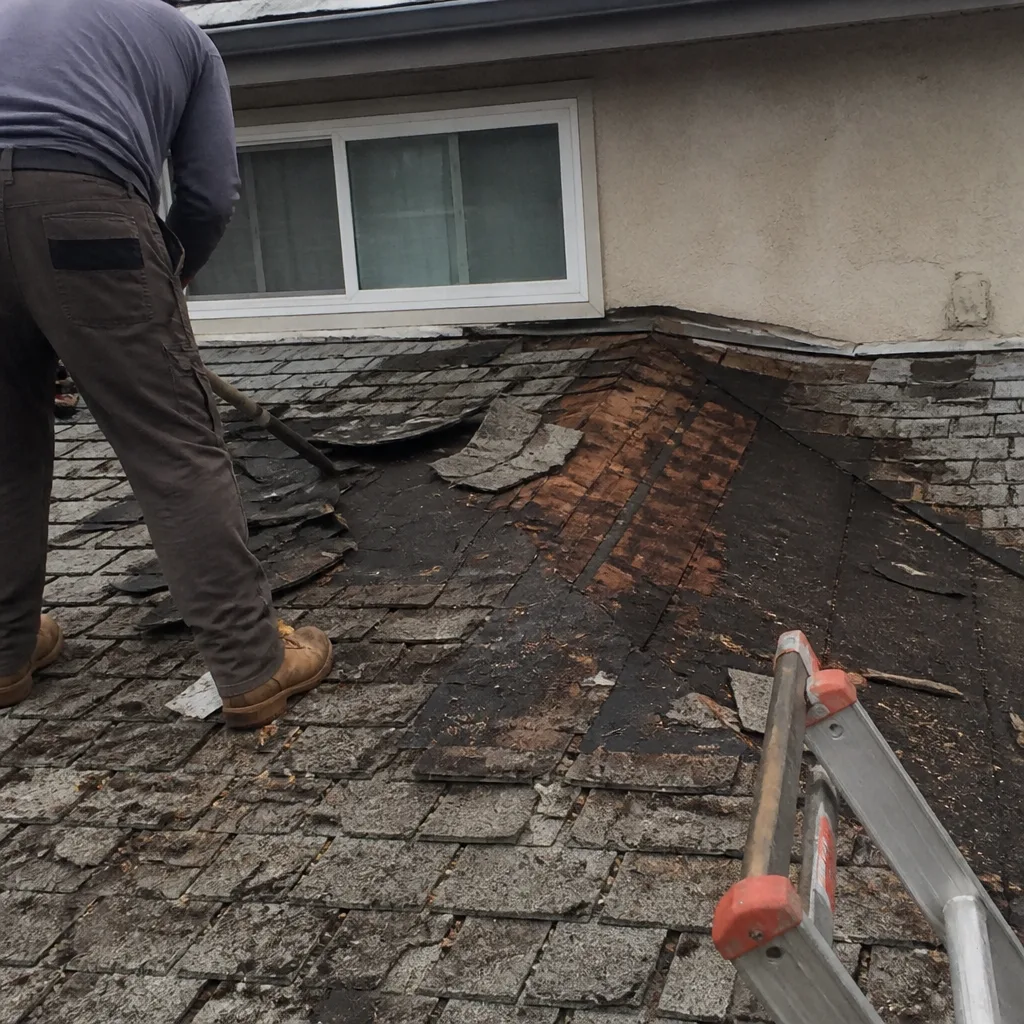 Before
 After
 Before
 After
 Before
 After