
Last updated October 31, 2026
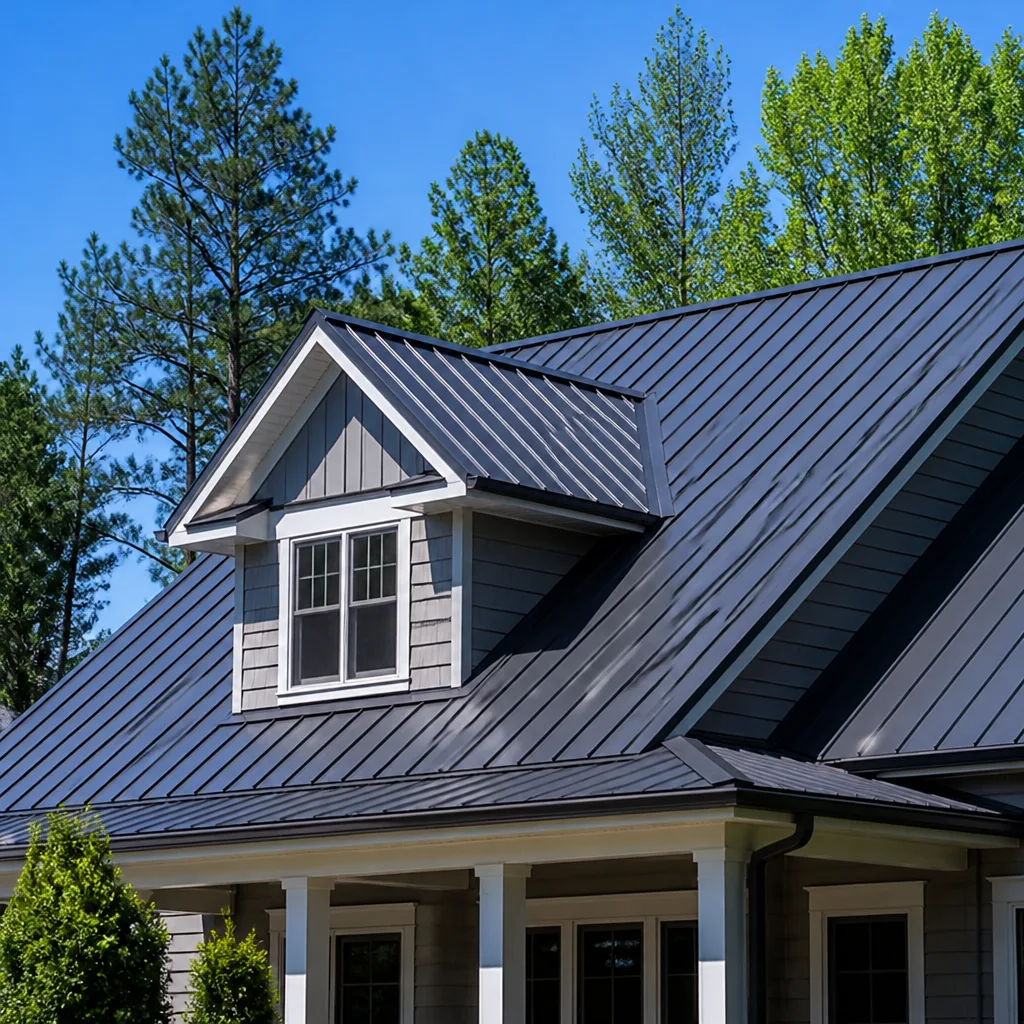 Metal roofing
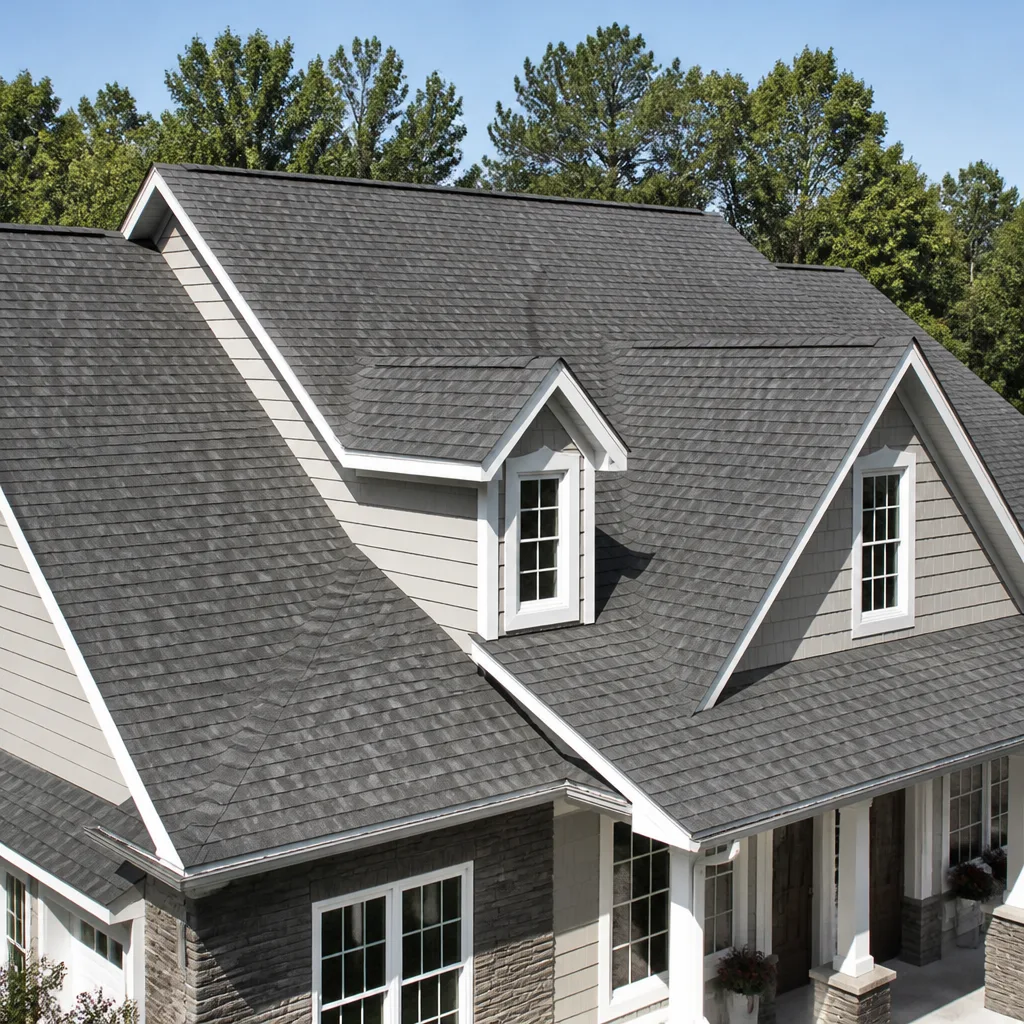 Architectural shingles
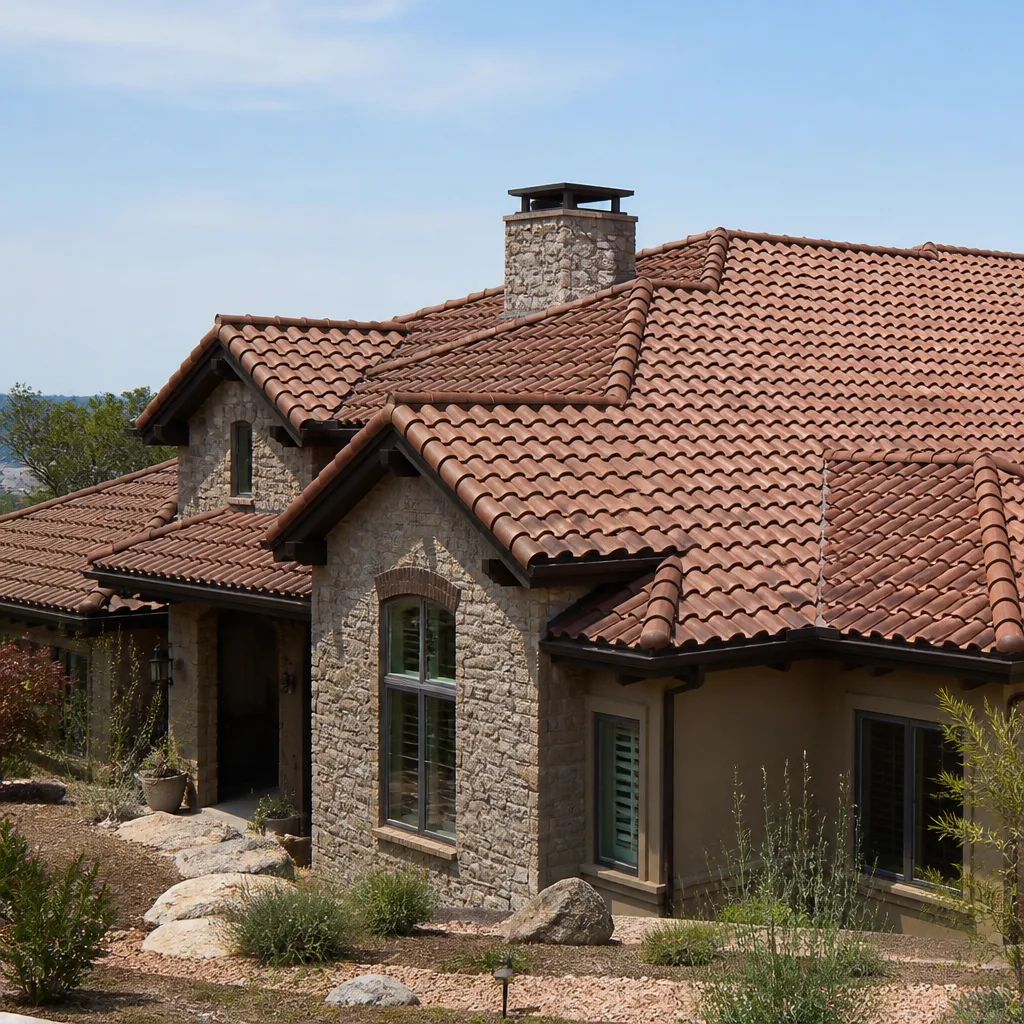 Tile roofing
 GAF
 Owens Corning
 Flat & low-slope
Free roof inspection with deck photos before we talk money - GAF and Owens Corning certified installation
DIY vs Professional Roofing: The Rancho Cucamonga Homeowner’s Decision Guide
A homeowner who patches three cracked tiles in Rancho Cucamonga might save $300, or they might void the manufacturer warranty on the remaining 2,400 tiles on the roof. Most DIY roofing guides skip that part. The warranty language on most major shingle and tile lines specifies licensed-contractor installation for all repairs, not just replacements, which means a well-intentioned Saturday project can quietly erase coverage the homeowner paid for when the roof was installed. This guide walks through the costs, the code, the warranty fine print, and the physical realities of working on a hot Inland Empire roof so you can make the call with your eyes open. For Roof Repair Troubleshooting: Common Problems and How to Fix Them, see our dedicated guide.
Styles & brands we work with
Quick Answer
For most Rancho Cucamonga homeowners, professional roofing is the right call for anything beyond gutter cleaning, visual inspection, and minor cosmetic caulking. A licensed contractor carries the permit liability, protects your manufacturer warranty, and has the equipment to work safely on a roof surface that can exceed 160°F in summer. DIY makes sense for a narrow set of low-risk tasks; it creates expensive problems when applied to repairs, flashing, underlayment, or anything that touches the water-shedding system. The honest framework is task-by-task, not a blanket answer either way.
Table of Contents
- What California Law Actually Allows a Homeowner to Do
- How Manufacturer Warranties Treat DIY Repairs
- The Physical Risk Calculus of Summer Roofwork in Rancho Cucamonga
- The Tiered Task List: Safe DIY, Gray Zone, and Call a Pro
- The Real Cost Comparison: DIY vs a Professional Quote
- How to Evaluate a Repair Quote Against a Realistic DIY Cost
- Common Mistakes to Avoid
- When to Call a Professional
- Frequently Asked Questions
- The Bottom Line
What California Law Actually Allows a Homeowner to Do
California’s contractor licensing rules draw a line that most homeowners never see until a problem happens. Under the California Business and Professions Code, anyone performing roofing work valued at $500 or more in labor and materials must hold a C-39 roofing contractor’s license. That requirement applies to contractors you hire, not to a homeowner working on their own property. A homeowner-occupant can perform work on their own residence without a contractor’s license, and the $500 threshold does not apply to owner-builders working on the home they live in.
But there is a catch, and it matters in Rancho Cucamonga specifically. The City of Rancho Cucamonga requires building permits for most roofing work that goes beyond like-for-like shingle replacement. The city’s building division treats a full tear-off, any structural repair, and many underlayment replacements as permit-required work. A homeowner can pull their own permit as an owner-builder, but doing so means accepting personal liability for code compliance, inspections, and any future defects tied to the work. When a contractor pulls the permit, the contractor carries that liability. When you pull it yourself, you are the responsible party of record, and the home’s resale disclosures will reflect owner-performed roofing work.
Here is the part that surprises most homeowners: the legal line is not about whether you are capable. It is about who accepts liability when something fails. A homeowner can legally replace a few cracked tiles on their own home. But if that repair leaks into the decking six months later and the insurance adjuster asks who performed the repair, the answer changes the claim. Unpermitted owner-performed work can become a coverage dispute in ways that contractor-performed, permitted work does not.
In our experience, the gray-zone disputes we see in Rancho Cucamonga almost always involve someone who patched a spot themselves, sold the house, and had the defect flagged during a buyer’s roof inspection in Rancho Cucamonga. The seller then pays twice: once for the original shortcut and again for the professional correction before escrow can close.
How Manufacturer Warranties Treat DIY Repairs
Manufacturer warranty language is where DIY roofing quietly goes wrong. The major shingle brands that matter in the Rancho Cucamonga market, including GAF, CertainTeed, and Owens Corning, all publish warranty terms that define who may install and repair their products. The consistent language across these warranties is a requirement that installation and repair be performed by a qualified, licensed roofing professional. Some warranties phrase this as competent contractor, others specify licensed contractor, and a few require the work to meet the manufacturer’s published installation specifications.
What the warranties rarely say in plain English is this: a repair performed by the homeowner on one section of the roof can void coverage on the entire roof system, not just the section that was touched. The warranty is a contract, and the contract includes conditions about who performs work on the covered material. When an unlicensed person, including the homeowner, performs a repair on a warrantied roof, the manufacturer has grounds to deny a future claim on any part of the system.
This is the specific scenario from the opening of this guide. A homeowner with a 2,400-tile concrete tile roof notices three cracked tiles. The tiles are a Boral product with a manufacturer warranty. The homeowner buys three matching tiles at a supplier, swaps them out, and considers the problem solved. The repair itself might work fine. But the manufacturer’s warranty now has a documented breach: an unqualified person altered the installed system. If a future storm causes widespread tile failure, the manufacturer can point to the unauthorized repair as the reason coverage is denied. The $300 saved on the repair became the loss of a warranty worth far more than that on the remaining 2,397 tiles. Homeowners can read the full scope of their material options on the Suncrest Roof Repair home page, where we explain how manufacturer warranties interact with installation practices.
This is not a scare tactic. It is the plain reading of the warranty documents. And it is the single most under-discussed factor in the DIY roofing conversation, because most guides frame the decision entirely around labor cost. For a deeper look at protecting your investment, see our Roof Repair Maintenance Checklist for Rancho Cucamonga Homeowners. The labor cost is real, but it is not the most consequential number on the table. The warranty is.
The Physical Risk Calculus of Summer Roofwork in Rancho Cucamonga
Rancho Cucamonga sits at the base of the San Gabriel Mountains, and the summer heat here is not the same as coastal California. From June through September, daytime highs regularly reach the mid-90s to low 100s. A dark asphalt shingle roof absorbs solar radiation all day. The measured surface temperature on a standard dark shingle in direct sun at 3:00 p.m. in August commonly exceeds 160°F, and darker materials like certain Tamko and Atlas colorways can run hotter than lighter finishes.
The physical risks of working on a roof at 160°F are not theoretical. Heat exhaustion starts when the body cannot shed heat faster than it absorbs it, and on a 160°F surface with reflected heat from the shingles, a person can hit that threshold in under an hour. The second risk is the shingle itself. Asphalt shingles are thermoplastic. They soften and become workable at high temperatures, which is why professional roofers in Rancho Cucamonga schedule tear-offs for early morning start times whenever possible. A homeowner kneeling on a softened shingle in mid-afternoon can permanently deform the granule surface, creating a visible wear patch that shortens the shingle’s life. The material is literally more fragile when it is hot, and foot traffic at the wrong time of day causes damage the homeowner cannot see until the first rain.
The third risk is the one that sends people to urgent care: the combination of heat, slope, and distraction. Roof work is inherently fall-risk work. The Occupational Safety and Health Administration reports that falls remain the leading cause of death in construction, and roofing consistently ranks among the highest-risk trades for fall injuries. Professional crews use harnesses, roof brackets, and safety rails on steep pitches. A homeowner with a ladder and a bucket of tar has none of those systems. Add in heat fatigue, and a one-story fall becomes a serious injury.
There is also the fire-risk angle that gets overlooked in Southern California. Rancho Cucamonga sits in a high fire severity zone. Roof work that involves grinding, cutting metal flashing, or using heat-weld materials like torch-down modified bitumen carries hot-work risks. A professional carries fire-resistant barriers, extinguishers, and the judgment to pause when the wind picks up. A homeowner in the Alta Loma foothills areas near the fire zone may not recognize the wind conditions that make hot work unsafe. That is not a DIY skill gap. It is a context gap, and context is exactly what a professional brings.
The Tiered Task List: Safe DIY, Gray Zone, and Call a Pro
The most useful way to think about roofing is not DIY versus pro as two opposing camps. It is a three-tier list that maps specific tasks to the risk and liability they carry. Here is the honest framework we use when a homeowner asks what they can reasonably handle themselves.
Tier 1: Genuinely Homeowner-Appropriate Tasks
These tasks carry low physical risk, low material risk, and no meaningful permit or warranty exposure:
- Gutter cleaning and downspout flushing. This is roof-adjacent work. You are on a ladder, not the roof surface, and the task does not alter the roof system. Do it twice a year in Rancho Cucamonga, before the winter rains and after the Santa Ana wind season fills gutters with debris.
- Visual inspection from the ground or a ladder. Look for missing shingles, cracked tiles, flashing that has pulled away, moss or lichen growth on north-facing slopes, and granule accumulation in gutters. A homeowner who does this quarterly catches small problems before they become leaks.
- Minor cosmetic caulking around vents and flashings. A tube of roofing-grade sealant, applied in a clean bead around a pipe boot or vent collar, can stop a small drip. This is surface work that does not disturb the roof system. The key word is cosmetic: if the flashing has corrosion or the seal has failed at the base, caulk will not fix it.
- Debris removal after wind events. Santa Ana winds deposit branches, palm fronds, and accumulated trash on roofs throughout Rancho Cucamonga. Removing debris by hand or with a soft broom is appropriate, provided you are not walking on hot shingles in summer and you are not using a pressure washer, which will strip granules and void warranty coverage.
Tier 2: The Gray Zone – Proceed Only With Full Understanding
These tasks are legally allowed for an owner-occupant in California, but they carry meaningful risk that most homeowners do not fully price in:
- Replacing individual cracked or broken tiles. A homeowner can do this, and the physical technique is not complicated. The risk is warranty voidance, as covered above, and the secondary risk of breaking adjacent tiles while walking on a tile roof without a roofing ladder or foam walk boards. Tile is brittle. Every step carries potential breakage.
- Replacing a few lifted or damaged shingles. Same logic. The repair is technically simple, but lifting shingles to access the nail line requires a pry bar, correct nail placement, and a sealant that matches the manufacturer’s spec. Getting any of those wrong creates a leak that may not show up for months. And the warranty questions remain.
- Applying roof coating to a low-slope section. Coating systems used on flat roof areas in Rancho Cucamonga carry their own manufacturer requirements. Application is physically demanding, and the coating must be applied at the correct thickness per square foot, or the warranty is void and the roof is not protected.
Tier 3: Call a Professional – No Gray Area
- Any work involving the underlayment, decking, or structural framing. The underlayment is the actual waterproofing layer. Shingles and tiles are the wear surface. If the underlayment is compromised, the repair is a system repair, a permit is required in Rancho Cucamonga, and a C-39 contractor is the only sensible choice.
- Flashing replacement at chimneys, skylights, wall intersections, or valleys. Flashing is where most roofs leak, and correct flashing installation is skilled work that requires metal bending, proper step layout, and sealant placement. A flashing error is a persistent leak that damages framing, insulation, and drywall before anyone notices.
- Torch-down or hot-mop modified bitumen work. This is open-flame work on a combustible surface. It is the single most dangerous category of roofing work a homeowner could attempt, and in a high fire severity zone like Rancho Cucamonga, the consequences of a mistake extend beyond the property line.
- Anything involving the roof’s structural connection to the house. Eave repairs, fascia that anchors the drip edge, rafter tails with rot. This is structural work that sits on the line between roofing and framing. It requires a permit, an inspection, and a contractor’s license for good reason.
- A full replacement, even if you are capable of the labor. A full roof replacement in Rancho Cucamonga is a permitted, structural, warranty-carrying project. The labor savings of doing it yourself are erased the first time an inspection fails or a manufacturer denies a claim because the work lacked a qualified installer.
The Real Cost Comparison: DIY vs a Professional Quote
Here is where the honest math gets uncomfortable for the DIY position, and it is the math most cost-focused guides skip. A small repair, like replacing four cracked concrete tiles on a Rancho Cucamonga roof, breaks down like this:
- DIY direct costs: Four matching tiles at $8 to $15 per tile if you can find the exact match, a tube of roofing sealant at $12, and perhaps a half-day of time. Total out-of-pocket: $60 to $90. If you need roof brackets or a foam walk board, add $50 to $120 in equipment you may use once.
- Professional direct costs: A repair visit for a tile swap in Rancho Cucamonga typically runs $250 to $450, depending on access, pitch, and the time of year. The contractor arrives with matching tiles or orders them, completes the repair in an hour or two, and stands behind the work.
The straight comparison favors DIY by a margin of $160 to $360. That is a real number. But the straight comparison omits the three costs that actually determine whether the DIY was cheaper:
- The warranty cost. If the roof carries a manufacturer warranty, as most newer roofs in Rancho Cucamonga do, the DIY repair can void that warranty across the entire roof. The replacement cost of a 2,000-square-foot concrete tile roof in this market ranges from $20,000 to $40,000. The warranty on that roof is worth thousands. Saving $300 against a warranty worth thousands is not a savings; it is a trade of a small, known cost for a large, unknown risk.
- The correction cost. If the DIY repair fails, the professional correction is almost always more expensive than the original professional repair would have been. The contractor now has to undo the homeowner’s work, assess any damage caused by the failed repair, and redo the repair correctly. We see correction jobs that cost two to three times the price of the repair that would have been correct the first time.
- The injury cost. A fall from a roof, even a single-story Rancho Cucamonga rancher, produces medical bills that dwarf any roofing quote. One emergency room visit for a broken wrist will cost more than a professional roof inspection and a professional repair combined. That is the risk-adjusted cost that never appears in a DIY cost calculator.
The realistic comparison, then, is not $90 for DIY versus $350 for a pro. It is $90 for DIY against $350 for a pro with a warranty-backed, liability-carrying, correctly-done repair, or $90 for DIY against a possible $15,000 accident or a voided warranty on a $30,000 roof. The honest conclusion for most homeowners: the professional quote is what the peace of mind actually costs, and on any task that touches the roof system, it is the cheaper option when risk is priced in.
How to Evaluate a Repair Quote Against a Realistic DIY Cost
If you are comparing a professional repair quote against the DIY alternative, the comparison only works if you account for the same line items the contractor is pricing. Here is a step-by-step method we recommend to any homeowner in Rancho Cucamonga who wants to make the comparison honestly.
- Separate materials from labor on the quote. A professional repair quote includes more than the three or four tiles you see. It includes the matching materials, delivery, disposal fees, permit fees if applicable, and the contractor’s overhead and insurance. Ask for a line-item breakdown. If the contractor will not provide one, that is a signal to keep looking. If they will, you can see exactly what you would need to buy and do yourself.
- Price the materials yourself with tool rental and minimums included. Roofing materials at supply houses in the Inland Empire are sold in bundles and minimums. You cannot buy four matching tiles at most suppliers; you buy a bundle of 40 or you buy nothing. The DIY material cost is often the cost of the minimum purchase, not the cost of the four tiles you actually need. Add tool rental, and the effective DIY material cost often reaches 40 to 50 percent of the professional quote before any labor is accounted for.
- Assign a realistic hourly value to your own time. If you value a Saturday at $25 an hour, a six-hour repair project costs $150 of your time. Add that to the material and tool cost, and the gap between DIY and professional narrows fast. If you value your weekend time at $50 an hour, DIY often stops making sense entirely for anything beyond the simplest tasks.
- Check the warranty interaction before you decide. If the roof is under manufacturer warranty, locate the warranty document and read the installer language. If the roof is older and out of warranty, the warranty question is moot, and the decision shifts to the remaining life of the roof. On a roof with five years of life left, a DIY patch might be a reasonable bridge. On a roof with fifteen years of life left, the same patch is a permanent blemish on an asset you will live with for over a decade.
- Ask the contractor about the permit requirement for your specific repair. A properly licensed contractor will know whether your repair triggers a permit in Rancho Cucamonga. If the work does not require a permit, you can compare apples to apples. If it does, the permit cost and inspection risk need to be in your DIY calculations as well.
The goal of a roof repair in Rancho Cucamonga is not just to stop the immediate problem. It is to leave the roof in a condition that does not create a future problem. A quote that includes materials, labor, permits, and warranty protection is priced for that outcome. A DIY calculation that omits those same lines is not comparing the same outcome.
Common Mistakes to Avoid
- Patching a shingle roof with caulk or sealant instead of replacing the shingle. Sealant is a temporary bridge over a crack, not a repair. It fails, and the homeowner who caulked a shingle in October is the homeowner looking at a water stain in February. The stain costs more than the shingle ever would have.
- Walking on a hot asphalt shingle roof in the afternoon. In Rancho Cucamonga summer temperatures, the shingle granules are embedded in softened asphalt. Foot traffic grinds granules off and leaves permanent wear scars. If you must walk the roof, do it before 10:00 a.m. between May and October, or do not do it at all.
- Using a pressure washer to clean a roof. Pressure washing removes granules from asphalt shingles and erodes the surface of concrete tiles. It shortens the roof’s life by years and voids manufacturer warranties. No professional roofer pressure-washes a roof, and neither should a homeowner.
- Skipping the permit on work that required one. Rancho Cucamonga’s building division requires permits for structural roofing work. A homeowner who skips the permit saves a few hundred dollars and creates a resale liability that surfaces during escrow. The buyer’s inspector will catch owner-performed unpermitted work, and the deal will reprice or collapse over it.
- Assuming matching materials will be available. Shingle colors and tile profiles go out of production. A homeowner who removes four cracked tiles and then discovers the exact match is discontinued has created a patchwork roof. A contractor with brand-deep relationships across GAF, CertainTeed, and Owens Corning lines has better access to discontinued or special-order matches, and the knowledge to advise honestly when matching is not possible.
- Ignoring the manufacturer warranty language until after the repair. The time to read the warranty is before the DIY work, not when a claim is denied. The warranty document is available from the manufacturer’s website, and the installer-qualification section is usually no more than a page. Read it first.
- Underestimating the wind-driven rain exposure in the foothills. Homes in the northern Rancho Cucamonga neighborhoods near the 210, from Alta Loma to the Etiwanda foothills, catch Santa Ana wind-driven rain that finds every small gap. A DIY repair that looks fine on a calm day will be tested hard in a December storm. Professional repairs account for wind-driven water entry in ways that homeowner repairs rarely do.
When to Call a Professional
Call a professional when the repair touches the water-shedding system: underlayment, flashing, valleys, penetrations, or anything structural. Call a professional when the roof is under a manufacturer warranty that a qualified installer protects and a DIY repair voids. Call a professional when the repair requires a permit in Rancho Cucamonga, because the permit ties the legal responsibility to the contractor of record. Call a professional when the roof pitch is steep enough that you would not feel comfortable standing on it with both hands free. Call a professional when the repair is on a tile roof, where walking without proper equipment breaks more tiles than the repair replaces. Suncrest Roof Repair offers free estimates in Rancho Cucamonga. Call (866) 538-0713, and we will inspect the roof, explain what we find, and give you a written scope with a fixed price before you commit to anything.
Frequently Asked Questions
Yes, a homeowner-occupant can perform roofing work on their own residence without a contractor’s license, and the $500 threshold that triggers the C-39 license requirement does not apply to owner-builders working on their own home. However, Rancho Cucamonga permit requirements still apply to structural work, and unpermitted owner work can become a liability during resale or an insurance claim. Call (866) 538-0713 if you want a professional assessment of whether your specific repair falls into permit territory.
Minor professional repairs in Rancho Cucamonga, like replacing a few broken tiles or resealing a pipe boot, typically run $250 to $450 depending on access and materials. Larger repairs involving flashing or underlayment run higher, and any repair should be quoted as a fixed line-item price before work starts. Suncrest Roof Repair provides written quotes with no surprise add-ons; call (866) 538-0713 for an exact number on your specific repair.
Yes, in most cases it can. Manufacturer warranties from brands like GAF, CertainTeed, and Owens Corning require that installation and repair be performed by a qualified, licensed contractor, and an unqualified repair in one section can void coverage on the entire roof system. The specific language varies by brand and product line, so read your warranty document before doing any DIY work. A professional repair protects the warranty; a DIY repair can quietly cancel it.
Gutter cleaning, ground-level visual inspection, minor cosmetic caulking around pipe boots and vents, and debris removal after Santa Ana wind events are all genuinely homeowner-appropriate tasks. They carry low physical risk and do not disturb the water-shedding system. Anything that touches underlayment, flashing, decking, or structure should go to a licensed contractor.
A dark asphalt shingle roof in direct afternoon sun in Rancho Cucamonga regularly exceeds 160°F on the surface between June and September. At that temperature, shingles soften and foot traffic causes permanent granule damage, and the heat creates a real risk of heat exhaustion for anyone working on the surface. Professionals schedule summer work for early mornings; homeowners should avoid afternoon roof access entirely during the hot months.
Like-for-like shingle or tile replacement on an isolated section generally does not require a permit, but full tear-offs, underlayment replacement, structural repairs, and any work on the decking typically do. The City of Rancho Cucamonga building division is the final authority, and a licensed contractor can determine the requirement during the estimate. Call (866) 538-0713 and we will tell you whether your repair is a permit job before any work is scheduled.
The Bottom Line
The DIY-versus-pro roofing decision is not really about labor cost, even though most guides frame it that way. For more guides & resources on making informed roofing decisions, explore our blog. In California, and in Rancho Cucamonga specifically, it is about liability, warranty protection, heat physics, and the difference between a repair that lasts one season and a repair that lasts two decades. Homeowners should handle gutters, visual checks, and cosmetic caulking. Everything that touches the roof system belongs with a licensed contractor who carries the permit, protects the warranty, and has the equipment and judgment to work safely on a 160°F surface. When the repair is small, a professional quote usually lands between $250 and $450, and that number starts to look modest when measured against a voided warranty or a hospital bill. Suncrest Roof Repair inspects before prescribing, works across seven leading material brands including GAF, CertainTeed, and Owens Corning, and gives written fixed-price quotes with no pressure. Call (866) 538-0713 to schedule a free estimate.
Written by the team at Suncrest Roof Repair, serving Rancho Cucamonga since 2015.
See the difference
 Before
 After
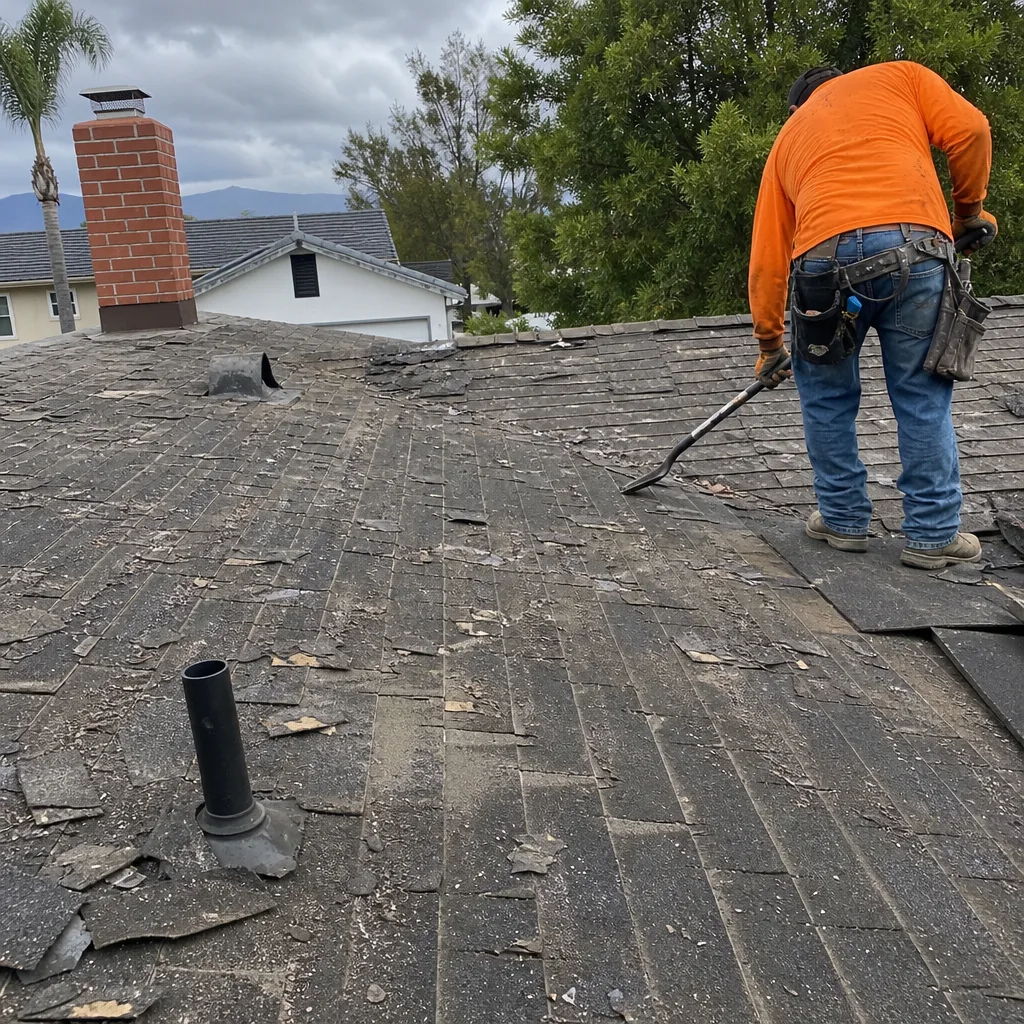 Before
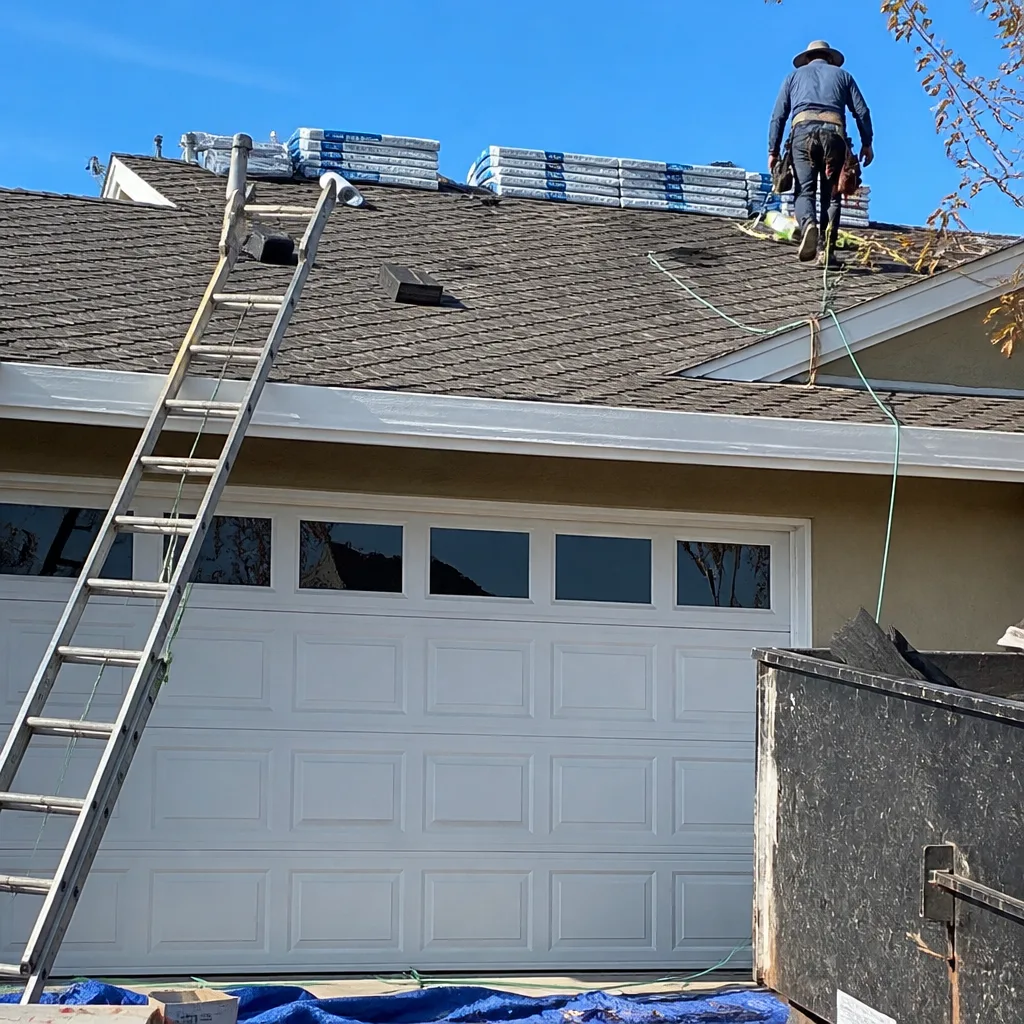 After
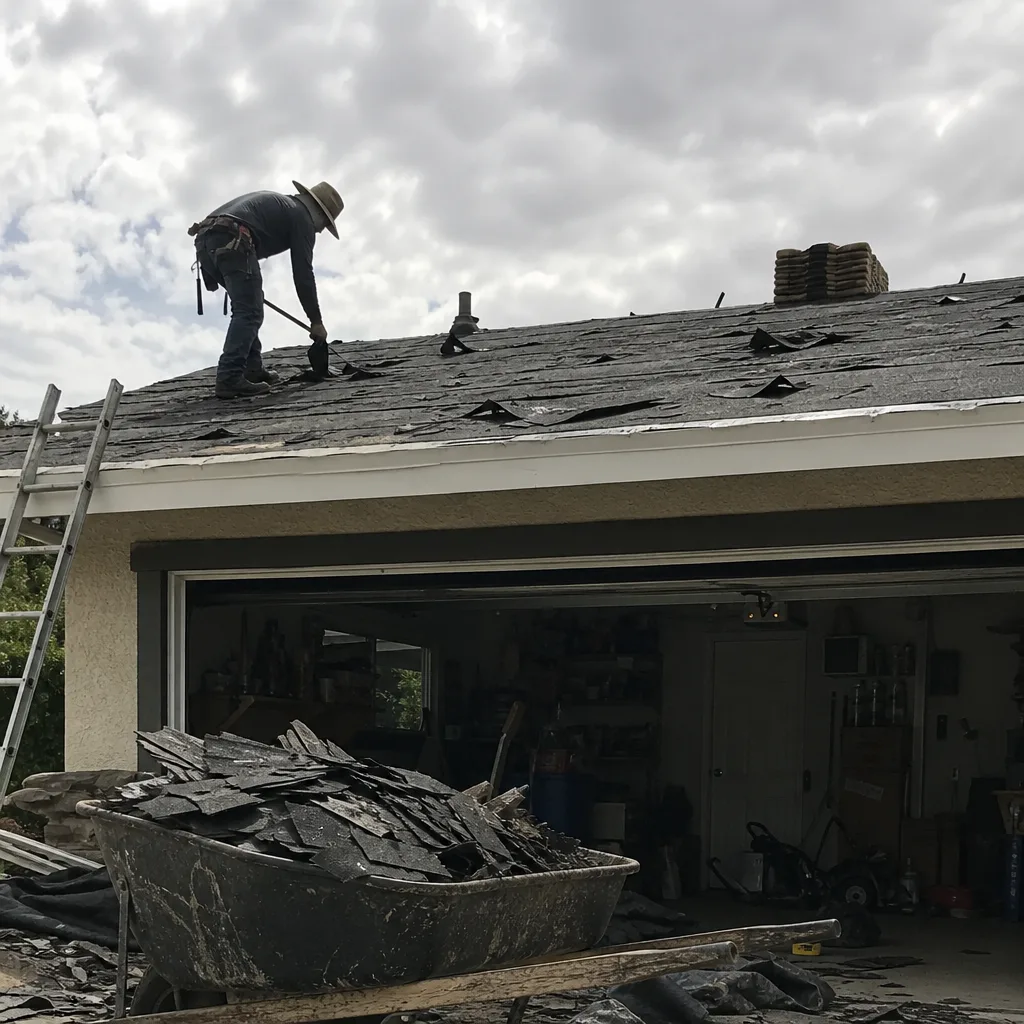 Before
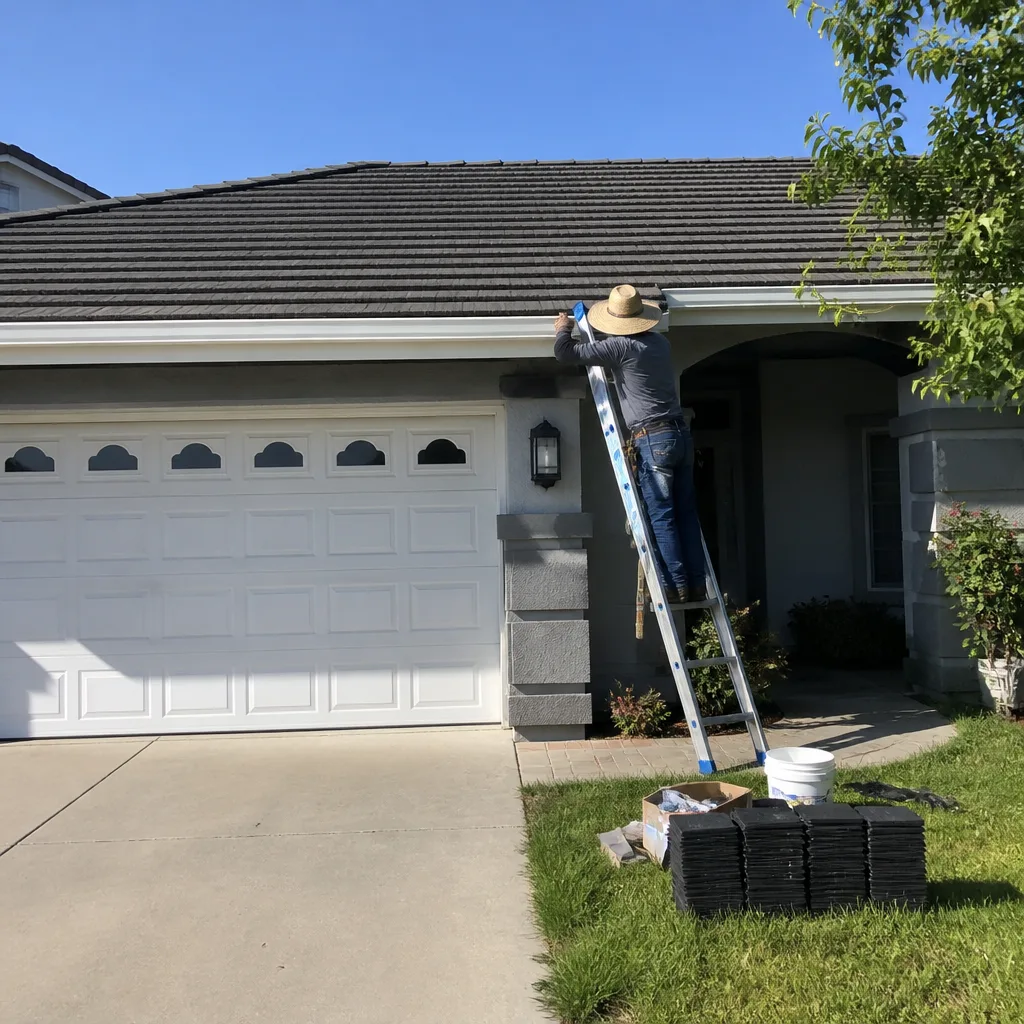 After