
Last updated October 31, 2026
 Metal roofing
 Architectural shingles
 Tile roofing
 GAF
 Owens Corning
 Flat & low-slope
Free roof inspection with deck photos before we talk money - GAF and Owens Corning certified installation
Seasonal Roofing Care for Rancho Cucamonga: Year-Round Homeowner’s Guide
Most roofing guides tell California homeowners to think in two seasons: wet and dry. Rancho Cucamonga doesn’t work that way. Our roofs face four distinct stress periods each year, and the one that does the most damage isn’t the rainy season. It’s October, when the first Santa Ana winds arrive after a long summer of UV exposure and catch every weakened shingle, every loosened piece of flashing, every small crack that’s been quietly forming since June. This guide walks you through what actually happens to a roof in Rancho Cucamonga, month by month, and what you should do about it before the wind decides for you. For a deeper dive, see our complete guide to roofing in Rancho Cucamonga.
Styles & brands we work with
Quick Answer
Seasonal roof care in Rancho Cucamonga means tracking four stress periods: summer UV fatigue (June through September), Santa Ana winds (October and November), winter rain (December through February), and spring thermal cycling (March through May). The most important homeowner habit is a ground-level walk-around after each of these events, looking for displaced shingles, exposed fasteners, granule buildup in gutters, and lifted flashing. A professional inspection once a year, ideally in late September before Santa Ana season peaks, catches what you can’t see from the ground.
Table of Contents
- Summer UV Peak: June Through September
- Santa Ana Season: October and November
- Winter Rain Events: December Through February
- Spring Thermal Cycling: March Through May
- Why Gutter Timing Matters More Than Gutter Cleaning
- The Attic Temperature Problem Most Homeowners Never Check
- The Seasonal Ground Walk-Around: What to Look For
- Common Mistakes to Avoid
- When to Call a Professional
- Frequently Asked Questions
- The Bottom Line
Summer UV Peak: June Through September
Rancho Cucamonga summers routinely push past 95°F for weeks at a time, and the sun hits asphalt shingles hard from June through September. What most homeowners don’t realize is that UV damage is cumulative and largely invisible until it isn’t. Shingle granules protect the asphalt layer underneath, and every summer, the combination of direct sun and reflected heat from the attic breaks that bond a little more. By late September, a roof that looked fine in May can have thousands of small granule losses across its surface.
This is also the season when expansion takes its toll. Roof decking and shingles expand during the day and contract at night. Over one summer, a roof surface can move enough to loosen nails that were driven correctly, especially if the original installation used fasteners that were slightly overdriven. What we see in our experience with summer inspections across Rancho Cucamonga is that the damage often shows up first around penetrations: vents, skylights, and anywhere flashing transitions to shingle.
What to do during this season is actually less than most people think. The roof doesn’t need intervention in July. What it needs is observation and preparation:
- Check attic temperature on the hottest days. If it’s consistently above 150°F, you have a ventilation deficit that’s accelerating shingle aging from below. We cover this in detail later in this guide.
- Watch for granule accumulation at downspouts after the occasional summer thunderstorm or strong wind. Granules in the gutter are the first visible sign that shingles are shedding faster than they should.
- Schedule your annual professional Roof Inspection in Rancho Cucamonga for late September. This timing matters: it gives you a clean baseline before the two most damaging months of the year.
One more point on summer: this is when blistering starts. Blisters are small bubbles that form when moisture trapped in the shingle mat heats and expands. Rancho Cucamonga sees plenty of blistering on south-facing and west-facing roof slopes simply because those surfaces get the most direct afternoon sun. Blisters don’t immediately leak, but they shorten shingle life and make the surface more vulnerable to wind damage when October arrives.
Santa Ana Season: October and November
Santa Ana winds are the single most destructive force for roofs in Rancho Cucamonga, and they deserve more respect than they get. These winds come from the northeast, channel through the Cajon Pass and the surrounding foothills, and routinely gust between 40 and 70 mph in the northern parts of the city. The damage pattern is predictable: any shingle with weakened adhesive, any flashing edge that’s been slowly lifting, any tile that’s been riding on a cracked underlayment, and the wind finds it.
What makes October the highest-risk month is timing. The roof has just survived four months of intense UV exposure, and the adhesive bond between shingle layers is at its annual weakest point. Then the wind arrives, often dry and sustained over multiple days. Shingles don’t get blown off all at once in a clean row. One corner lifts, the wind catches it, and the tear propagates from there.
After any Santa Ana event with gusts above about 40 mph, do this walk-around:
- Stand at each corner of the house and scan the roof plane opposite you. Look for shingles that are out of alignment, curled at the edges, or missing entirely.
- Check the ground around the house for shingle fragments, torn pieces, or granules that weren’t there before.
- Look at the ridge line specifically. Ridge caps catch the most wind and they’re the most likely component to come loose.
- Inspect flashing around chimneys, vents, and skylights with binoculars if you can’t see them clearly from the ground.
- Take date-stamped photos of anything that looks off. This matters if you ever file an insurance claim.
Here’s the thing about Santa Ana damage: it rarely leaks immediately. The roof loses a shingle or two in October, and the leak shows up in December when the first real rain finds the gap. That’s why post-wind inspection in October and November is more urgent than post-rain inspection in January for most Rancho Cucamonga homes. The rain reveals what the wind already did. If you catch the missing shingle in October, you’re doing a targeted repair before water ever enters the house. If you miss it, you’re doing a larger repair plus interior work in December or January. The Roof Repair in Rancho Cucamonga scope is completely different between those two scenarios.
Winter Rain Events: December Through February
Rancho Cucamonga averages around 19 inches of rain per year, and most of it falls in a handful of concentrated events between December and February. A single atmospheric river can drop two or three inches in a day. For a roof that’s already carrying damage from Santa Ana season, that’s when the consequences show up as water stains on the ceiling, damp insulation, or the faint smell of mildew in the attic.
Winter is the season of leak discovery, not leak prevention. If your roof survived October and November intact, winter rain events are mostly a test of what’s already there: the flashing, the underlayment, the valley construction, and the drainage paths. This is also the season when you learn whether your gutters are actually doing their job.
Here’s what matters most during the winter months:
- During heavy rain, go into the attic if it’s safely accessible and listen. You’re listening for the sound of dripping on the insulation or decking, not necessarily looking for standing water.
- Check ceilings after each significant rain event for discoloration, especially around penetrations like bathroom vents, kitchen exhausts, and skylights.
- Watch how water moves through downspouts during rain. If downspouts are overflowing or water is spilling over the gutter edges, you have a clog or sizing problem.
- Note any shingles that appear darker than surrounding areas on wet days. Dark patches can indicate moisture absorption where granules have worn thin.
Winter is also the time when small problems compound. A minor leak that lets in a cup of water during a February storm might sit in the insulation or decking for weeks before it dries. That moisture accelerates rot and rust, and by the time the next rain comes, the leak path is wider. This is the slow, quiet way roofs fail in our climate, and it’s one of the reasons we always recommend addressing a confirmed leak in the same season it appears rather than waiting until spring.
Spring Thermal Cycling: March Through May
Spring in Rancho Cucamonga is deceptive. The weather looks mild, with daytime highs climbing from the 60s into the 80s and overnight lows still dipping into the 40s on clear nights. That temperature spread is larger than any other season, and it drives thermal cycling at the roof surface. The entire assembly expands during the day and contracts at night, and the wider the daily swing, the more movement the fasteners and adhesives have to tolerate.
This is the season when marginal roofing materials show their age. Shingles that were installed just slightly too tight or slightly too loose in the original build can start to telegraph problems in March and April. You might see slight rippling along the roof plane on a warm afternoon that disappears by evening. Or you might notice that a piece of flashing that survived Santa Ana season has started to lift because the metal and the shingle are expanding at different rates.
Spring is also the time to handle any deferred items from winter before summer heat makes roof work less comfortable and UV exposure starts again in earnest. A repair done in March has six months to settle before the next Santa Ana season. A repair done in late September is racing the clock. From a roof longevity standpoint, spring is the lowest-risk window for any Roof Replacement in Rancho Cucamonga or major repair project, because the weather is stable, the temperature swings are manageable for material installation, and the new roof gets acclimated before the summer stress cycle begins.
Specific spring checks:
- Walk the perimeter after the first few genuinely warm days and look for shingle edges that appear lifted or wavy. Thermal movement is most visible on the first warm days after a cool stretch.
- Check attic temperatures on a warm spring afternoon. If the attic is already hitting 120°F in April, it will pass 150°F in August without intervention.
- Clear any remaining winter debris from valleys and behind chimney crickets. Decomposing leaf matter holds moisture against shingles and accelerates granule loss.
- Inspect sealant joints around flashing, vents, and pipe boots. Sealant degrades from UV exposure even when temperatures are moderate, and spring is the most visible time to catch it.
Why Gutter Timing Matters More Than Gutter Cleaning
Most generic roofing guides tell you to clean gutters twice a year: spring and fall. That advice doesn’t align with how trees actually shed in Rancho Cucamonga. Our local tree canopy, dominated by eucalyptus, sycamore, liquidambar, and coastal live oak, follows a different schedule. Eucalyptus drops bark and leaves in late summer and early fall. Sycamores shed their large, heavy leaves in October and November. Liquidambar drops its spiky seed balls in December and January. Live oaks drop old leaves in March and April.
What this means in practical terms: if you clean gutters once in October, they’ll be full again by mid-December, right before the rain events that matter most. The timing that actually works for Rancho Cucamonga homes is a clean in late October after the first Santa Ana wind event and the accompanying leaf drop, and a second clean in mid-December before the heaviest rain potential. The October clean removes summer dust, eucalyptus debris, and granule buildup. The December clean removes sycamore leaves that fell in November.
Debris dams are the specific problem to prevent. A gutter that’s 50% full still moves water. A gutter that’s blocked at the downspout inlet with sycamore leaves and eucalyptus bark doesn’t move anything, and the water spills over the gutter edge, down the fascia, and often behind the gutter where it finds the roof deck and wall sheathing. With the intensity of our winter rain events, a debris dam can channel hundreds of gallons of water into a single point along the roof edge during one storm. Most fascia rot and soffit damage we see in Rancho Cucamonga starts this way.
The visual check is simple: after any wind event above 25 mph, look at the downspout outlets during the next rain. If water is spilling over the gutter lip instead of flowing through the downspout, you have a dam forming. Clear it before the next storm, not after.
The Attic Temperature Problem Most Homeowners Never Check
Every roofing material has a temperature tolerance, and asphalt shingles are no exception. The surface temperature of a shingle on a 100°F day in Rancho Cucamonga can exceed 160°F just from direct sun. But there’s a second heat source that homeowners rarely think about: the attic below. When attic temperature climbs past 150°F in summer, the underside of the roof deck and the shingles above it are being heated from below at the same time the sun is heating them from above. The shingle mat, which is designed to dissipate heat gradually, gets cooked from both directions.
This below-deck heating accelerates three specific damage patterns: blistering (moisture in the shingle mat produces steam pressure), granule loss (the asphalt layer softens and releases granules more readily), and premature aging of the underlayment (which becomes brittle and tears more easily during repairs). It also shortens the effective lifespan of the shingle material, which matters if you’ve chosen a premium line from a manufacturer like GAF or Atlas under the assumption that it will last 25 or 30 years. A 30-year shingle installed over a poorly ventilated attic in Rancho Cucamonga might perform like a 20-year shingle.
The ventilation check that catches this problem is simple and requires no roof access:
- On a warm day (80°F or higher outside), place a thermometer in the attic space, centered between rafters and away from any direct sun through vents.
- Leave it for one hour in the afternoon and record the temperature.
- Compare the attic temperature to the outside temperature. A well-ventilated attic should run no more than 15 to 20°F above ambient. If it’s 95°F outside and the attic is 140°F, the ventilation system is underperforming.
- Check that intake vents at the eaves aren’t blocked by insulation, storage items, or dust, and that exhaust vents at the ridge or gable ends are unobstructed.
If you’re replacing a roof and the attic runs hot, that’s the time to address ventilation. Retrofit options exist, but they’re far less expensive and more effective when integrated into a new roof installation. This is the kind of thing a professional inspection should flag before you commit to a replacement, not after.
The Seasonal Ground Walk-Around: What to Look For
You don’t need to get on the roof to catch most seasonal damage early. A careful ground-level inspection after each seasonal event will identify 80% of developing problems before they become emergencies. Here’s the sequence we recommend for any homeowner in Rancho Cucamonga, using nothing more than your eyes, binoculars, and a camera phone:
- Position yourself at the front corner of the house so you can see the full front roof plane at an angle that catches sunlight across the surface. Look for shingles that are lighter, darker, lifted, or out of pattern.
- Move to each corner and repeat. The angle matters more than most people think: a shingle that looks flat from straight-on can show a visible lift when viewed from a 30-degree angle.
- Use binoculars to inspect ridge lines, hip lines, flashing around chimneys and vents, and valley lines where two roof planes meet.
- Look at the ground around the house after any wind event. Shingle fragments, granules in patterns, or pieces of flashing on the ground are direct evidence.
- Check the gutter outlets and downspouts for granule accumulation. Granules collect at the first elbow of a downspout and can be flushed out with a hose to estimate volume.
- After rain, walk the interior perimeter of the house and look at ceilings near exterior walls, skylights, and ceiling penetrations like exhaust fans and recessed lights. Early water intrusion often shows as subtle discoloration before an actual drip forms.
- Document everything with date-stamped photos. A sequence of photos taken in the same spot over six months tells you more than a single inspection ever will.
This walk-around takes about 15 minutes after each seasonal event. That’s 60 minutes per year. The data it gives you is exactly what a roofing contractor needs when you call: which slope, what pattern, when it appeared, and whether it’s changing. When a homeowner shows us a date-stamped photo sequence, we can often narrow the diagnosis before we ever set up the ladder.
Common Mistakes to Avoid
- Cleaning gutters on the “spring and fall” schedule. Rancho Cucamonga’s tree shedding cycles don’t match that calendar. Clean in late October and mid-December, and skip the spring clean unless the live oaks are unusually heavy that year.
- Waiting for a leak before repairing Santa Ana wind damage. The missing shingle you spot in October is a $300 problem. The water damage you discover in January is a $3,000 problem. The wind damage is your warning; use it.
- Ignoring attic temperature because “it’s always been hot up there.” A consistently hot attic is a diagnosable ventilation problem, not a normal condition. It’s quietly cutting years off the backside of your shingles.
- Doing roof repairs in July and August without accounting for material expansion. Shingles installed in 100°F heat don’t always seat correctly when temperatures drop. Spring and fall are the better repair windows in this climate.
- Pressure-washing the roof. Pressure washing strips granules and forces water under shingles and into the underlayment. If the roof needs cleaning, a soft wash with appropriate chemicals is the only method worth considering, and even then, the value is mostly cosmetic.
- Assuming a new roof makes you immune to seasonal problems. New roofs fail from installation errors and ventilation deficits, and those failures show up on the same seasonal schedule as old roofs. The materials may be new, but the physics of wind, heat, and thermal cycling don’t change.
- Filing an insurance claim without documentation. Rancho Cucamonga homeowners who keep date-stamped photos of roof damage have a materially easier claims process than those who call their insurer two months after a Santa Ana event with no records. Start the photo sequence before you need it.
When to Call a Professional
Some roof conditions require a trained eye, and some require immediate professional attention regardless of the season. Call a roofing contractor if you see any of the following: missing or displaced shingles after a wind event; water stains on any interior ceiling; granule accumulation in gutters or downspouts that’s consistent and heavy; shingles that are cracked, blistered, or curling across multiple roof planes; flashing that’s visibly separated from the surface around chimneys, skylights, or vents; or any attic condition involving visible daylight through the roof deck, damp insulation, or mold. You should also call for a professional inspection if your roof is past year 15 of its expected lifespan and hasn’t been inspected in more than two years. Suncrest Roof Repair offers free estimates in Rancho Cucamonga. Call (866) 538-0713 to schedule yours.
One more scenario worth naming: if you’ve done the ground walk-around and something looks wrong but you can’t tell whether it matters, call. Honest roofing contractors would rather spend 20 minutes confirming that a condition is cosmetic than have a homeowner ignore something that turns into a leak. That’s the entire point of a professional Roof Inspection in Rancho Cucamonga: you get a documented answer either way.
Frequently Asked Questions
Once per year, and the ideal timing is late September or early October, before Santa Ana winds peak. A single annual inspection that’s timed to the highest-risk season catches summer UV damage before the wind exploits it. Homes over 20 years old, homes with asphalt shingles on south-facing slopes, and homes that have already experienced one or more wind-related repairs may benefit from a second inspection in spring. Call (866) 538-0713 to schedule an inspection that fits your roof’s specific exposure profile.
Wind-related shingle loss during Santa Ana season, often compounded by UV-related adhesive failure from the preceding summer. The two work together: summer heat weakens the shingle-to-shingle bond, and October winds expose it. We see this pattern more than any other single roof issue in Rancho Cucamonga, and it’s also the most preventable with a properly timed inspection.
Minor repairs such as replacing a few missing shingles or resealing flashing typically run $250 to $600, while more involved repairs like valley reconstruction or decking replacement can run into the low thousands. The exact cost depends on the roof’s material type, its slope and accessibility, and the extent of the underlying damage. For an exact quote based on your roof’s specific condition, call (866) 538-0713 and schedule a free estimate.
Yes, because air conditioning performance has almost nothing to do with roof health. The attic is the buffer zone between your living space and the roof surface, and its temperature and moisture levels directly affect shingle lifespan. A cool house can hide a dangerously hot attic. The ventilation check described in this guide takes an hour and gives you a number you can track year over year.
It depends on your home’s exposure and your budget. Asphalt shingles from major manufacturers like Atlas, GAF, and Tamko are the most common choice, and the higher-end lines within each brand offer better UV resistance and wind ratings. Tile and slate perform well in this climate but require a structurally appropriate roof and come with higher upfront costs. The honest answer is that a well-installed roof using quality material from any reputable manufacturer will outperform a poorly installed premium system. See our buyer’s guide for choosing the right roofing brand in Rancho Cucamonga for help comparing options. We work with seven major brands so we can recommend the right fit for your specific home rather than pushing whichever product happens to be in stock.
The ground-level walk-around and gutter maintenance described in this guide are absolutely tasks a homeowner can safely do. Anything requiring roof access, including sealant touch-ups, flashing inspection, and shingle evaluation, should involve a professional with proper safety equipment and training. Falls from roofs are among the most common serious home injuries, and the risk isn’t worth the hundred dollars you’d save. When in doubt, call and ask. We’re happy to tell you whether something needs a professional look or whether it can wait.
The Bottom Line
Rancho Cucamonga’s roofing calendar doesn’t line up with the generic spring-and-fall maintenance schedule that most national guides promote. What works in Ohio or Georgia doesn’t translate to a climate with four months of intense UV, two months of episodic wind, three months of concentrated rain, and three months of wide daily temperature swings. The homeowner who tracks those four seasonal stress periods, does a 15-minute ground walk-around after each significant event, keeps gutters clear on the local tree-shedding schedule, and gets one well-timed professional inspection per year will catch most problems before they become leaks. That’s the entire game: catch the small thing in October, and you never meet the big thing in January. For more guides & resources on protecting your home, visit our blog.
From the first inspection to the final shingle, the team at Suncrest Roof Repair home handles the complete roof lifecycle for Rancho Cucamonga homeowners. We explain what we find before we touch a thing, and we recommend repair over replacement whenever the roof’s actual condition supports it. Seven leading brands, one honest recommendation. Call (866) 538-0713 for a free estimate.
Written by the team at Suncrest Roof Repair, serving Rancho Cucamonga since 2015.
See the difference
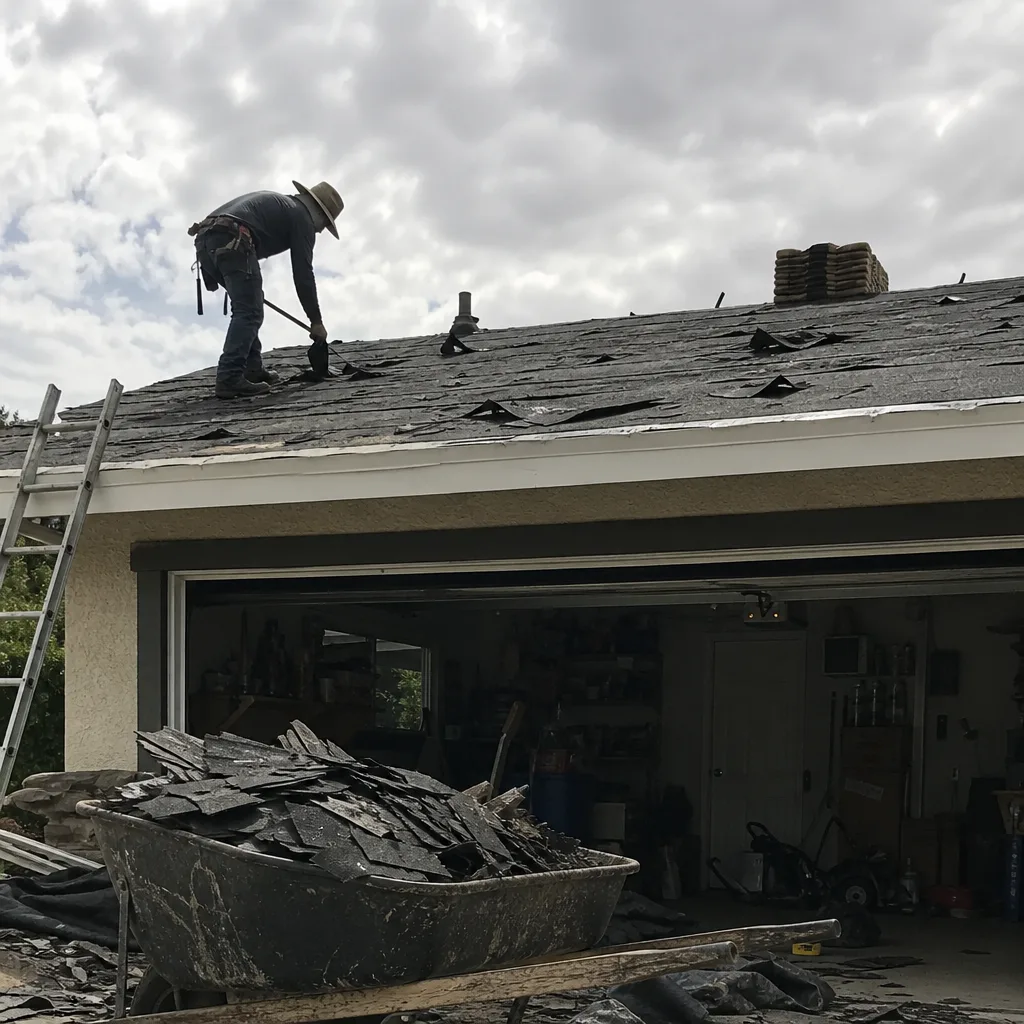
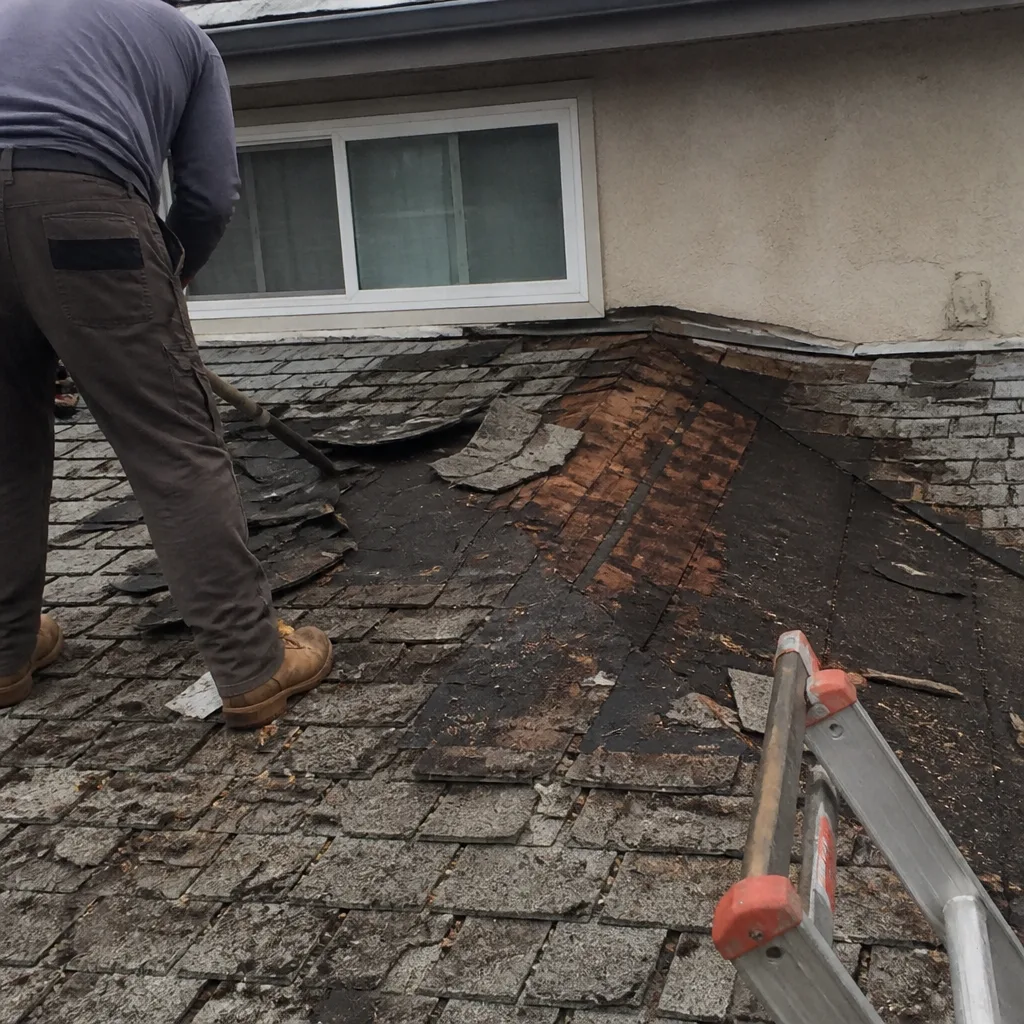 Before
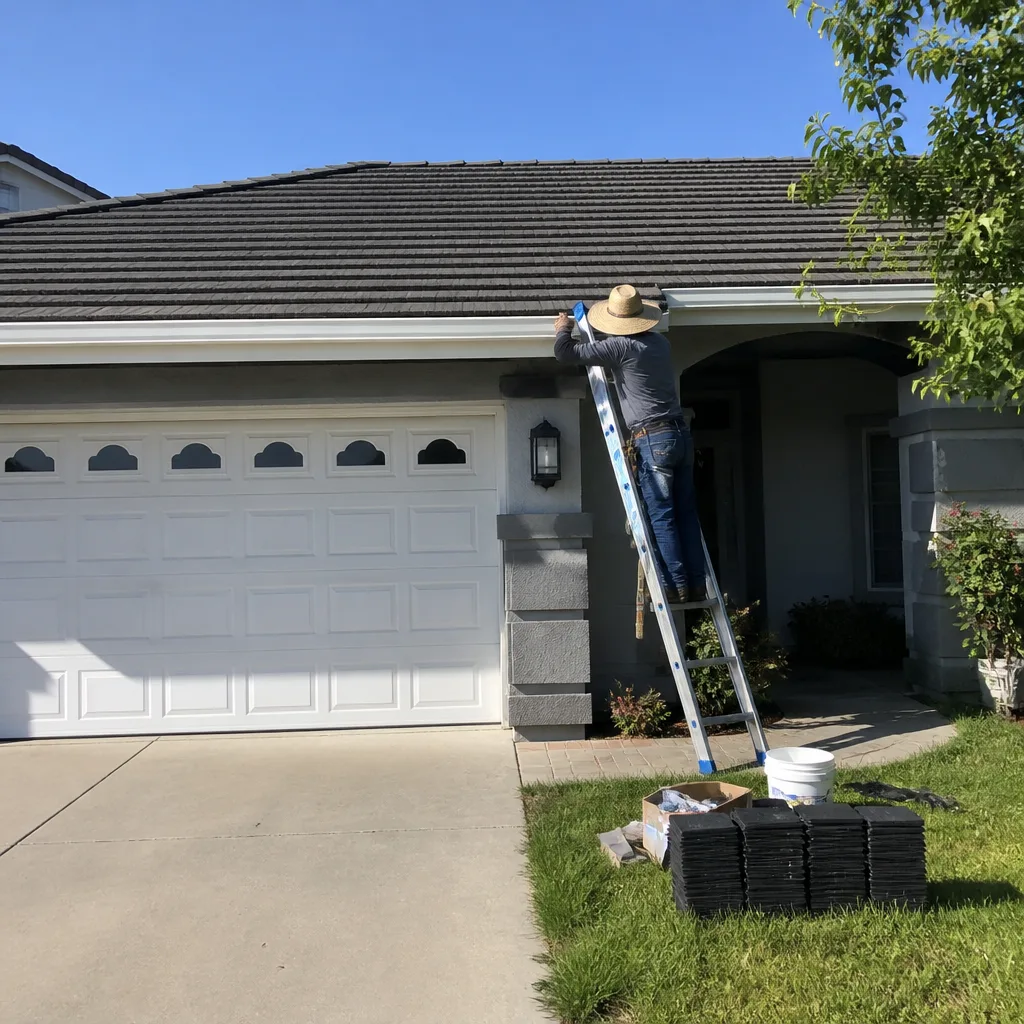
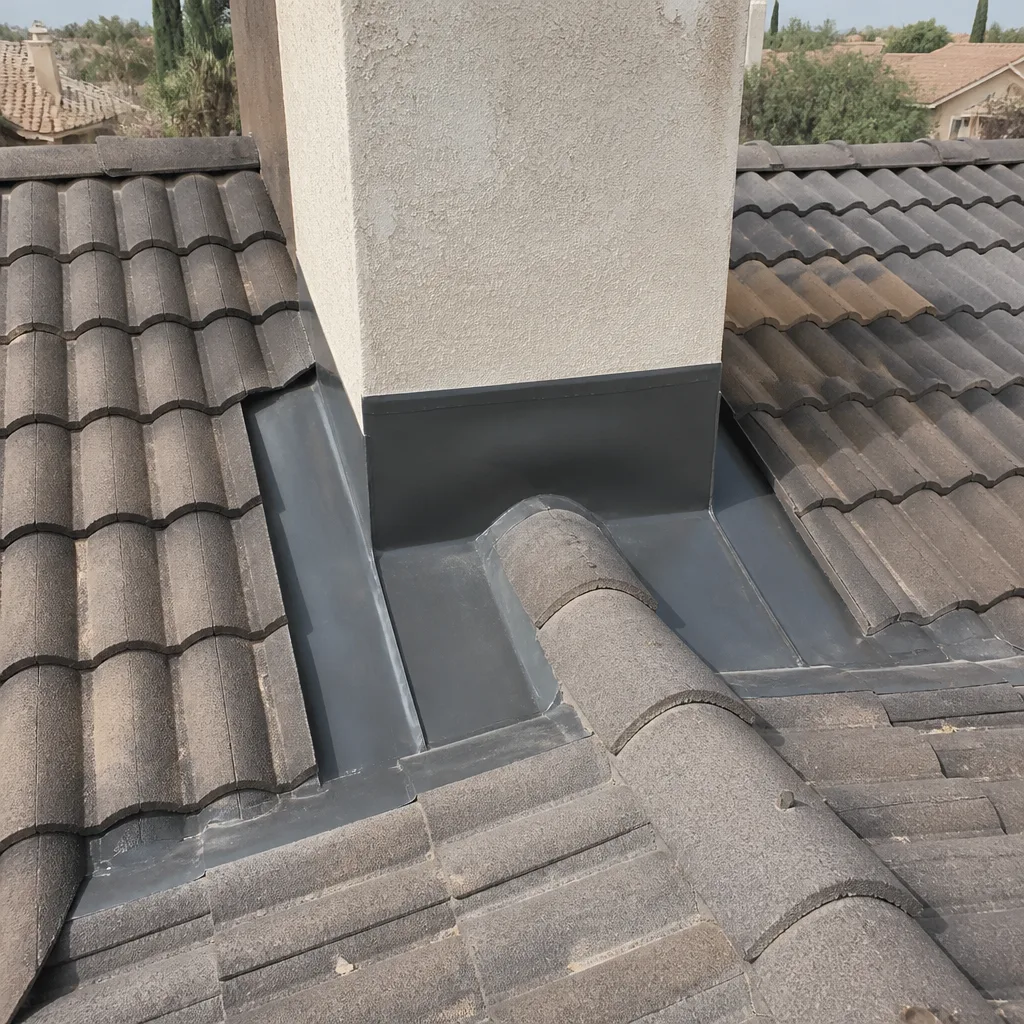 After
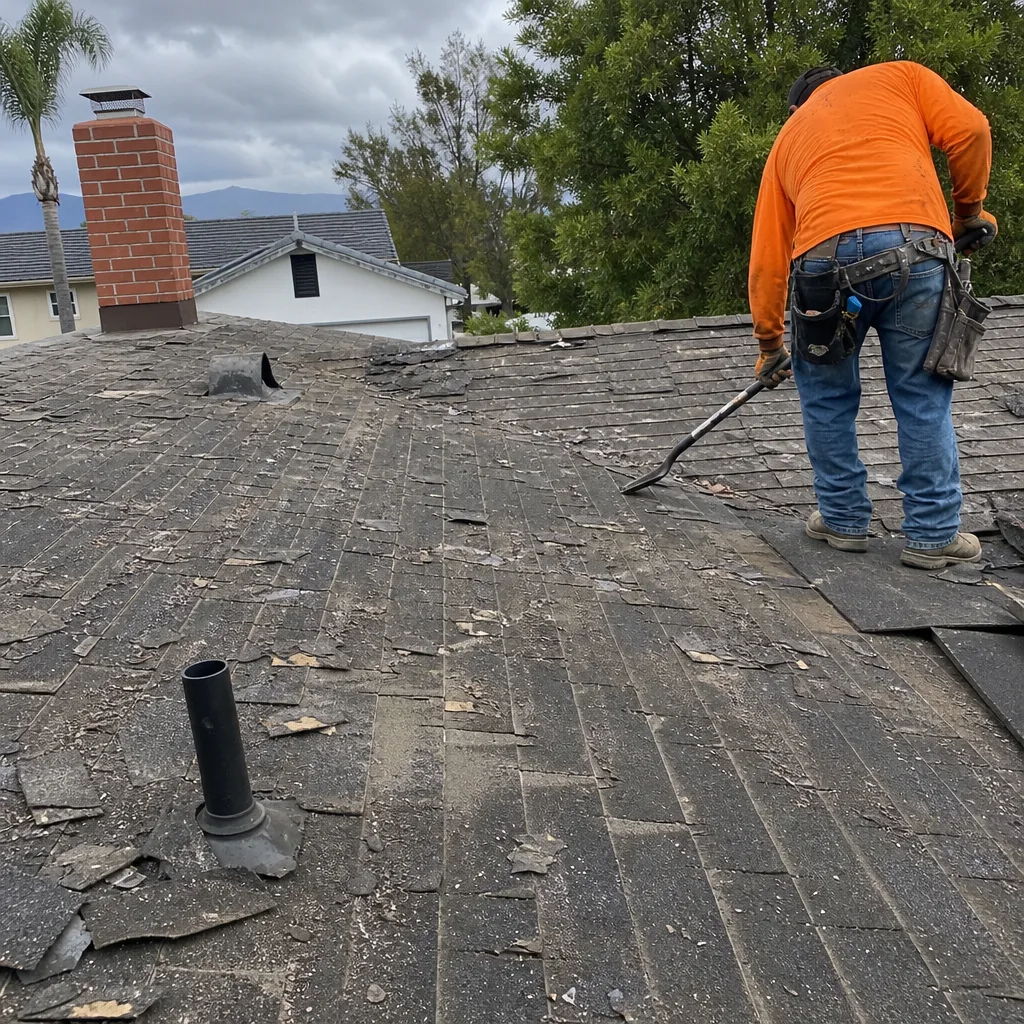 Before
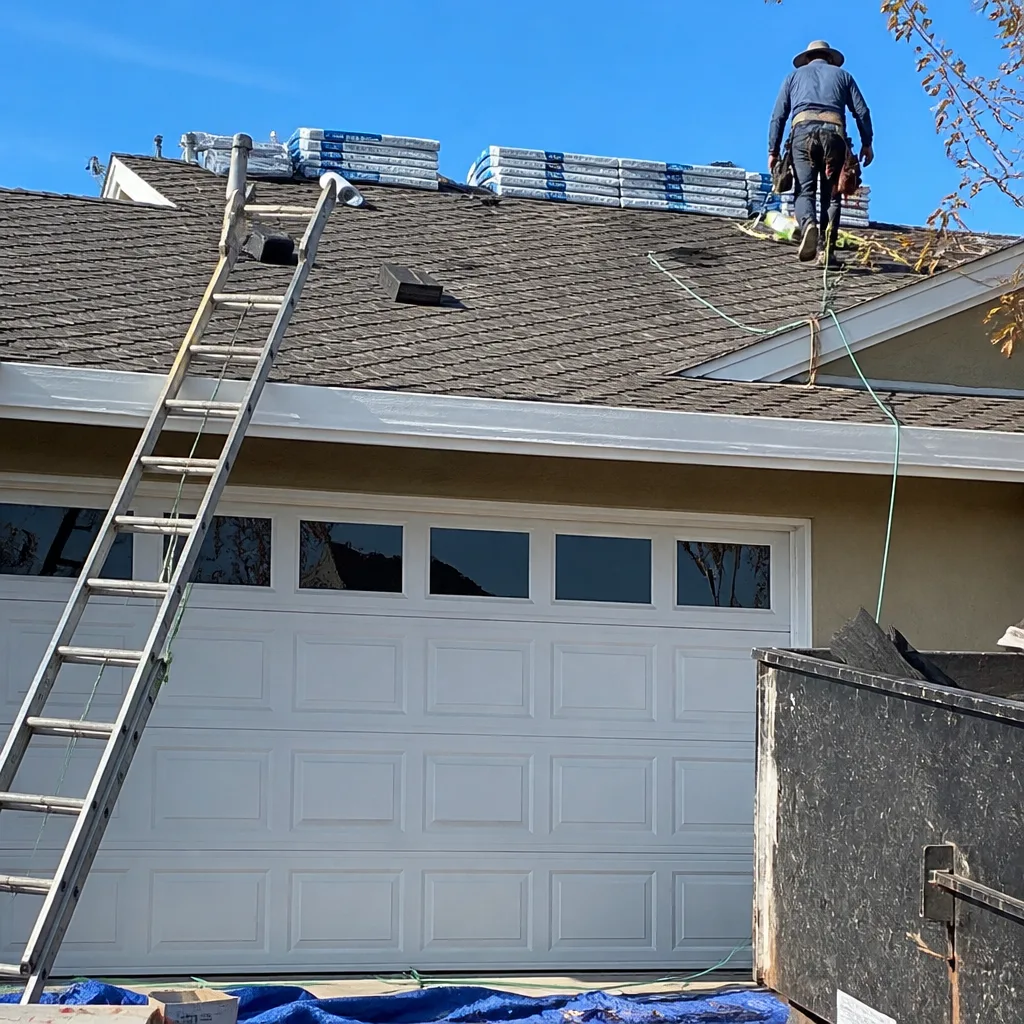 After
 Before
 After