
Last updated October 31, 2026
 Architectural shingles
 Metal roofing
 Tile roofing
 GAF
 Owens Corning
 Flat & low-slope
Free roof inspection with deck photos before we talk money - GAF and Owens Corning certified installation
Roof Repair Maintenance Checklist for Rancho Cucamonga Homeowners
A roof in Rancho Cucamonga can lose 30 to 40 percent of its protective granule coating before a single interior symptom shows up. By the time you see that water stain on the ceiling, the repair bill has often grown past what two years of $200 maintenance visits would have cost. This guide walks you through a zone-by-zone checklist built around the specific failure points that kill Inland Empire roofs early: UV granule loss, debris-loaded valleys from eucalyptus and palm shedding, and flashing failures caused by thermal expansion in triple-digit summers. For deeper help with actual fixes, see our Roof Repair Troubleshooting: Common Problems and How to Fix Them. You’ll learn what to inspect, how often, what you can safely handle yourself, and when to pick up the phone.
Styles & brands we work with
Quick Answer
A roof maintenance checklist for Rancho Cucamonga homeowners should cover six zones twice a year: ridge caps, valleys, penetration flashing, fascia boards, soffit vents, and gutter granule buildup. The most common local failure points are UV-baked shingles losing granules, eucalyptus bark and palm fronds piling up in valleys, and flashing pulling away from chimneys and vents after repeated thermal expansion. Most items take under 30 minutes to check from the ground or a ladder, and catching problems early typically keeps repair costs under $400 instead of $4,000.
Table of Contents
- The Zone-by-Zone Inspection Sequence for RC Homes
- Reading Granule Buildup in Gutters: The Leading Indicator
- The Debris Problem: Eucalyptus, Palms, and Mulberry Seedpods
- Flashing and Thermal Expansion: The Triple-Digit Summer Effect
- What to Handle Yourself vs. When to Call a Professional
- Printable Tracking Log: Spot Trends Before They Become Emergencies
- Common Mistakes to Avoid
- When to Call a Professional
- Frequently Asked Questions
- The Bottom Line
The Zone-by-Zone Inspection Sequence for RC Homes
Rancho Cucamonga’s housing stock falls into three broad categories: 1970s and 80s single-story ranch homes north of the 210, two-story tract homes built during the 1990s and 2000s housing booms, and a significant number of Spanish tile roofs in the older Alta Loma and Etiwanda foothill neighborhoods. Each roof style fails differently, but the inspection sequence stays the same. Work through these six zones in order, twice a year, and you’ll catch most problems before they turn into interior damage.
Zone 1: Ridge Caps
Ridge caps are the shingles or tiles that run along the peak of your roof where two slopes meet. On composition shingle roofs, ridge caps take direct sun from sunrise to sunset, every day of the year. In Rancho Cucamonga, that means they age roughly 30 percent faster than field shingles on the shaded north slope. Look for cracking along the fold line, missing granules, and caps that have lifted at the edges. From the ground, you can often see ridge cap damage as a slightly different color or texture along the peak line, especially on south-facing roof planes.
On Spanish tile roofs, ridge caps are the barrel-shaped pieces mortared along the peak. The mortar breaks down over time, and once a ridge cap shifts or falls, water has a direct path into the underlayment below. We’ve seen ridge cap mortar failure on tile roofs in Rancho Cucamonga as early as year 15, particularly on homes near the foothills where Santa Ana winds add mechanical stress on top of UV exposure.
Zone 2: Valleys
Valleys are the V-shaped channels where two roof planes meet, and they move more water than any other part of the roof during a winter storm. In Rancho Cucamonga, valleys carry an extra load: debris from mature landscaping. Eucalyptus bark, palm fronds, and mulberry seedpods wash down into valleys and sit there, holding moisture against shingles or tiles for weeks after a rain. That trapped moisture accelerates shingle deterioration and can work its way under flashing.
Check valleys from the ground with binoculars first. Look for dark streaks, lifted shingle edges, or visible debris piles. If you see debris accumulation, it needs to come off. On a single-story ranch, you can often remove light debris from a ladder with a soft brush. On a two-story home, this is a job for a professional with proper fall protection.
Zone 3: Penetration Flashing
Every pipe, vent, chimney, and skylight poking through your roof is a potential leak point, and each one relies on flashing to keep water out. In Rancho Cucamonga’s climate, flashing failure happens faster than in coastal areas because metal expands and contracts dramatically with temperature swings. A summer day can hit 105 degrees, and a winter night can drop to 38. That’s a 67-degree swing, repeated thousands of times over a roof’s life. Eventually, the sealant around flashing cracks, nails back out, and gaps open up.
Inspect flashing around plumbing vents and furnace flues first, since these are the most common leak sources. Look for separated sealant, rust, or metal that has pulled away from the pipe. From inside the attic, check for daylight around penetrations or dark staining on the plywood decking.
Zone 4: Fascia Boards
Fascia boards run along the roof edge behind your gutters. They do two jobs: they support the bottom row of shingles or tiles, and they carry your gutter system. In Rancho Cucamonga, fascia damage usually starts as paint failure from UV exposure, then progresses to wood rot once moisture gets into the raw wood. Homes with older gutters that overflow during downpours are the most vulnerable, since the overflow runs directly down the fascia face.
Look for peeling paint, dark water stains, soft or spongy wood, and gaps between gutter and fascia where water can seep behind. If you can push a screwdriver into the wood with hand pressure, the board needs replacement. Fascia repair is relatively inexpensive, but ignored fascia can lead to roof edge decking rot, which gets expensive quickly.
Zone 5: Soffit Vents
Soffits are the horizontal panels under the roof overhang. The vents in them feed air into your attic, keeping temperatures manageable in summer and preventing moisture buildup in winter. In Rancho Cucamonga’s summer heat, a blocked soffit vent system can push attic temperatures past 140 degrees, which bakes shingles from the underside and shortens their life. Blocked vents also contribute to condensation in the attic during winter, which can stain ceilings and grow mold.
Check soffit vents for paint overspray, cobwebs, dust, or debris. Each vent should be visibly open. If your attic feels like a sauna in July, your ventilation system isn’t doing its job, and that’s a problem worth addressing even before you see shingle damage.
Zone 6: Gutter Granule Buildup
Your gutters are the single best diagnostic tool on the entire roof. Composition shingles shed granules as they age, and those granules wash into gutters. A small amount is normal. A consistent buildup, year after year, is the canary in the coal mine. More on this in the next section.
Reading Granule Buildup in Gutters: The Leading Indicator
Asphalt shingle granules are not decorative. They are the shingle’s UV shield, protecting the asphalt layer underneath from the sun’s radiation. When granules come off, the asphalt is exposed, and the shingle begins to dry out, shrink, and crack. In Rancho Cucamonga, UV exposure is relentless. A south-facing roof plane at 2,500 feet of elevation receives roughly 10 percent more UV radiation than a similar home at sea level, and our summer heat accelerates the asphalt drying process.
Here’s a simple visual reference for reading your gutters during the fall or spring cleaning:
- Fine black dust or a light sprinkle of granules: Normal for a roof under 10 years old. No action needed.
- Quarter-inch deep granule accumulation across the full gutter length: Normal for a roof 10 to 15 years old, but worth monitoring. This is the warning phase.
- Granules piling up at gutter seams or downspout elbows, with visible asphalt showing through on south-facing shingles: The roof is in active decline. Start budgeting for replacement conversations.
- Bald shingles with exposed asphalt, plus granule piles in every gutter section: The roof has lost most of its protective layer. Any repair at this stage is temporary, and the cost per year of remaining life is often higher than replacement.
One helpful habit: when you clean your gutters, take a photo of the granule level before you rinse the trough. Compare photos year over year. The trend tells you more than any single observation. A roof that went from “light sprinkle” to “quarter-inch accumulation” in two years is aging faster than one that stayed stable for five.
For homeowners who notice significant granule loss, our Roof Inspection in Rancho Cucamonga service provides a documented starting point, including granule loss assessment, shingle condition mapping, and a written report of what we find before anyone discusses scope or cost.
The Debris Problem: Eucalyptus, Palms, and Mulberry Seedpods
Rancho Cucamonga’s mature landscaping is a defining feature of the city, but it creates specific roof maintenance challenges that generic checklists never mention. The trees you chose for shade and curb appeal are also the primary source of roof debris, and each type causes a different kind of damage.
Eucalyptus Bark
Eucalyptus trees shed bark continuously, but the heaviest drop happens during summer heat waves, exactly when your roof is most vulnerable. The bark is oily, fibrous, and slow to decompose, which means it doesn’t wash away in a storm. It sits in valleys and behind chimneys, trapping moisture against shingles and tile underlayment. Eucalyptus bark also contains natural oils that can stain shingles over time. Homes along the older streets of Alta Loma and Etiwanda, where eucalyptus windbreaks were planted decades ago, have the highest exposure.
Palm Fronds
Palm fronds are the heavy artillery of roof debris. A mature frond can weigh 10 to 20 pounds when wet, and when it falls, it hits the roof like a dropped sandbag. We’ve seen fronds crack tile, dent metal flashing, and tear shingles at the corner where the frond’s weight concentrates. After a wind event, fronds also slide down the roof slope and pile up in valleys, where they create perfect dams for water flow. The solution is regular palm trimming, but even well-maintained palms drop fronds during Santa Ana wind events.
Mulberry Seedpods
Mulberry trees drop seedpods in late spring and early summer, and the pods are the perfect size to wedge into gaps: behind gutters, under tile edges, around pipe flashing. They hold moisture, and as they decompose, they create an acidic environment that accelerates metal corrosion on flashing. If you have a mulberry anywhere near the house, inspect pipe flashing and gutter ends every June.
Flashing and Thermal Expansion: The Triple-Digit Summer Effect
Rancho Cucamonga regularly sees summer temperatures above 100 degrees, and the roof surface itself can reach 160 to 180 degrees on a July afternoon. At night, that surface cools by 100 degrees or more. This cycle repeats daily for five months of the year. Metal flashing expands during the day and contracts at night, and each cycle works like a slow-motion crowbar against the sealant and fasteners holding it in place.
The most common thermal expansion failures we see in Rancho Cucamonga:
- Chimney step flashing separating from mortar joints. The gap opens slowly, and the first sign is often a water stain on the ceiling near the fireplace during the first winter rain.
- Plumbing vent boots cracking at the seam. The rubber boot around the pipe degrades from UV, while the metal base expands and contracts, splitting the seal.
- Valley flashing rippling or lifting at the edges. Long runs of metal flashing buckle when the metal expands, and the buckle becomes a permanent weak point.
- Nail heads backing out of flashing edges. Thermal cycling loosens fasteners, and a backed-out nail leaves a water entry point.
Checking flashing twice a year, once in late spring before summer heat and once in late fall after the first rains, is the single most effective routine for catching thermal failures early. The spring check catches damage from the previous winter. The fall check catches damage from the summer expansion cycle, before winter rains turn small gaps into interior leaks.
If you find separated flashing, torn boot seals, or shifted step flashing, the repair is usually straightforward, but it needs to be done correctly with the right materials for our climate. A generic sealant patch rarely holds through the next summer. We recommend replacing damaged flashing rather than caulking over it, which is the approach we take with every Roof Repair in Rancho Cucamonga job.
What to Handle Yourself vs. When to Call a Professional
Some roof maintenance is safe and sensible for a homeowner to do. Some is genuinely dangerous. The difference is not about skill level; it’s about height, slope, and the consequences of a mistake. Here’s an honest breakdown.
Items Most Homeowners Can Safely Handle
- Gutter cleaning from a ladder. Use a sturdy ladder, keep it on level ground, and never overreach. Have someone hold the base.
- Visual inspections from the ground with binoculars. You can check ridge caps, valleys, and flashing from the ground with a decent pair of binoculars.
- Debris removal from single-story roof edges. Light debris at the gutter line can be pulled down with a soft brush on a pole, without stepping onto the roof.
- Attic inspections. Checking for daylight at penetrations, dark staining on decking, and blocked vents from inside the attic is completely safe and very informative.
- Downspout clearing. A plumber’s snake or a hose with a pressure nozzle clears most clogs in minutes.
Items That Belong with a Professional
- Any walking on the roof surface, especially tile roofs. Tile cracks under foot traffic, and the damage is often invisible from the ground. A cracked tile you can’t see becomes a leak in the wet season.
- Two-story roof inspections. Falls from second-story roof heights are frequently fatal. The risk is not worth the savings.
- Flashing repair or replacement. Correct flashing work requires understanding water flow, expansion tolerances, and proper fastening. A well-meaning repair can make a leak worse.
- Any work near electrical service masts. The weatherhead and service mast coming through the roof can carry live electricity. Professional roofers know the clearance requirements and safety protocols.
- Tile replacement on slopes steeper than 6:12. Steep slopes require fall protection equipment and training.
The repair-first philosophy matters here. Inspection costs far less than repair, and repair far less than replacement. Homeowners who inspect regularly and call for small repairs early rarely face the five-figure surprise. That’s the core of where we start at Suncrest Roof Repair home: inspect first, repair or replace only what’s needed.
Printable Tracking Log: Spot Trends Before They Become Emergencies
The most useful tool a homeowner can have is a simple log. Roof deterioration is gradual, and the human memory is unreliable. What looked like “a little more granules than last year” is hard to compare without a record. Here’s a format you can copy into a notebook, a spreadsheet, or a notes app on your phone.
Twice-Yearly Roof Check Log
Date: ______ | Season: Spring / Fall | Inspected By: ______
- Ridge caps: ___ Intact ___ Cracking observed ___ Missing pieces ___ Not visible clearly
- Valleys: ___ Clear ___ Light debris ___ Heavy debris ___ Dark staining observed
- Pipe and vent flashing: ___ Sealed, no gaps ___ Small gaps ___ Separated ___ Rust observed
- Fascia boards: ___ Paint intact ___ Peeling paint ___ Soft spots ___ Rot confirmed
- Soffit vents: ___ Open ___ Partially blocked ___ Fully blocked ___ Not inspected
- Gutter granules: ___ None ___ Light sprinkle ___ Quarter-inch pile ___ Heavy accumulation
- Attic check: ___ No daylight at penetrations ___ Light visible ___ Staining on decking ___ Mold odor
Notes for next inspection: ______
The real value of this log emerges after two or three iterations. You’ll see which areas are stable and which are changing. A valley that goes from “clear” to “heavy debris” in one cycle tells you a tree branch has grown over the roof, and pruning is needed before the wet season. A ridge cap that goes from “intact” to “cracking” in a year tells you the sun exposure on that plane is taking a toll, and repair will be needed sooner rather than later.
If your log shows consistent granule buildup, flashing separation, or fascia deterioration across multiple inspection cycles, that’s the point to schedule a professional roof inspection for a full condition report. You’ll get a documented assessment of what needs attention now, what can wait, and what the realistic timeline looks like for the roof’s remaining life. That’s information you can plan around, not react to.
Common Mistakes to Avoid
- Power washing a shingle roof. High-pressure water strips granules faster than five years of UV exposure. If you see a roof cleaning company with a pressure washer aimed at shingles, send them away.
- Caulking over the top of failed flashing. Sealant on the surface doesn’t address the gap underneath, and it traps moisture against the metal, accelerating rust. The flashing needs replacement.
- Ignoring gutters until they overflow. By the time a Rancho Cucamonga gutter overflows, the fascia has already been getting wet for months. Clean gutters protect more than the roof; they protect the entire roof edge.
- Walking on tile roofs to inspect them. Every footstep makes invisible microfractures in tile. A cracked tile today is a roof deck leak in two winters.
- Painting over soffit vent openings. Paint overspray blocks ventilation, which cooks shingles from underneath and shortens roof life. Vents need airflow, not aesthetics.
- Delaying repairs because “it hasn’t rained much.” In Rancho Cucamonga’s dry climate, a small leak can go unnoticed for months while the roof decking rots quietly. By the time you see the ceiling stain, the damage underneath is always bigger.
- Assuming a new roof means no maintenance. Even a brand-new roof with a 50-year manufacturer warranty still needs annual inspections for debris, flashing, and ventilation. The warranty requires maintenance documentation; skip it and the coverage may not apply.
When to Call a Professional
Some situations warrant a professional assessment immediately, not at the next twice-yearly check. Call a roofer if you see water staining on any interior ceiling or wall, granules filling gutters on a roof under 15 years old, flashing that has visibly separated from a chimney or pipe, missing shingles or tiles after a wind event, or daylight visible through the roof deck from inside the attic. These are active or imminent failure points, not maintenance items. A professional inspection will determine what’s actually wrong, what needs Roof Repair, and what can wait. Suncrest Roof Repair offers free estimates in Rancho Cucamonga, call (866) 538-0713 to schedule one.
For larger damage scenarios, Roof Replacement in Rancho Cucamonga covers the full lifecycle when a roof has reached the end of its serviceable life. We’ll walk through material options from seven leading brands, including CertainTeed, Owens Corning, and IKO, so you can choose what fits your home and budget.
Frequently Asked Questions
Inspect your roof twice a year, once in late spring and once in late fall. The spring check catches winter storm damage, and the fall check catches summer thermal-expansion damage before winter rains arrive. Homes with significant eucalyptus, palm, or mulberry trees nearby may need valley and gutter checks quarterly.
Basic homeowner-performed maintenance costs almost nothing, just time and a pair of binoculars. Professional roof inspections in Rancho Cucamonga typically run $150 to $350 depending on roof size and complexity. Minor repairs like flashing replacement or individual shingle replacement usually fall in the $250 to $600 range. A full replacement can range from $12,000 to $30,000 or more, which is why catching problems early matters so much. See our Roofing Cost Breakdown: The Rancho Cucamonga Homeowner’s Reference for 2026 for detailed pricing.
Composition shingle roofs in Rancho Cucamonga typically last 18 to 25 years on south-facing planes and 22 to 28 years on shaded planes, assuming proper ventilation and maintenance. Tile roofs last 40 to 60 years with underlayment replacement around year 20 to 25. The Inland Empire’s UV intensity and summer heat load shorten shingle life compared to coastal areas.
Yes, and you should. Binocular inspections from the ground cover ridge caps, valleys, flashing, and fascia on most single-story and two-story homes. Attic inspections from inside cover the underside of the roof deck, penetrations, and ventilation. Walking on the roof is never necessary for a routine maintenance check and is dangerous on tile roofs.
Tile roofs need valley debris removal, ridge cap mortar inspection, and underlayment condition checks. The tile itself is durable, but the underlayment underneath wears out over time, and debris trapped under tiles accelerates that wear. A tile roof should have a professional inspection every two to three years to catch underlayment issues before they become interior leaks.
Yes. Most manufacturer material warranties from brands like Atlas and CertainTeed require evidence of reasonable maintenance, including debris removal and professional inspections, for warranty claims to be honored. A simple written log with dates and photos is sufficient documentation for most claims.
The Bottom Line
Roof maintenance in Rancho Cucamonga is not about following a generic seasonal calendar. It’s about understanding your specific roof’s failure points: UV granule loss on south-facing planes, debris from eucalyptus and palms in valleys, thermal-expansion stress on flashing. Inspect twice a year, keep a written log, remove debris promptly, and call a professional when the log shows trends heading the wrong direction. The goal is simple: catch small problems before they become expensive ones. For more guides & resources on protecting your home, explore our blog. A $300 flashing repair today beats a $4,000 interior repair and redeck next winter. Your roof, your budget, your call.
Written by the team at Suncrest Roof Repair, serving Rancho Cucamonga since 2015.
See the difference
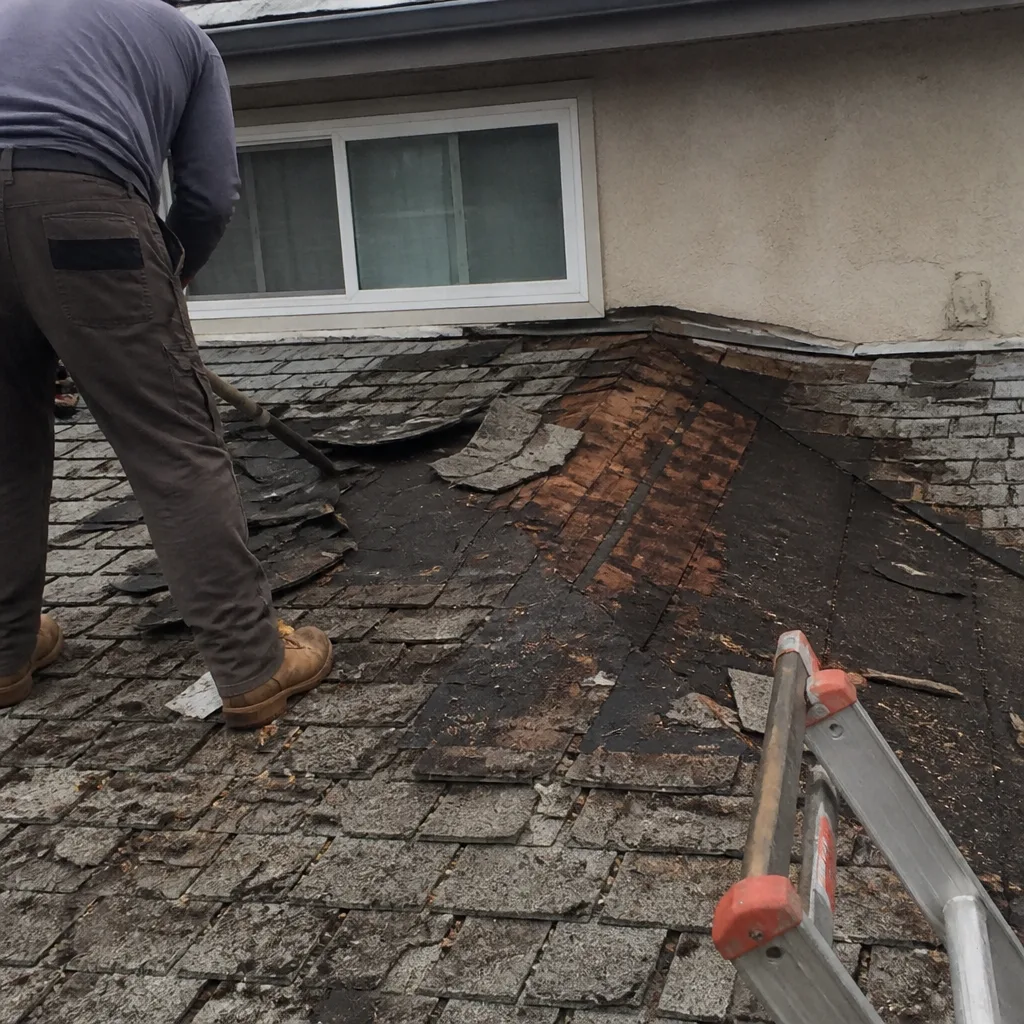 Before
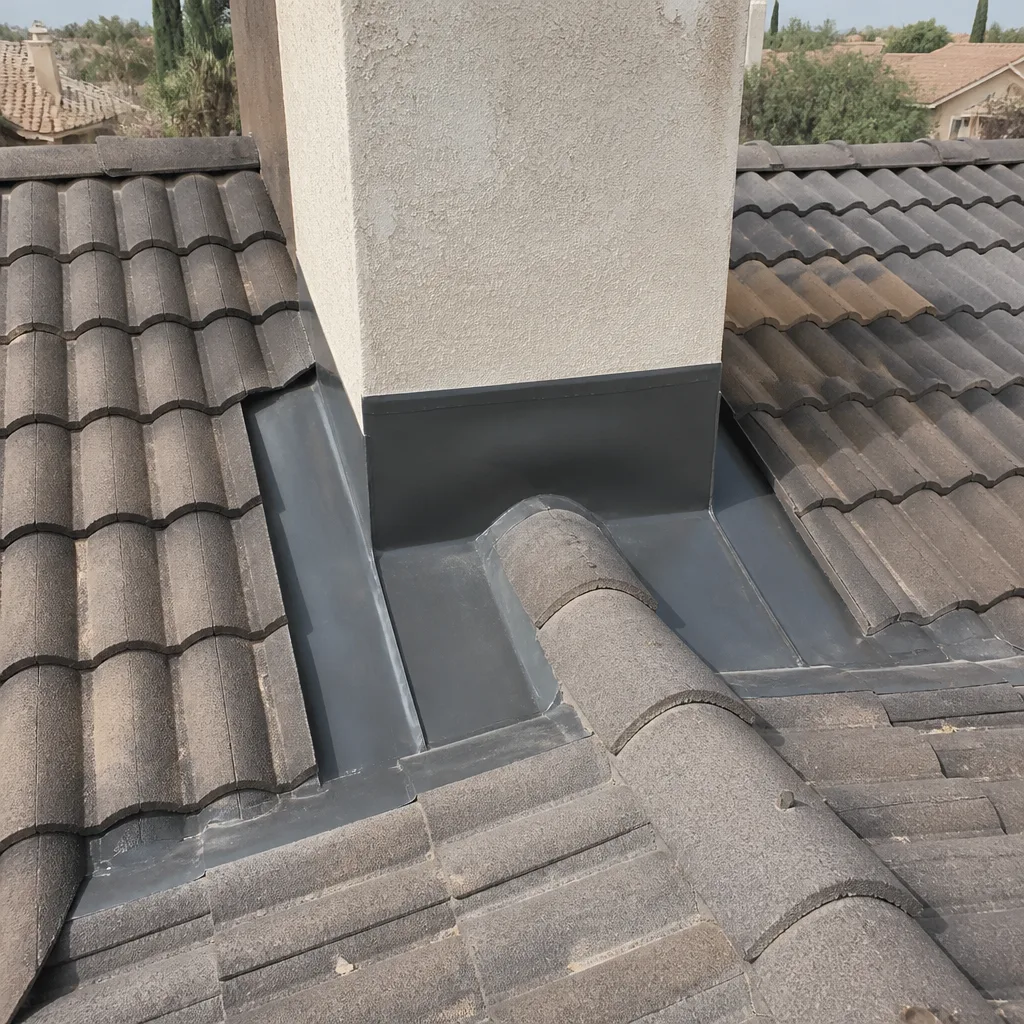 After
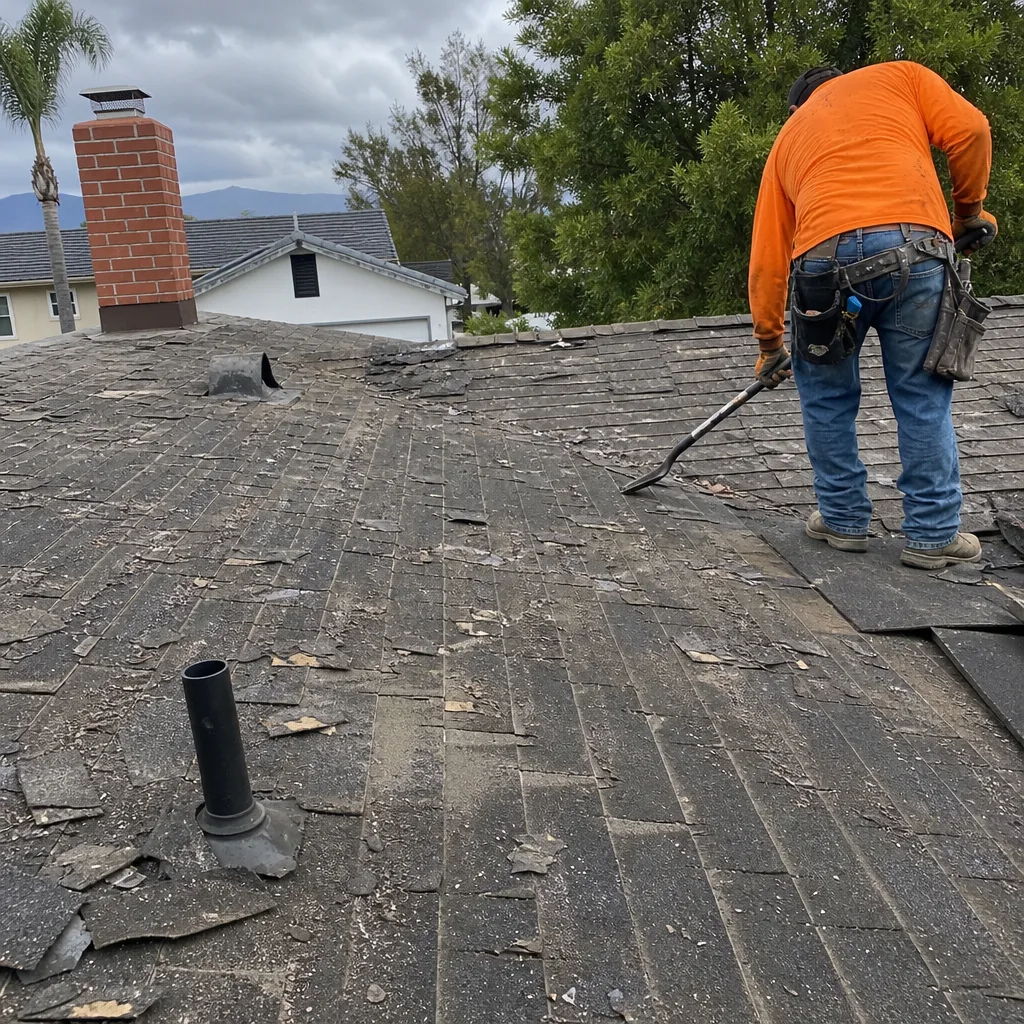 Before
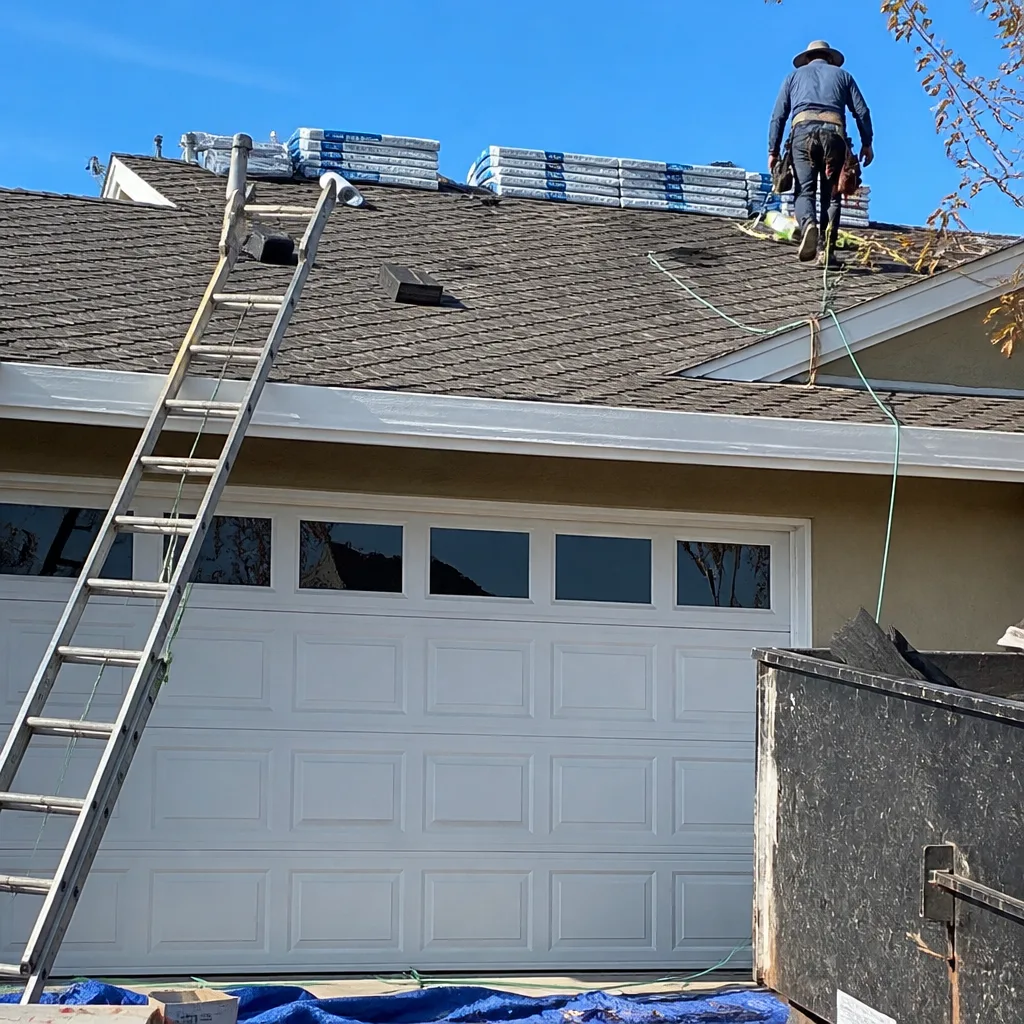 After
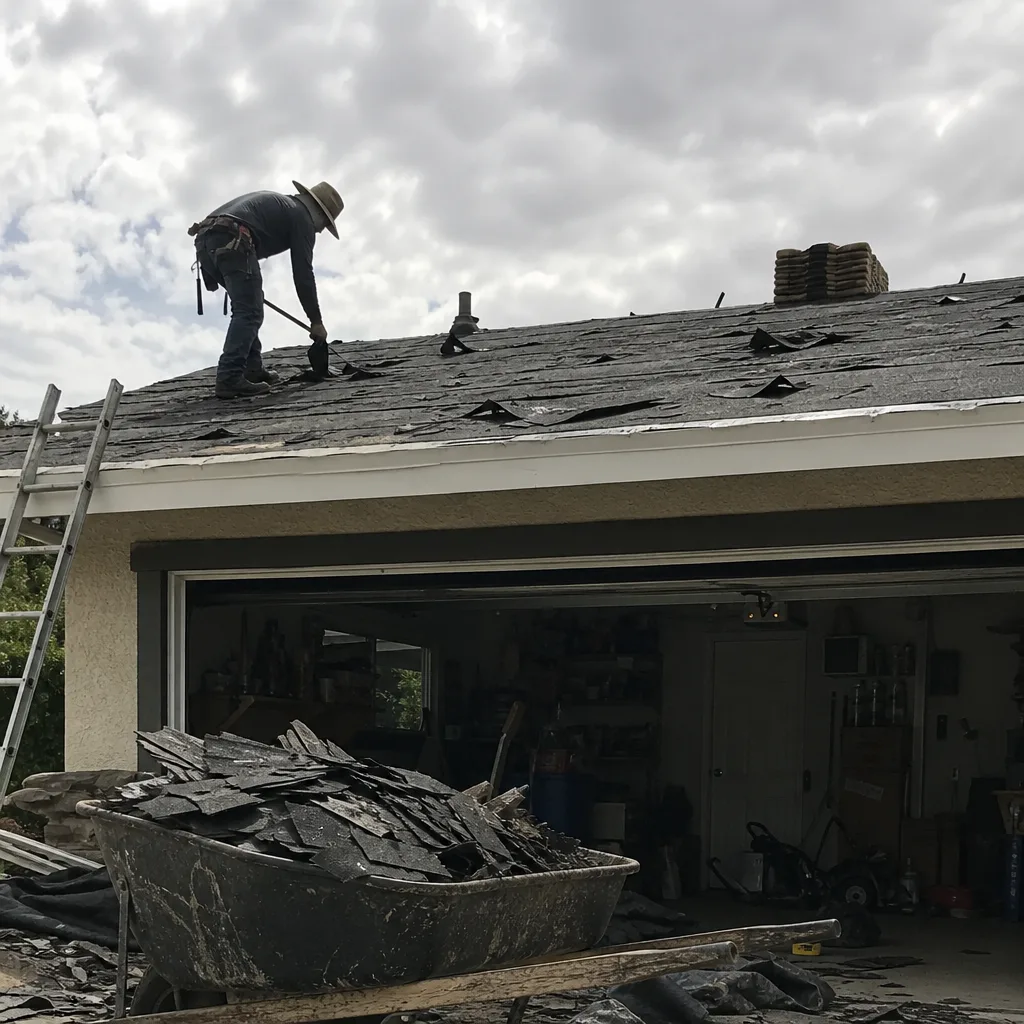 Before
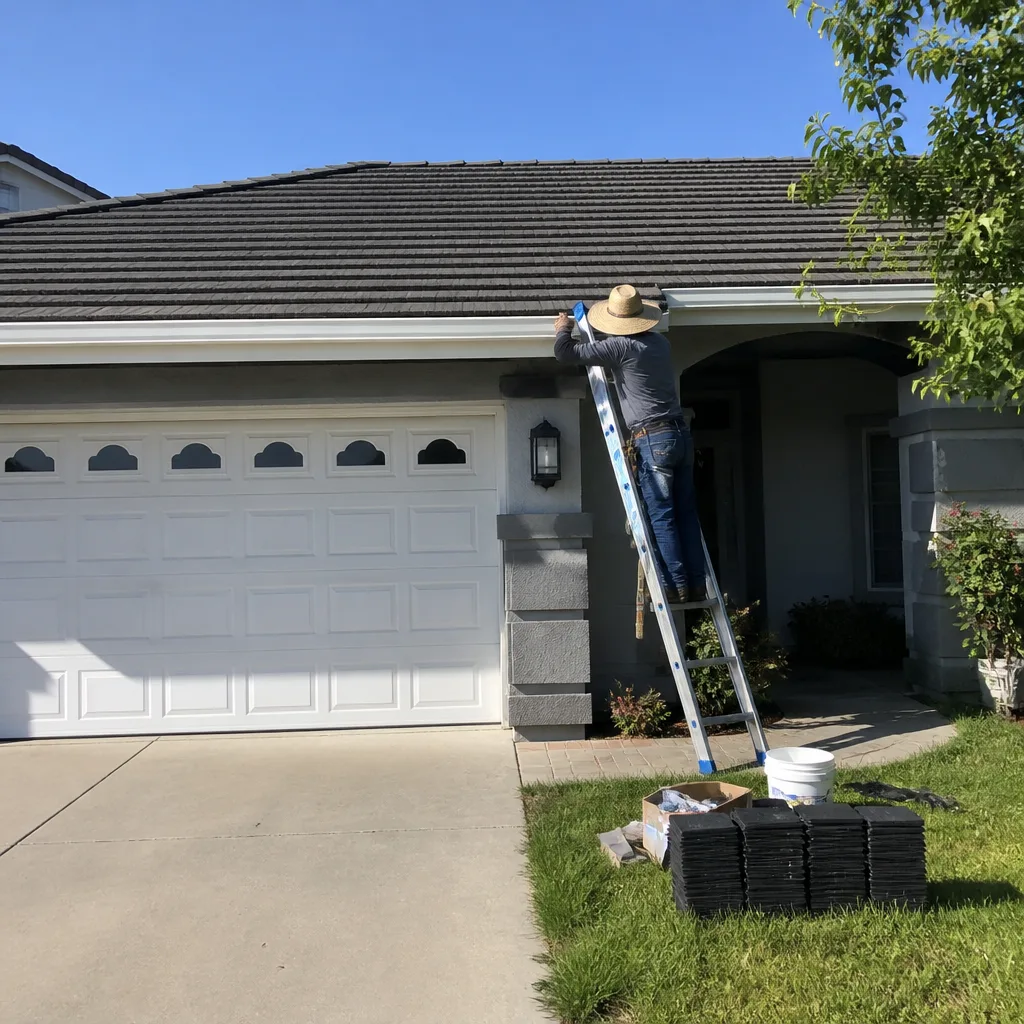 After