
Last updated October 31, 2026
 Metal roofing
 Architectural shingles
 Tile roofing
 GAF
 Owens Corning
 Flat & low-slope
Free roof inspection with deck photos before we talk money - GAF and Owens Corning certified installation
Roofing Warning Signs: A Rancho Cucamonga Homeowner’s Reference Guide
Most roofing guides start with the same advice: look for water stains on your ceiling. That works in Seattle or Portland, where six months of steady rain will expose a failing roof in a single winter. But in Rancho Cucamonga, where we get roughly 15 inches of rain in a good year, a compromised roof membrane can go undetected for 18 months or longer before producing a single visible interior stain. By the time water shows up on your drywall, the decking underneath your shingles may already be rotting. This guide flips the script. We’re focusing on exterior and attic warning signs that appear far earlier than interior damage, because in this climate, your ceiling is the last place a roofing problem announces itself.
Styles & brands we work with
Quick Answer
The earliest roofing warning signs in Rancho Cucamonga are visible from the ground or inside your attic: granule loss creating a shadow-like pattern on shingles, curling or lifting shingle edges, cracked tile or broken ridge caps, daylight visible through attic gaps, and dark streaks or stains on attic rafters. Interior ceiling stains are a late-stage symptom in Southern California’s dry climate, not an early warning sign. If you spot any of these, schedule a professional Roof Inspection in Rancho Cucamonga before the next winter rain season.
Table of Contents
- The Five Exterior Warning Signs You Can See From the Ground
- The Granule-Shadow Effect: What Homeowners Miss on Lighter Roofs
- Attic Warning Signs That Appear Before Interior Damage
- Wind Damage vs. UV Degradation vs. Manufacturing Defects: Why the Distinction Matters
- Tile Roof Warning Signs Specific to Rancho Cucamonga Neighborhoods
- The Photo Documentation Habit That Protects Your Insurance Claim
- Common Mistakes to Avoid
- When to Call a Professional
- Frequently Asked Questions
- The Bottom Line
The Five Exterior Warning Signs You Can See From the Ground
You don’t need a ladder to spot most early roofing problems. In our experience working on homes throughout Rancho Cucamonga, the majority of failing roofs we replace show at least one of these five signs clearly visible from the driveway or sidewalk. The key is knowing what to look for before the damage compounds.
- Curling or cupping shingle edges. When shingle corners start to turn upward or the edges lift away from the roof deck, the asphalt is losing its flexibility. This happens after years of Rancho Cucamonga’s intense UV exposure. Curled shingles can’t seal properly, which means wind can get underneath them during Santa Ana events and tear them off entirely.
- Missing shingles after wind events. Rancho Cucamonga sits in a known wind corridor, particularly in neighborhoods north of the 210 freeway near the foothills. If you see bare patches of underlayment after a windstorm, even small ones, that’s your roof telling you the sealant strips on surrounding shingles have likely failed too.
- Dark streaks or moss-like growth. In shaded areas, particularly on north-facing slopes or under overhanging trees, you may see dark staining. This is typically algae or, in some cases, moss. Moss holds moisture against shingles for extended periods, accelerating granule loss and shortening the lifespan of the material beneath it.
- Sagging or wavy roof planes. Walk to the street and look at your roof line. It should be straight. Any dip, wave, or unevenness suggests the decking underneath is compromised, usually from water that’s been getting in longer than you’d expect. This is a structural concern, not a cosmetic one.
- Visible shingle fragments in gutters or downspouts. After any rain or wind, check your gutters and the ground near your downspouts for small pieces of shingle. Asphalt shingle material in your gutter means the sealant has failed and pieces are breaking off. This is a clear sign of active degradation.
Each of these signs is an invitation to inspect before prescribing. That’s how we approach every job at Suncrest Roof Repair. A missing shingle might be a $40 repair or it might be the visible edge of a systemic failure. The only way to know is a professional Roof Inspection in Rancho Cucamonga, which gives you a documented starting point before any work is quoted.
The Granule-Shadow Effect: What Homeowners Miss on Lighter Roofs
Here’s a warning sign that almost never appears in generic roofing guides. On lighter-colored asphalt shingle roofs, which are common in Rancho Cucamonga’s newer developments east of Haven Avenue, granule loss creates a subtle shadow pattern that homeowners consistently overlook. When shingles lose their protective ceramic granules, the underlying asphalt layer is exposed. This creates areas that look slightly darker or discolored compared to surrounding shingles, almost like a shadow cast across the roof where no shadow should be.
We call this the granule-shadow effect. It’s not dramatic. It doesn’t photograph well on a phone from the street. But once you know what it looks like, you’ll spot it in under a minute.
Here’s how to check for it:
- On a clear day, stand across the street from your home and look at the roof’s lightest areas.
- Scan for patches that appear slightly darker than surrounding shingles, especially near the eaves or in the center of roof planes where water flow concentrates.
- Compare sections. If one area looks uniformly darker and has less visible texture than adjacent sections, that’s likely granule loss, not a shadow from a tree or neighboring structure.
- If you have binoculars, look closely at the suspect area. Gritty, smooth, or shiny patches confirm the granules are gone.
Granule loss accelerates once it starts. The granules protect the asphalt from UV radiation, and without them, the shingle body degrades rapidly under Rancho Cucamonga’s roughly 280 sunny days per year. A roof with visible granule shadowing on multiple planes typically has anywhere from a few hundred square feet to a full roof replacement in its near future.
One note on materials: if granule loss is extensive and you’re considering replacement, it’s worth knowing that modern shingle lines from brands like CertainTeed and Owens Corning use different granule adhesion technologies than shingles installed 20 years ago. Some of the granule loss we see on older Rancho Cucamonga roofs simply wouldn’t happen at the same rate with current-generation products. That’s not upsell talk. It’s just the reality of how asphalt shingle manufacturing has improved.
Attic Warning Signs That Appear Before Interior Damage
If you have accessible attic space, the single highest-value inspection you can do is in the attic, not on the ceiling below it. Your attic shows roof failure months or years before your drywall does, especially in a dry climate. Here’s what to look for when you go up with a flashlight on a sunny day.
- Daylight gaps. With the attic lights off, look up at the roof deck. Any pinhole of daylight coming through means the roof assembly has been breached. In an asphalt shingle roof, this typically means a shingle is missing or cracked, or flashing has separated. In a tile roof, it can mean a broken or shifted tile. Any daylight gap is water’s entry point during the next rain.
- Insulation staining patterns. Water enters the attic in specific, localized paths. When it drips onto insulation, it creates distinct staining: dark rings, yellow-brown patches, or flattened, matted areas where the insulation has compressed. Track these stains upward. The highest stain is usually near the entry point.
- Rafter dark spots. Water that runs down rafters leaves behind mineral deposits and promotes mold or mildew growth that darkens the wood. If you see dark streaks running down rafters, especially ones that don’t align with the rest of the wood’s natural grain variation, water has been traveling along that path. The darker and more widespread the staining, the longer the leak has been active.
- Rust on exposed nail points. The nails that secure your decking and shingles protrude through the underside of the roof deck. Rusty nail points or rust streaks around them mean moisture has been present in that area. It’s an early sign that water is getting through or condensation is sitting against the decking.
- Bowed or warped decking. Plywood or OSB decking that has absorbed moisture will delaminate and warp. Run your hand over accessible decking areas. Any section that feels soft, gives under light pressure, or is visibly uneven should be treated as water-damaged until proven otherwise.
Attic inspection isn’t just a DIY exercise. When our crew does a full Roof Inspection in Rancho Cucamonga, the attic walk is a mandatory part of the process. We’ve found active leaks in attics where the ceilings below were flawless, and the homeowner would have gone another full year without knowing. Inspect first, repair or replace only what’s needed. It’s the only approach that makes sense in this climate.
Wind Damage vs. UV Degradation vs. Manufacturing Defects: Why the Distinction Matters
Not all roof damage is the same, and the difference determines whether your repair is covered by insurance, a manufacturer warranty, or out of pocket. In Rancho Cucamonga, we deal with three primary failure types: wind damage, UV degradation, and manufacturing defects. Each has a distinct signature and a different path to resolution.
Wind damage is intermittent and event-driven. It shows up as shingles that are creased, torn, or completely missing. The damage typically concentrates on roof edges, corners, and around penetrations where wind uplift forces are highest. If you notice damage immediately after a Santa Ana wind event, the mechanism is clear. Insurance claims for wind damage require documentation that the winds exceeded the shingle’s rated capacity, which is why photographing your roof before and after major wind events matters.
UV degradation is gradual and uniform. It shows up as consistent granule loss across entire roof planes, widespread curling, and shingle brittleness. This is the most common failure mode we see in Rancho Cucamonga, where high-heat, high-UV conditions bake roofs over decades. UV damage is rarely an insurance matter because it’s considered normal wear. It is, however, a strong signal that your roof has served its useful life.
Manufacturing defects are the rarest and often the hardest to identify. They show up as premature granule loss, blistering, cracking, or dimensional instability in shingles that are only a few years old. If a roof we installed recently shows early failure, we want to know about it. That’s one reason we work with seven major brands including GAF, CertainTeed, Owens Corning, IKO, Atlas, Tamko, and Boral. When a homeowner has a legitimate manufacturer issue, having a contractor who can navigate warranty claims with these companies makes a real difference to the outcome.
Here’s the key distinction homeowners need to understand: your insurance covers sudden, accidental events. Your warranties cover material or workmanship failures. Your maintenance budget covers normal aging. Mixing up these categories leads to denied claims and frustrated repair processes.
If you’re not sure which category your roof fall into, start with an inspection. We explain what we find before we touch a thing, and the inspection report gives you a documented basis for whichever path applies.
Tile Roof Warning Signs Specific to Rancho Cucamonga Neighborhoods
Concrete and clay tile roofs are common in many established Rancho Cucamonga neighborhoods, particularly in the older sections south of Foothill Boulevard and in hillside communities where tile complements the terrain. Tile roofs last far longer than asphalt, often 40 to 50 years or more, but they fail in predictable ways. And some tile failures matter more than others.
The most important distinction is between field tile damage and ridge cap damage.
Cracked field tiles are the most common issue. A crack through the face of a tile is visible from the ground if you look carefully. Cracked field tiles are usually a cosmetic and minor functional issue. The underlayment beneath the tile is the real waterproofing layer, so a single cracked tile rarely means water is entering the home. It does mean, however, that the tile is compromised and should be replaced before the crack widens or the tile breaks entirely.
Broken or displaced mortar ridge caps are a more urgent problem. The ridge caps are the tiles that sit along your roof’s peak, held in place with mortar. When that mortar cracks and the cap tiles shift or fall, you have open gaps at the very top of your roof. Rain entering ridge gaps travels directly along the underlayment and can saturate the decking across a wide area. This isn’t a localized cosmetic issue; it’s an open path for water intrusion.
In our experience, ridge cap mortar is the single most common point of failure on Rancho Cucamonga tile roofs that are 20 years or older. The freeze-thaw cycles we occasionally get in winter, combined with decades of thermal expansion and contraction, slowly break the mortar bonds. If you see visible gaps, missing ridge tiles, or chunks of mortar in your gutters, schedule an inspection sooner rather than later.
For homeowners considering a tile-to-asphalt conversion or a full tile replacement, our access to seven major brands means we’re not locked into recommending one material type over another. Your roof, your budget, your choice of material. If tile is right for your home and neighborhood, we have the brands to support that. If a modern architectural asphalt shingle from CertainTeed or IKO better fits your budget and performance needs, we’ll tell you that too.
The Photo Documentation Habit That Protects Your Insurance Claim
Every Rancho Cucamonga homeowner should keep a simple photo record of their roof’s condition. It takes ten minutes twice a year and can save you thousands of dollars in claim disputes if a wind event or hailstorm causes damage. Insurance companies deny claims based on pre-existing damage, and the homeowner who can prove their roof was intact before the storm is the homeowner whose claim gets approved.
Here’s a practical documentation routine that works:
- Twice a year, usually in April and October, take 8-12 photos of your roof. Photograph each roof plane from the ground, plus close-ups of ridge lines, flashing points, and any areas you’ve previously noted as concerns. October photos matter most because they document your roof’s condition before the winter rain season.
- Take photos after every significant wind event. In Rancho Cucamonga, a “significant” wind event is anything where you see tree branches down or trash bins blown over. If the wind moved things at ground level, it moved things at roof level too.
- Shoot at a consistent angle. Use the same spots for your seasonal photos. Consistency makes it easy to compare year over year and spot changes.
- Store photos in a cloud service with dates preserved. Google Photos, iCloud, or any service that timestamps automatically. The timestamp is the evidence. Screenshots without verifiable dates are weak evidence.
- When you hire a contractor for any work, request before-and-after photos as part of the job. At Suncrest Roof Repair, we document every repair and replacement with photos, which gives homeowners a professional visual record for future claims.
This habit is cheap insurance. The homeowner who can show their adjuster a photo of an intact ridge from three weeks before a windstorm is in a fundamentally stronger position than the homeowner relying on a verbal description of what their roof “looked like.” If a warning sign develops into a major repair, that photo trail protects your claim and holds your contractor accountable to a documented baseline.
Common Mistakes to Avoid
- Waiting for interior stains before taking action. In Rancho Cucamonga’s climate, interior staining means the roof has been leaking for a long time. The water you see on your ceiling is the tip of a problem that has already compromised decking and insulation. Acting on exterior and attic signs prevents this from ever happening.
- Ignoring granule loss because the roof “looks okay from the street.” Granule loss is the single most overlooked early warning sign on Rancho Cucamonga homes. The granule-shadow effect we described earlier is subtle, but it signals that shingles are in active decline. Once granules are gone, the clock is running faster.
- Assuming tile roofs are maintenance-free. Tile roofing lasts decades, but mortar ridge caps degrade and cracked tiles need replacement. The underlayment beneath the tile has its own lifespan and will need eventual replacement even if the tiles themselves are intact.
- Filing an insurance claim for UV degradation or normal wear. Insurance covers sudden, accidental damage. Filing a claim for a roof that’s simply old results in denial and potentially higher premiums. Know which damage type you’re dealing with before calling your insurer.
- Patched repairs without addressing root causes. Replacing a few shingles without investigating why they failed creates a cycle of recurring leaks. If one section failed, the adjacent sections often share the same vulnerability. A proper inspection identifies the extent before patchwork repairs mask the problem.
- Not photographing your roof before storm season. When wind or hail damage occurs, the burden of proof falls on you. Homeowners with documented pre-storm condition photos process claims faster and with less friction. It’s the easiest step on this list, and the most frequently skipped.
- Choosing a contractor because they were the cheapest bid. Roofing is not a commodity. Different contractors propose different scopes, materials, and workmanship standards. A low bid that skips decking repair, uses substandard underlayment, or omits necessary flashing replacement will cost more by year five. Your roof, your budget, but make the comparison apples to apples.
When to Call a Professional
Schedule a professional roof inspection if you notice any of the exterior warning signs described here, particularly curling shingles, granule shadowing, cracked tile, or broken ridge caps. Also schedule one if your attic inspection reveals daylight gaps, stained insulation, or dark rafter marks. If you’ve owned your home for more than ten years and haven’t had an inspection, it’s time. If you’re uncertain whether a recent wind event caused damage that requires insurance involvement, an inspection gives you a documented assessment to base that decision on. Suncrest Roof Repair offers free estimates in Rancho Cucamonga, and our inspection-first approach means you get a clear picture of your roof’s condition before any repair or replacement conversation begins. Call (866) 538-0713 to schedule yours.
Frequently Asked Questions
Look for five ground-visible signs: curling or cupping shingle edges, missing shingles after wind events, dark streaks from algae or moss, visible sagging in the roof plane, and shingle fragments collecting in gutters. On lighter roofs, scan for the granule-shadow effect: patches that look consistently darker than surrounding areas, which indicates the protective granules have worn away. Any of these warrants a professional inspection.
Many roofing companies, including Suncrest Roof Repair, offer inspections at no cost or as part of a free estimate. The inspection gives you a documented report of your roof’s condition, which is valuable whether you proceed with repairs immediately or just want a baseline for future reference. Call (866) 538-0713 to schedule yours and ask about current inspection pricing.
Granule loss appears as areas where shingles look smoother, shinier, or darker than surrounding sections. In moderate cases, you’ll see a patchy, shadowed appearance across a roof plane. In advanced cases, you’ll see bare asphalt showing through with an almost glossy look. Granule granules also collect in gutters, so finding coarse, sand-like material in your gutter runs is a confirming sign.
We don’t recommend it. Walking on tile roofs requires specialized technique to avoid cracking more tiles than you’re there to fix, and ridge cap mortar work requires material expertise to match existing mortar and create a durable bond. Improper tile walking can cause hundreds of dollars of additional damage in minutes. This is a job for a professional who works on tile roofs regularly.
Rancho Cucamonga’s low annual rainfall means water intrusion is sporadic, and interior damage appears much later than in wetter climates. A roof can leak during the winter months, dry out during the long dry season, and show no interior signs for a year or more. Meanwhile, trapped moisture continues degrading decking and insulation. This is why exterior and attic inspection matters more here than in other regions.
Insurance typically covers sudden, accidental damage from events like windstorms, hail, or falling debris. It does not cover gradual wear, UV degradation, or normal aging. If your roof shows signs of uniform granule loss and curling from age, that’s a maintenance item, not an insurance matter. For wind damage claims, documentation matters: photos of your roof before and after the event strengthen your claim. An inspection report from a licensed contractor can also support the claim by documenting the damage mechanism.
The Bottom Line
In Rancho Cucamonga, the best roofing warning sign system is one that looks at your roof and attic, not your ceiling. Exterior signs like curling shingles, granule shadowing, and broken ridge caps appear months or years before interior water damage. Attic inspection reveals daylight gaps, stained insulation, and rafter marks that signal active water intrusion while your drywall still looks perfect. Document your roof’s condition twice a year, learn to distinguish wind damage from UV degradation, and treat any tile ridge issue as a priority. When you spot a warning sign or simply want a professional baseline, start with an inspection. From the first inspection to the final shingle, Suncrest Roof Repair home is here to help. For Roof Repair in Rancho Cucamonga, you’ll get an honest assessment, and if replacement becomes necessary, our Roof Replacement in Rancho Cucamonga process starts with the same inspection-first philosophy. Call (866) 538-0713 for a free estimate.
Written by the team at Suncrest Roof Repair, serving Rancho Cucamonga since 2015. From the first inspection to the final shingle, we handle inspection, repair, and replacement, with access to seven leading roofing brands including GAF, CertainTeed, Owens Corning, IKO, Atlas, Tamko, and Boral, so the recommendation always fits the roof, not our warehouse.
See the difference
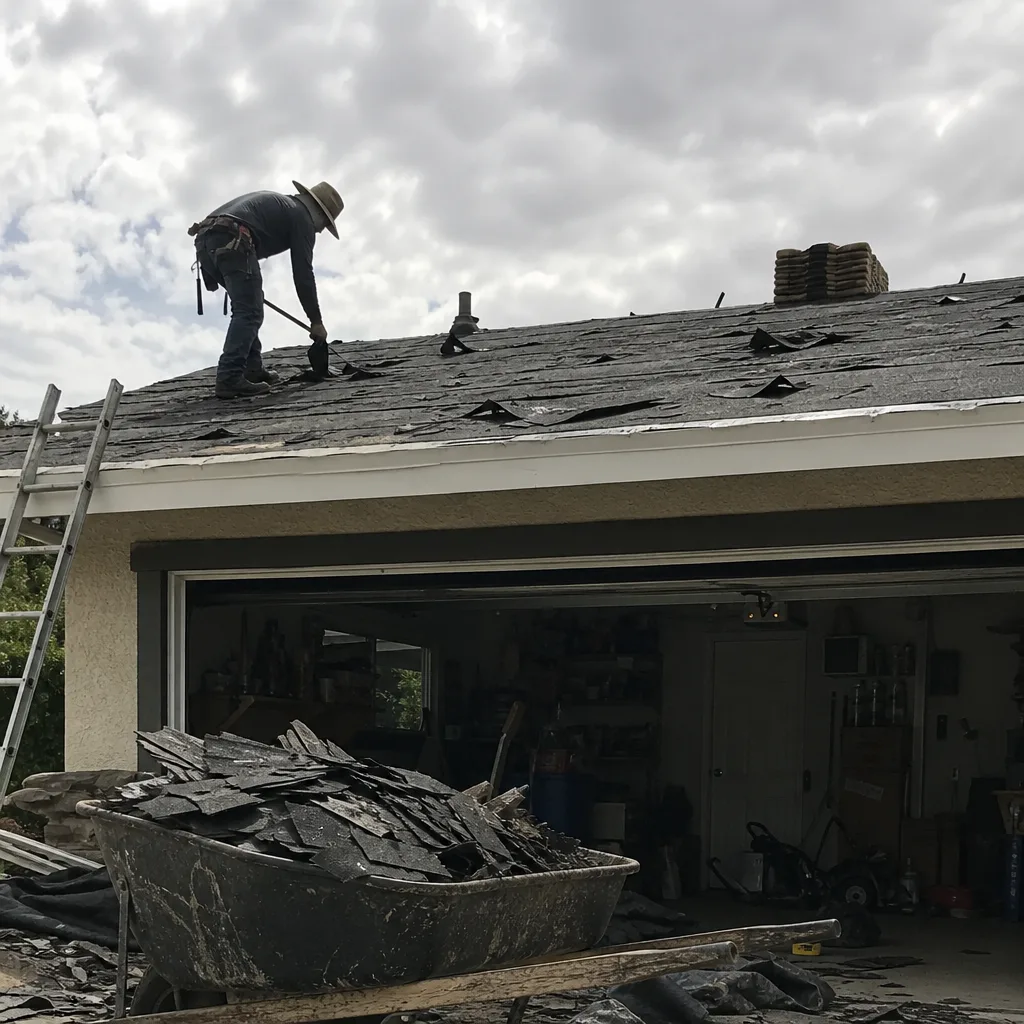
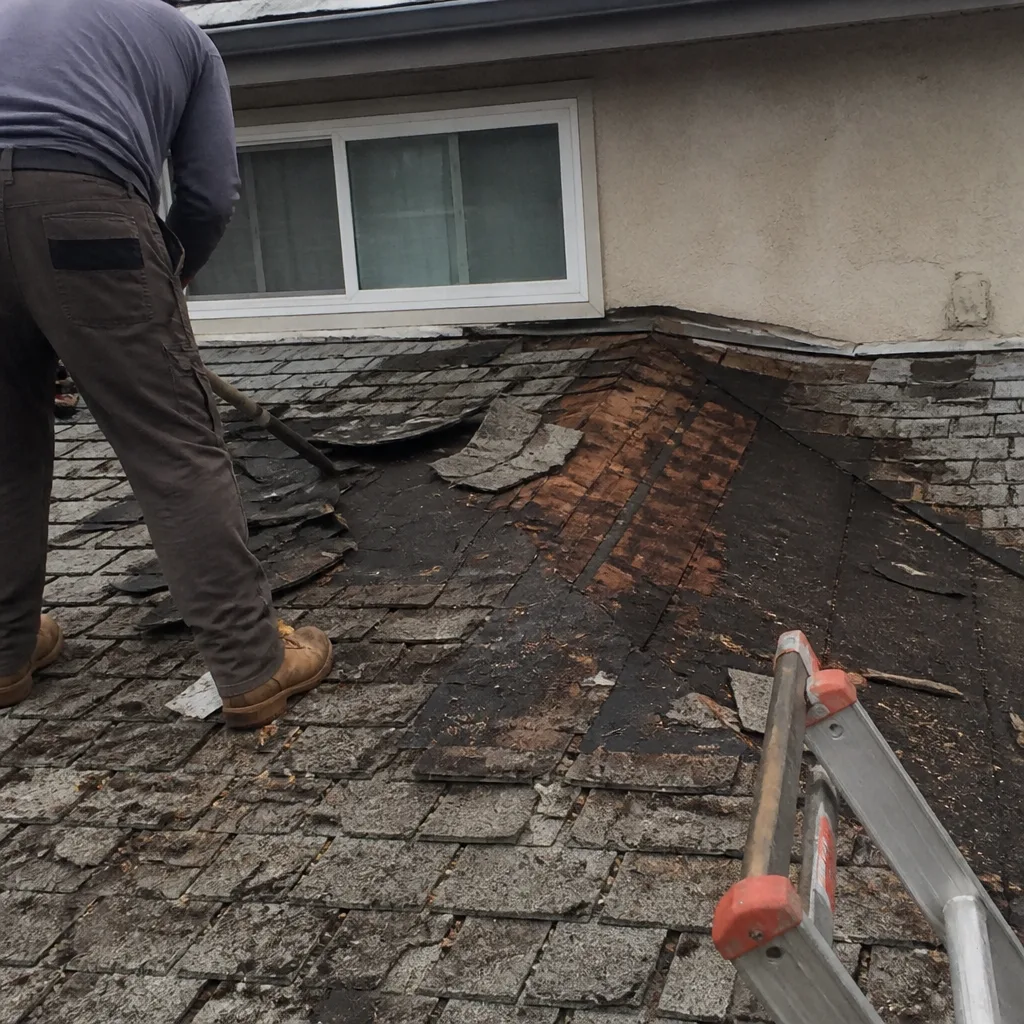 Before
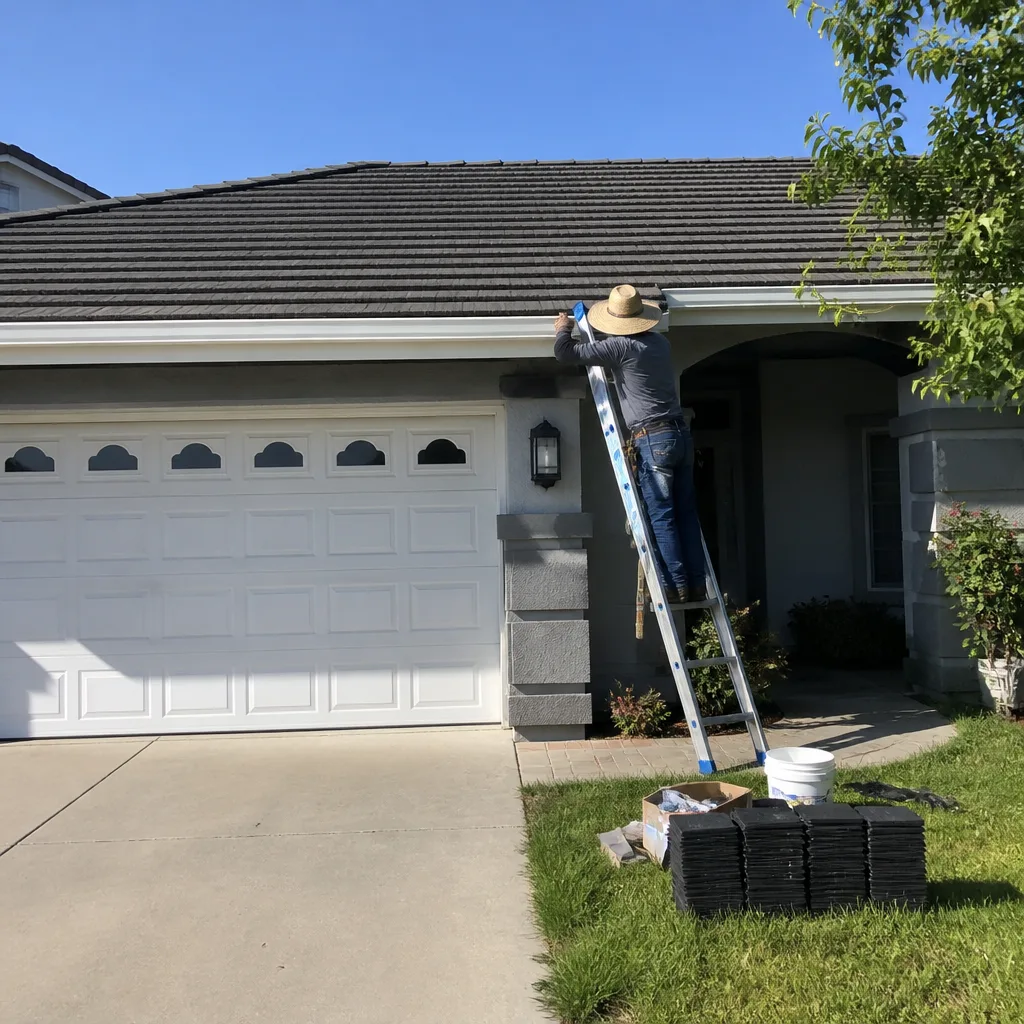
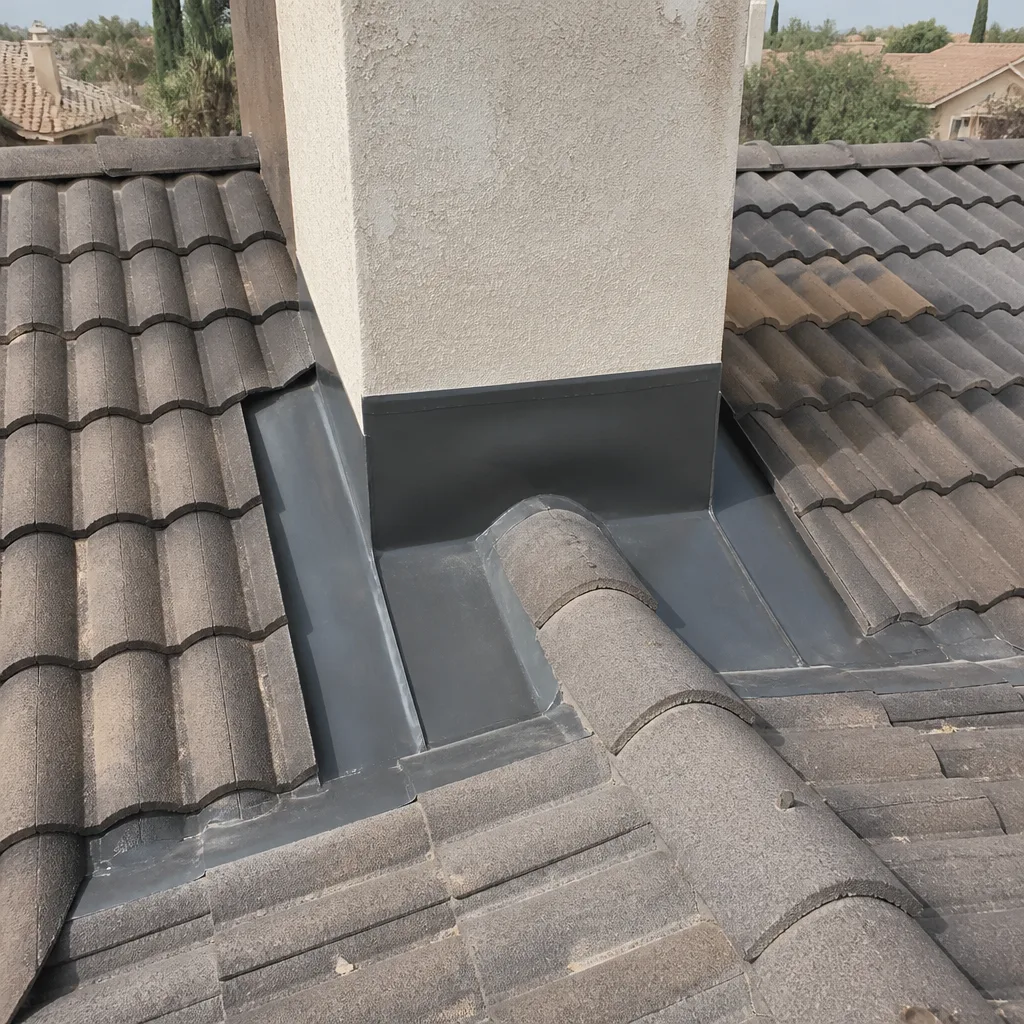 After
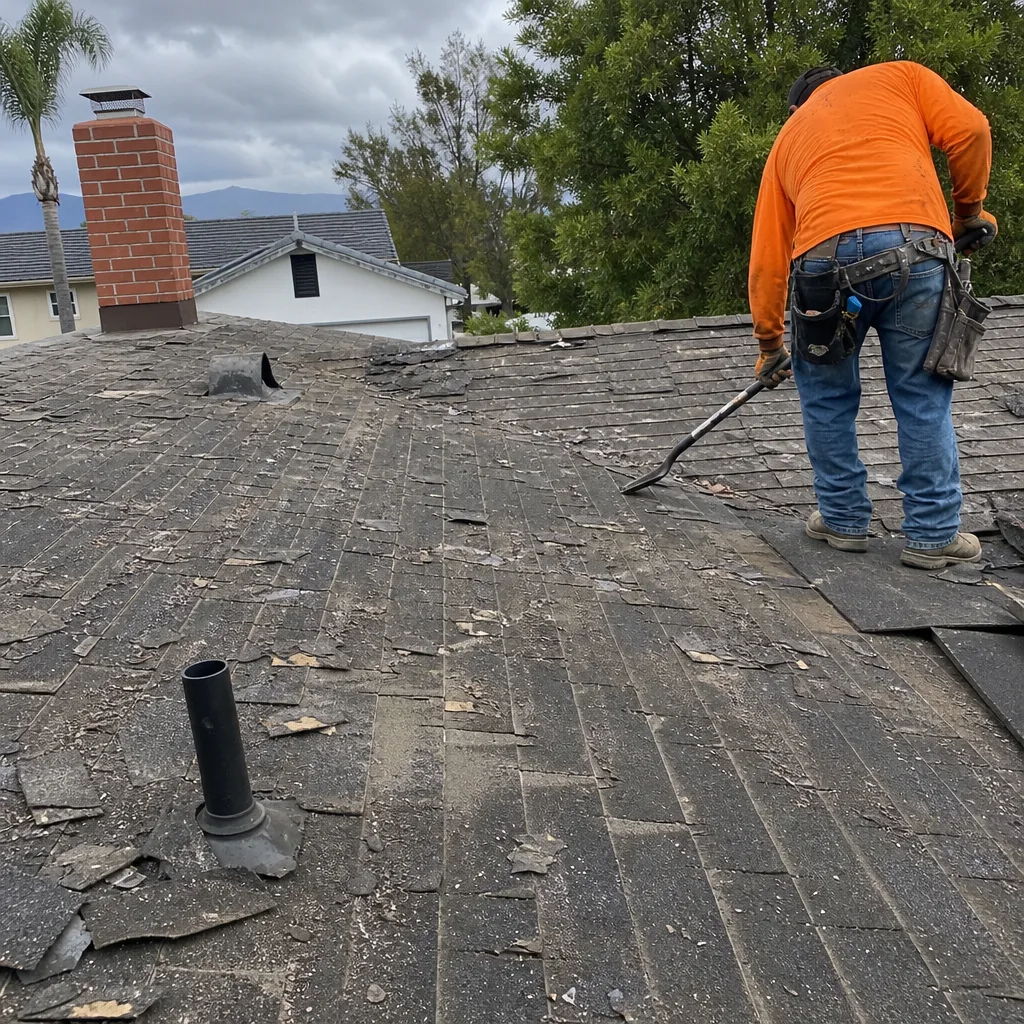 Before
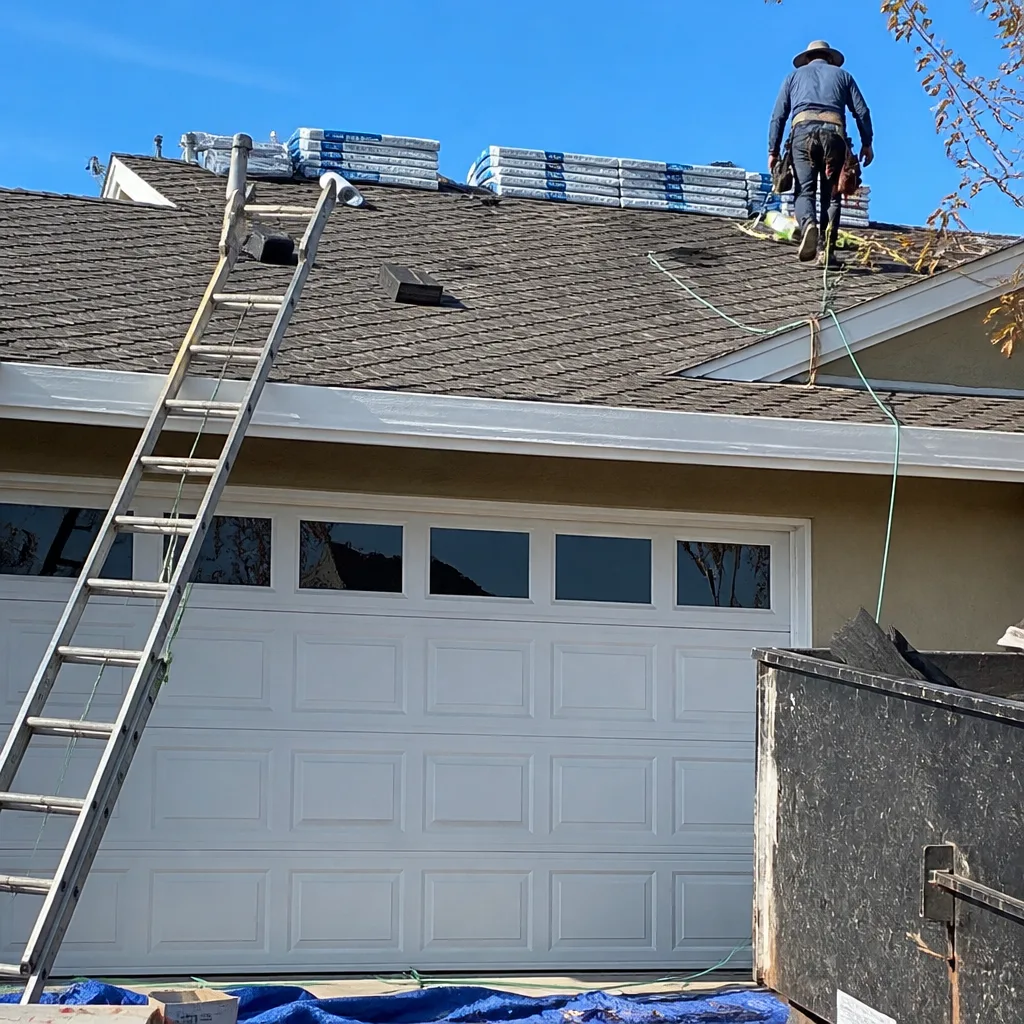 After
 Before
 After